The hidden factors behind dark circles, puffiness, eye bags, and tired-looking eyes—and why fixing the real cause can make a bigger difference than another skincare product.
⭐⭐⭐⭐⭐ Trusted by 1000+ customers • 67-Day Money Back • 100% Guarantee
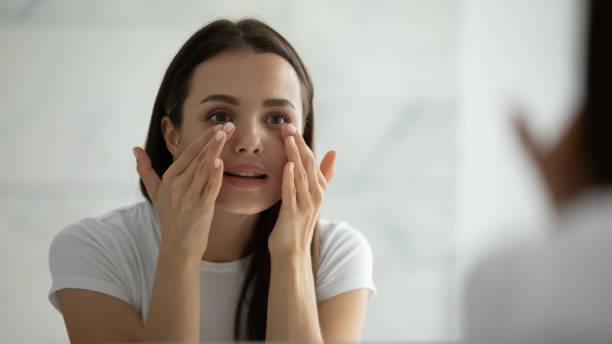
Have you ever looked in the mirror after a full night’s sleep and still thought the following?
“Why do I look so tired?”
It’s frustrating.
You may be using eye creams, drinking more water, and following a skincare routine faithfully. Yet somehow your eyes still appear puffy, shadowed, wrinkled, or older than you feel.
Here’s the surprising part:
Many women focus on treating what they see on the surface while completely missing what’s happening underneath.
That mistake can keep tired-looking eyes hanging around for years.
If your under-eyes seem darker, heavier, less firm, or more aged than they used to be, these hidden reasons may explain why.
And once you understand them, everything starts making more sense.
👀 Why The Eye Area Changes Faster Than The Rest Of Your Face
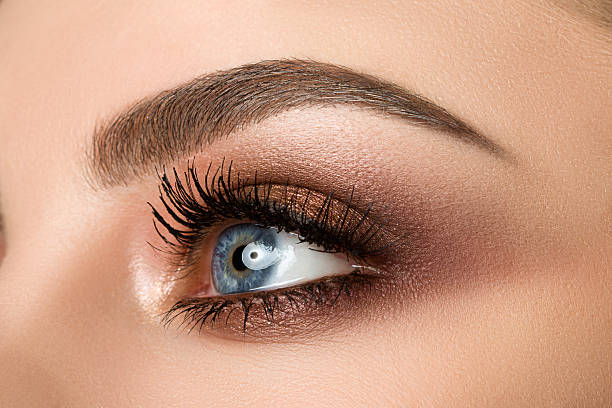
The skin around the eyes is among the thinnest anywhere on the body.
It contains less natural oil and fewer support structures and experiences constant movement every day from blinking, smiling, squinting, and facial expressions.
Because of this, the eye area often becomes the first place where signs of aging begin to show.
The challenge?
Many of the causes aren’t immediately obvious.
Let’s look at what may actually be contributing to tired-looking under-eyes.
🌙 Collagen Loss Beneath The Surface
Most women know collagen is important.
What many don’t realize is how quickly collagen changes can affect the appearance of the under-eye area.
As collagen naturally declines with age, the skin may appear thinner and less supported.
This can make:
- Dark circles look more noticeable
- Fine lines appear deeper
- Eye bags seem more visible
- Under-eyes look hollow or sunken
When support structures beneath the skin weaken, tired-looking eyes often become more noticeable even when you’re well rested.
💧 Dehydration Can Make Eyes Look Older
The eye area tends to show dehydration quickly.
Even mild dehydration can make skin appear less plump and refreshed.
You may notice:
- More visible fine lines
- Crepey texture
- Duller-looking skin
- Increased shadowing beneath the eyes
Many women assume they need stronger skincare products when their skin may simply be lacking adequate hydration support.
😴 Poor Sleep Quality (Not Just Sleep Quantity)
Getting eight hours isn’t always enough.
Interrupted sleep, poor sleep quality, or inconsistent sleep schedules can impact how refreshed the eye area appears.
The result can include:
- Puffiness
- Darker-looking under-eyes
- Increased fluid retention
- Less vibrant-looking skin
This is why some people still look exhausted despite spending plenty of time in bed.
🧂 Fluid Retention Around The Eyes
Have you ever noticed your eyes look puffier in the morning?
Fluid can accumulate around the delicate tissues surrounding the eyes overnight.
Factors that may contribute include:
- High sodium intake
- Poor sleep
- Stress
- Hormonal fluctuations
Because the skin around the eyes is so thin, even small amounts of fluid retention can become very noticeable.
☀️ Years Of Sun Exposure
One of the biggest contributors to visible aging around the eyes is something many women underestimate.
Daily sun exposure.
Over time, UV exposure may contribute to:
- Fine lines
- Crow’s feet
- Uneven skin tone
- Loss of elasticity
The effects build gradually, making it easy to overlook until changes become more noticeable.
📱 Constant Screen Time
Modern lifestyles place enormous demands on the eye area.
Hours spent looking at phones, tablets, and computers often lead to:
- Eye strain
- Squinting
- Increased facial tension
- Tired-looking eyes
Many people never connect their daily screen habits with the way their eyes appear.
Yet it can significantly influence overall eye-area appearance.
⚡ Stress And Cortisol
Stress affects more than mood.
Long-term stress may influence sleep quality, hydration, recovery, and overall skin appearance.
Many women notice that periods of stress coincide with:
- More visible under-eye circles
- Increased puffiness
- Dull-looking skin
- Faster appearance of aging signs
The eye area often reflects internal stress before other areas of the face.
🧬 Natural Aging Changes
Sometimes the simplest explanation is the correct one.
As we age, natural changes occur in:
- Skin thickness
- Elasticity
- Hydration levels
- Structural support beneath the skin
These changes can make eyes appear more tired, even if your health and skincare routine remain unchanged.
Understanding this helps explain why products that worked years ago may not seem as effective today.
✨ The Eye-Aging Factor Most Women Never Think About
Here’s something many women overlook.
The appearance of the eye area isn’t influenced by just one factor.
It’s often a combination of the following:
✔ Collagen changes
✔ Hydration levels
✔ Sleep quality
✔ Skin elasticity
✔ Lifestyle habits
When multiple factors work together, tired-looking eyes can become much more noticeable.
That’s why focusing on only one solution rarely produces the results women hope for.
💎 A Popular Approach Women Are Discovering For Aging Eyes
Many women looking to support the appearance of smoother, brighter, more refreshed-looking eyes are beginning to focus on supporting skin from within as well as from the outside.
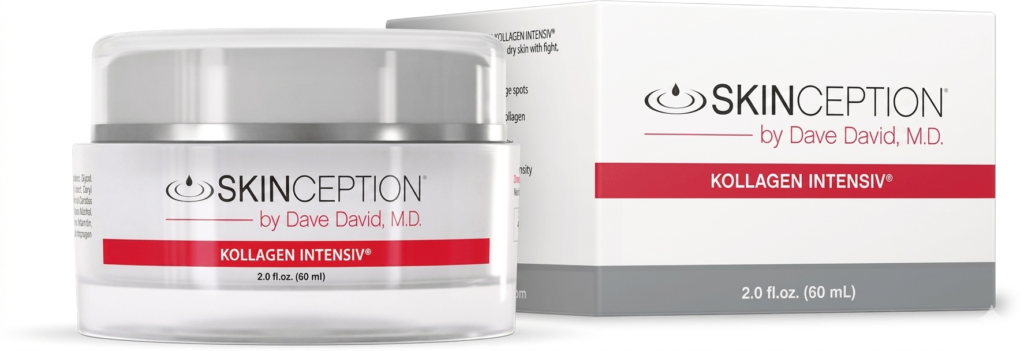
One option gaining attention is Kollagen Intensiv.
Rather than acting like a traditional eye cream, it was designed to support the appearance of healthy, youthful-looking skin through ingredients selected for skin support, hydration, and overall appearance.
Women often explore it when they’re concerned about the following:
- Tired-looking eyes
- Fine lines around the eyes
- Crow’s feet
- Under-eye wrinkles
- Loss of firmness
- Overall eye-area aging
While results vary from person to person, many users appreciate taking a more comprehensive approach instead of relying solely on topical products.
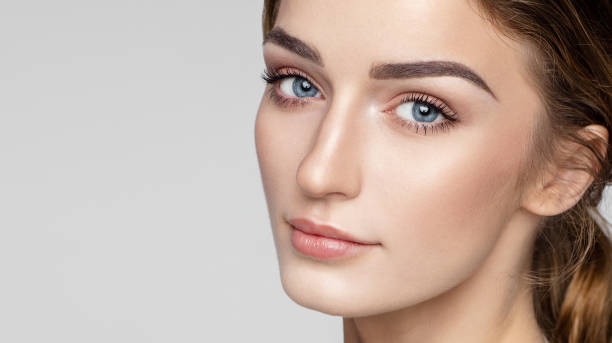
📌 Save These Eye-Aging Takeaways
If your under-eyes look tired, remember the following:
✅ It’s not always lack of sleep
✅ Collagen changes can play a major role
✅ Hydration matters more than most people realize
✅ Stress often shows up around the eyes first
✅ Sun exposure creates cumulative effects
✅ Puffiness and dark circles can have multiple causes
✅ Supporting skin from within may complement topical skincare efforts
Small daily habits can create noticeable differences over time.

🌟 Final Thoughts: Don’t Ignore What Your Eyes Are Trying To Tell You
Your eyes are often the first feature people notice.
They’re also one of the first areas where signs of aging become visible.
If you’ve been wondering why your under-eyes seem tired despite your efforts, the answer may be more complex than simply needing a better eye cream.
By understanding the hidden factors behind dark circles, puffiness, eye bags, crow’s feet, and under-eye wrinkles, you can make more informed choices about how you care for your skin.
Many women are now taking a broader approach that includes hydration, sleep support, healthy lifestyle habits, and products designed to support skin appearance from within.
If you’d like to learn more about how Kollagen Intensiv fits into that approach, now may be the perfect time to explore why so many women are adding it to their anti-aging routines.
Because brighter, fresher-looking eyes often begin with understanding what’s really causing them to look tired in the first place.