Discover the everyday habits, natural skin changes, and overlooked factors that can make the eye area appear older—and what you can do to help maintain a brighter, more refreshed look.
The first place many people notice signs of ageing isn’t the forehead or cheeks—it’s the delicate skin beneath the eyes.
One day you look in the mirror and wonder why your eyes seem more tired, even after a good night’s sleep. Fine lines appear more noticeable. Puffiness seems to linger. Dark circles become harder to hide, even with makeup.
If this sounds familiar, you’re far from alone.
The good news is that many of these changes are a normal part of ageing, and understanding what’s happening beneath the surface can help you make smarter skincare choices. While no cream can stop time, the right daily habits and supportive skincare routine may help your under-eye area look healthier, smoother, and more refreshed.
Let’s explore why under-eyes change with age and what you can do about it.
Why the Under-Eye Area Ages Differently
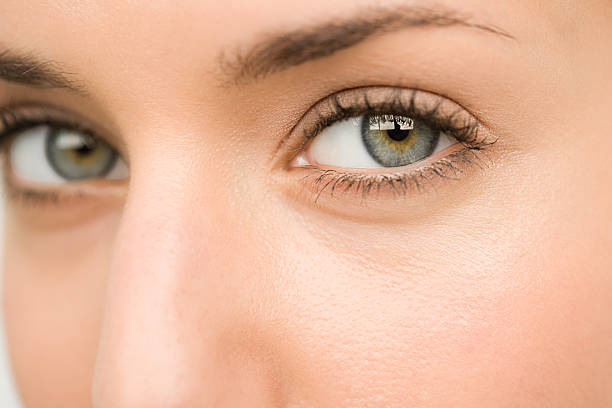
The skin around your eyes is naturally thinner than the rest of your face.
It contains fewer oil glands, experiences constant movement from blinking and facial expressions, and is exposed daily to sunlight, environmental stress, and lifestyle habits. These factors make it one of the first areas where visible ageing tends to appear.
As the years pass, several internal and external changes can influence how youthful—or tired—your eyes look.
1. Natural Collagen Decline
Collagen is the structural protein that helps keep skin firm and resilient.
Beginning in adulthood, collagen production gradually slows. As this process continues, the delicate skin beneath the eyes may become thinner and less supportive, making fine lines and wrinkles easier to notice.
Supporting your skin with gentle skincare, sun protection, and healthy lifestyle habits may help maintain a smoother appearance over time.
2. Reduced Skin Elasticity
Elastin works alongside collagen to help skin bounce back after movement.
As elastin levels naturally decline with age, the under-eye area may not recover as quickly after smiling, squinting, or rubbing the eyes. This can contribute to a looser appearance and make existing lines seem more visible.

3. Moisture Loss
One of the most overlooked changes that comes with ageing is decreased hydration.
Mature skin often produces less natural oil, allowing moisture to escape more easily. Dry under-eye skin can make fine lines appear deeper and create a rougher texture.
Simple habits that help include:
- Applying a gentle moisturizer morning and evening
- Drinking adequate water throughout the day
- Avoiding overly harsh cleansers
- Using products designed for delicate eye skin
Keeping skin well hydrated won’t erase wrinkles, but it can improve how smooth and comfortable the area looks.
4. Lifestyle Habits Add Up
Small daily habits often have a bigger impact than people realise.
Over time, factors such as the following:
- Inconsistent sleep
- Chronic stress
- Smoking
- Excessive alcohol
- Poor nutrition
- Frequent sun exposure
can contribute to skin looking dull, fatigued, or prematurely aged.
While ageing itself can’t be avoided, many lifestyle factors are within your control.
Common Mistakes That Can Make Under-Eyes Look Older
Many people unintentionally make the eye area look older by focusing only on quick fixes.
Common mistakes include:
- Rubbing the eyes too aggressively
- Skipping sunscreen around the eye area
- Using products that are too harsh
- Forgetting daily hydration
- Expecting instant results from skincare
- Ignoring overall wellness habits
Healthy-looking skin usually reflects consistent care rather than a single miracle product.

5. Changes in Fat Distribution
As we age, the supportive fat beneath the eyes may gradually shift.
Some people notice a slightly hollow appearance, while others experience more prominent puffiness. These natural structural changes can affect how shadows appear beneath the eyes, making them seem darker or more tired.
Because everyone’s facial structure is unique, these changes vary from person to person.
6. Slower Skin Renewal
Young skin naturally renews itself more quickly.
With age, this renewal process slows down. Dead skin cells can remain on the surface longer, contributing to a dull-looking complexion and making the eye area appear less vibrant.
Gentle exfoliation—when appropriate—and consistent skincare can help support smoother-looking skin.
A Simple Routine That Can Support Healthier-Looking Under-Eyes
Consistency matters more than perfection.
A simple daily routine may include:
- Gentle cleansing
- Daily sunscreen
- Hydrating eye cream
- Nutritious foods rich in antioxidants
- Quality sleep
- Managing stress
- Avoiding smoking
- Staying hydrated
Small improvements practised consistently often produce better long-term results than constantly switching products.
Why Many People Overlook These Changes
Many people blame only wrinkles.
In reality, the appearance of ageing eyes usually results from several factors working together.
Skin thickness, hydration, collagen levels, lifestyle habits, facial structure, and environmental exposure all influence how refreshed your eyes appear.
Looking at the whole picture often leads to better skincare decisions than chasing a single solution.
7. Environmental Exposure
Your skin remembers years of environmental exposure.
Ultraviolet (UV) rays, pollution, and repeated exposure to dry air can gradually contribute to visible skin ageing.
Daily sunscreen remains one of the simplest habits for helping protect collagen and maintaining healthier-looking skin over time.
Even on cloudy days, UV exposure can still affect delicate skin around the eyes.
Supporting Your Routine with Targeted Skincare
Alongside healthy habits, many people choose to add specialised skincare products formulated for the delicate eye area.
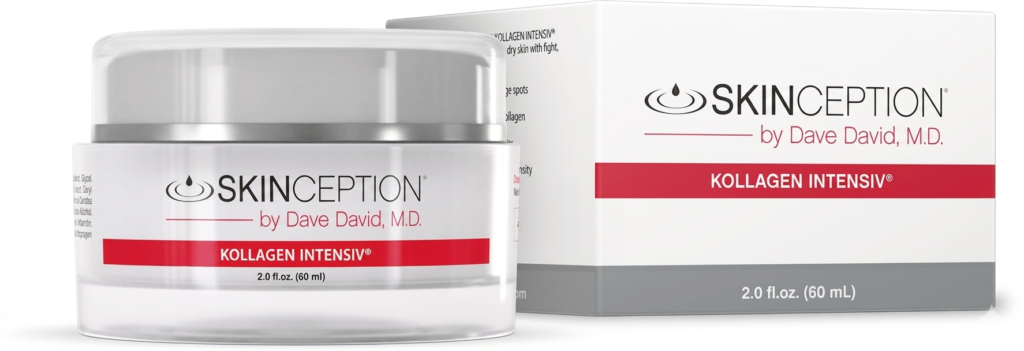
One option that has gained attention is Kollagen Intensiv, which is designed to support smoother, healthier-looking skin through hydrating and skin-conditioning ingredients. While no topical product can permanently stop the natural ageing process, using a well-formulated cream consistently may help improve the appearance of fine lines, dryness, and overall skin texture.
If you’re looking to strengthen your routine, adding a targeted eye-friendly skincare product alongside good lifestyle habits may be worth considering.
8. Daily Facial Expressions
Every smile, blink, laugh, and squint tells your life story.
Over decades, these natural movements create repeated folding of the skin. Combined with lower collagen and elasticity, expression lines may gradually become more noticeable.
Rather than avoiding expressions, the goal is to support skin health so it remains resilient for as long as possible.
Myth vs. Fact

Myth: Only older adults develop under-eye wrinkles.
Fact: Genetics, sun exposure, hydration, and lifestyle can influence under-eye appearance well before middle age.
Myth: Expensive skincare always works better.
Fact: Ingredients, consistency, and sun protection generally matter more than price alone.
Myth: Drinking more water instantly removes dark circles.
Fact: Hydration supports overall skin health, but dark circles often involve genetics, pigmentation, blood vessels, or facial anatomy.
Myth: Ageing around the eyes happens overnight.
Fact: Most visible changes develop gradually over many years.

Frequently Asked Questions
Why do my under-eyes suddenly look older?
Several factors—including collagen decline, reduced hydration, sleep quality, stress, and natural facial changes—can combine to make ageing signs seem more noticeable.
Can skincare completely remove under-eye wrinkles?
No skincare product can permanently eliminate wrinkles, but moisturising ingredients and consistent skincare may improve the appearance of fine lines and support healthier-looking skin.
Does sunscreen really matter around the eyes?
Yes. Daily sun protection helps reduce cumulative UV damage, one of the major contributors to visible skin ageing.
Are lifestyle habits really that important?
Absolutely. Sleep, nutrition, hydration, stress management, and avoiding smoking all contribute to healthier-looking skin.
Is it too late to start caring for my under-eyes?
Not at all. Positive skincare habits can benefit skin at almost any age.
Key Takeaways
- Under-eye skin naturally changes as collagen and elasticity decline.
- Hydration plays a major role in maintaining smoother-looking skin.
- Daily habits have a cumulative effect over time.
- Sun protection remains one of the most valuable preventive steps.
- Consistency usually delivers better results than constantly changing products.
- Targeted skincare can complement healthy lifestyle habits.
Final Thoughts
The appearance of your under-eyes is influenced by much more than age alone. Daily choices, environmental exposure, hydration, and your skin’s natural ageing process all work together to shape how the area looks over time.
The encouraging news is that while ageing is inevitable, many of the factors that affect your skin are manageable. Building a consistent routine, protecting your skin from the sun, staying hydrated, and choosing products formulated for the delicate eye area can all contribute to a fresher, healthier appearance.
If you’d like to explore a skincare option specifically designed to support smoother, healthier-looking skin around the eyes, Kollagen Intensiv may be worth learning more about. Click the affiliate link below to discover how it works, review its ingredients, and decide whether it fits your skincare routine.
Remember, the best skincare isn’t about chasing perfection—it’s about making informed choices that help your skin look and feel its best for years to come.
⭐⭐⭐⭐⭐ Trusted by Thousands of Happy Customers • 67-Day Money-Back Guarantee