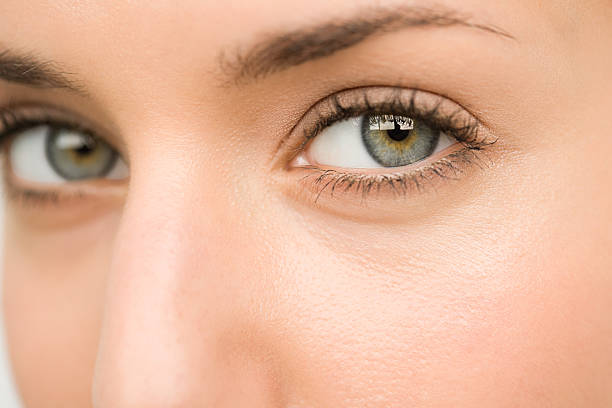
Small daily routines can quietly change how the delicate skin around your eyes looks and feels—discover which habits may be helping or hurting without you even realising it.

The skin around your eyes often tells a story before the rest of your face does. It can appear smoother, brighter, and refreshed—or it may begin to look dry, uneven, crepey, or tired over time.
While many people immediately blame ageing, the truth is that everyday habits play a surprisingly important role in how the eye area looks and feels. Small routines that seem harmless can gradually affect skin texture, hydration, and elasticity without obvious warning signs.
The good news? Many of these habits can be adjusted. Understanding what influences the delicate eye area allows you to make smarter skincare and lifestyle choices that support healthier-looking skin for years to come.
Let’s explore eight habits that can affect eye area texture and what you can do instead.
Why Eye Area Texture Matters
The skin surrounding the eyes is among the thinnest anywhere on the body. It contains fewer oil glands, experiences constant facial movement, and is exposed to environmental stress every day.
Because of this, even subtle changes in hydration, collagen production, or skin barrier health can become noticeable sooner than people expect.
Maintaining smoother-looking skin isn’t about chasing perfection—it’s about protecting one of the most delicate areas of your face.

Habit One: Forgetting Daily Sun Protection
Many people carefully apply sunscreen across their face but unintentionally skip the eye area.
Over time, ultraviolet exposure can contribute to:
- Rough-looking skin
- Uneven texture
- Fine lines
- Reduced firmness
Choosing a gentle sunscreen suitable for sensitive skin and wearing sunglasses outdoors can help reduce unnecessary stress on this delicate area.
Consistency matters far more than occasional heavy application.
Habit Two: Rubbing Your Eyes Too Often
Whether it’s allergies, tiredness, or simply habit, frequent rubbing places repeated mechanical stress on fragile skin.
Over time this may contribute to:
- Temporary puffiness
- Irritation
- Dryness
- A rougher skin appearance
Instead, identify what’s causing the irritation. Lubricating eye drops, allergy management, or simply using a cool compress can often provide relief without unnecessary friction.
Habit Three: Neglecting Hydration
Healthy-looking skin depends on adequate moisture from both the inside and outside.
When skin becomes dehydrated, texture often appears
- Less smooth
- More crepey
- Duller
- Less resilient
Drinking enough water throughout the day supports overall skin function, while moisturising ingredients help reinforce the skin barrier and improve the appearance of dryness around the eyes.
Habit Four: Sleeping Too Little
Quality sleep gives your skin time to recover from daily environmental stress.
Poor sleep may contribute to a tired-looking eye area because the body has less opportunity to perform many of its normal overnight repair processes.
People who regularly sleep too little often notice the following:
- A less refreshed appearance
- Increased dryness
- More noticeable texture changes
- Skin that appears less vibrant
Aim for consistent sleep rather than trying to “catch up” on weekends.

Habit Five: Using Harsh Skincare Products
Strong exfoliants or active ingredients can be excellent for certain parts of the face but may overwhelm the thinner skin around the eyes.
Common culprits include:
- High-strength acids
- Excessive retinol use
- Over-exfoliation
- Fragranced products that cause irritation
Instead, choose products specifically formulated for the eye area or introduce active ingredients gradually if recommended by your skincare professional.
Sometimes less truly is more.
Habit Six: Ignoring Nutrition
Your skin reflects what your body receives every day.
A balanced diet containing vitamins, antioxidants, healthy fats, and adequate protein helps support normal skin structure and appearance.
Foods rich in:
- Vitamin C
- Vitamin E
- Zinc
- Omega-3 fatty acids
- Colorful fruits and vegetables
can all contribute to maintaining healthier-looking skin as part of an overall balanced lifestyle.
While no single food creates dramatic overnight results, long-term eating habits certainly make a difference.

Habit Seven: Constant Screen Time
Hours spent looking at digital screens often reduce how frequently we blink.
Less blinking may contribute to dry-feeling eyes, which can encourage rubbing and discomfort that affects the surrounding skin.
Simple habits can help:
- Follow the 20-20-20 rule.
- Blink intentionally throughout the day.
- Adjust screen brightness.
- Use artificial tears if recommended by an eye care professional.
Small adjustments can make prolonged computer use more comfortable.
Habit Eight: Forgetting Long-Term Collagen Support
Collagen naturally changes with age.
As production gradually declines, skin may appear less firm, less smooth, and more textured.
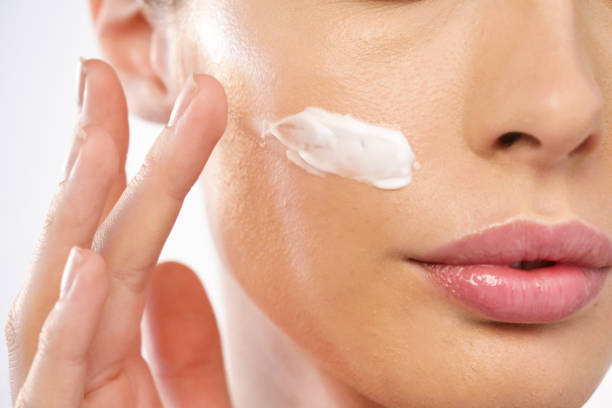
Although no skincare product can stop natural ageing, maintaining a consistent skincare routine that focuses on hydration and collagen-supporting ingredients can help improve the appearance of the eye area.
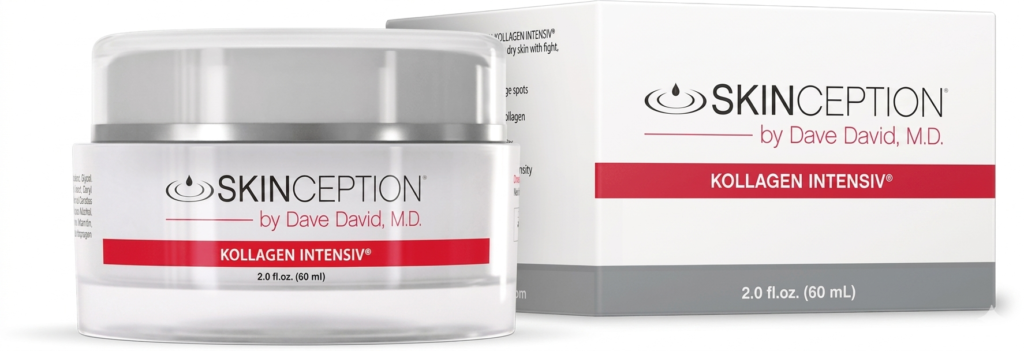
Many people choose products such as Kollagen Intensiv, which combines collagen-supporting ingredients with moisturising compounds designed to support smoother, healthier-looking skin around the eyes.
Rather than expecting overnight changes, think of these products as part of a long-term skincare routine alongside healthy daily habits.
Why Many People Overlook Eye Area Texture
Most skincare routines focus on obvious concerns like wrinkles or dark circles.
Texture often develops gradually, making it easy to ignore until it becomes more noticeable.
Because changes happen slowly, many people assume they’re simply “getting older” when, in reality, several everyday habits may also be contributing.
The encouraging part is that improving daily routines often supports healthier-looking skin over time.
A Small Step That Can Make a Big Difference
If you’re looking to give your eye area extra support, combining healthy habits with a well-formulated skincare product can be a sensible approach.
Many users include Kollagen Intensiv as part of their daily routine because it’s designed to hydrate the delicate eye area while supporting smoother-looking skin with ingredients that complement an overall skincare regimen.
No cream replaces healthy lifestyle choices, but pairing good habits with consistent skincare often delivers the best long-term results.
Myth vs. Fact

Myth: Eye texture changes are caused only by ageing.
Fact: Lifestyle habits, hydration, sun exposure, skincare routines, and environmental factors all influence how the eye area looks over time.
Myth: More skincare products always produce better results.
Fact: Using too many active ingredients can sometimes irritate delicate skin and negatively affect its appearance.
Myth: Eye creams work instantly.
Fact: Consistency is usually far more important than expecting dramatic overnight improvements.
Myth: Sunscreen isn’t necessary around the eyes.
Fact: Daily sun protection is one of the simplest ways to support healthier-looking skin around this delicate area.
Frequently Asked Questions
Can eye-area texture improve?
In many cases, improving skincare habits, protecting against sun exposure, staying hydrated, and maintaining a consistent routine can noticeably improve the appearance of skin texture over time.
Does drinking more water remove wrinkles?
Hydration supports healthy-looking skin, but it doesn’t erase wrinkles. It works best alongside a complete skincare routine.
Is the skin around the eyes different from the rest of the face?
Yes. It is thinner, contains fewer oil glands, and is generally more delicate, making it more susceptible to dryness and texture changes.
Should I use a separate eye product?
Many people benefit from products formulated specifically for the delicate eye area because they are often designed with gentler ingredients and textures.
How long does it take to notice changes?
Everyone’s skin is different. Consistent habits practised over several weeks or months generally produce more noticeable improvements than occasional treatments.

Key Takeaways
- Daily habits have a significant impact on eye area texture.
- Sun protection remains one of the most effective preventive measures.
- Hydration, nutrition, and quality sleep all support healthier-looking skin.
- Gentle skincare is usually better than aggressive treatments around the eyes.
- Consistency often delivers better results than constantly switching products.
- Combining healthy habits with supportive skincare may help maintain smoother-looking skin over time.
Final Thoughts
The condition of the skin around your eyes isn’t determined by one single factor. Instead, it’s shaped by countless small choices you make every day.
Protecting your skin from the sun, staying hydrated, getting enough sleep, using gentle skincare products, and maintaining healthy lifestyle habits can all contribute to a smoother, more refreshed appearance over time.
If you’re interested in giving your routine additional support, Kollagen Intensiv may be worth exploring as part of your daily skincare regimen. Its collagen-supporting and moisturising ingredients are designed to complement healthy habits—not replace them.
If you’d like to learn more about how Kollagen Intensiv works and whether it’s a good fit for your skincare routine, click the affiliate link to explore the product in more detail. The best skincare decisions come from being informed, and investing a few minutes in learning today could help you build healthier habits for tomorrow.
⭐⭐⭐⭐⭐ Trusted by Thousands of Happy Customers • 67-Day Money-Back Guarantee