
Have your eyes ever looked tired even when you have had a decent night’s sleep? Dark circles, puffiness, fine lines, and dull-looking skin around the eyes can make you appear more fatigued or older than you actually feel.
The skin around your eyes is especially delicate, so everyday habits can make a noticeable difference in how this area looks over time. While no single routine can stop the natural ageing process, small changes involving sleep, hydration, skincare, nutrition, and overall lifestyle may help your eye area look fresher and more rested.
Here are eight simple daily habits worth considering if you want to improve the appearance of tired-looking eyes and support healthier-looking, more youthful skin.

1. Prioritise Consistent, Quality Sleep
One of the most obvious contributors to a tired appearance is lack of sleep.
When you regularly get too little sleep, your eyes can appear dull, puffy, or generally more fatigued. The skin around them may also look less refreshed.
Rather than focusing only on catching up after a poor night’s sleep, aim for a consistent sleep routine. Going to bed and waking up at roughly the same times each day can help establish healthier sleep habits.
Good sleep cannot eliminate every cause of dark circles or under-eye ageing, but it is an important foundation for looking and feeling refreshed.
2. Drink Enough Water Throughout the Day
Hydration can influence how your skin looks and feels.
When your body is not getting enough fluids, skin can appear dry and less plump. Fine lines may also become more noticeable when the skin lacks moisture.
Instead of drinking a large amount of water all at once, make hydration a regular part of your day. Keep water available and drink regularly, particularly during hot weather or after physical activity.
Remember that hydration is only one part of healthy-looking skin. Your skin also benefits from a balanced diet and an appropriate skincare routine.
3. Be Gentle When Removing Makeup
The eye area deserves extra care because the skin is thinner and more delicate than many other areas of the face.
Rubbing aggressively to remove mascara, eyeliner, or eyeshadow can create unnecessary friction. Over time, repeatedly pulling or stretching delicate skin is not a habit you want in your beauty routine.
Use a gentle approach when cleansing and removing makeup. Allow makeup remover or cleanser to loosen products rather than scrubbing forcefully.
A little extra patience can make your evening skincare routine much kinder to the sensitive skin around your eyes.

4. Protect Your Skin From Everyday Sun Exposure
Sun exposure is one of the major environmental factors associated with visible skin ageing.
UV exposure can contribute to changes in the skin’s structure, including the breakdown of collagen and other components that help skin maintain its firmness and elasticity. Over time, this can contribute to fine lines, wrinkles, uneven pigmentation, and an older-looking appearance.
Protecting your face and eye area from excessive sun exposure is therefore an important part of a long-term beauty routine.
Consider using broad-spectrum sunscreen as appropriate, wearing sunglasses, and seeking shade when UV levels are high.

5. Pay Attention to Your Diet
Your skin needs a range of nutrients to support its normal structure and function.
A varied diet containing fruits, vegetables, protein sources, healthy fats, and other nutrient-rich foods can provide the building blocks your body uses for maintaining healthy tissues.
Foods containing vitamin C, for example, are involved in normal collagen formation. Protein provides amino acids that the body uses for many structural processes.
No particular food can magically remove dark circles or wrinkles, but consistently eating a balanced diet is a more useful long-term strategy than relying on a single “miracle” ingredient.
6. Avoid Constantly Touching or Rubbing Your Eyes
It’s easy to rub your eyes without even thinking about it, particularly when you’re tired, staring at a screen, or dealing with irritation.
Frequent rubbing can be rough on the delicate skin surrounding the eyes. If your eyes regularly feel irritated or uncomfortable, addressing the underlying reason is more useful than repeatedly rubbing them.
Being conscious of this simple habit can help reduce unnecessary friction and become part of a gentler approach to eye-area skincare.
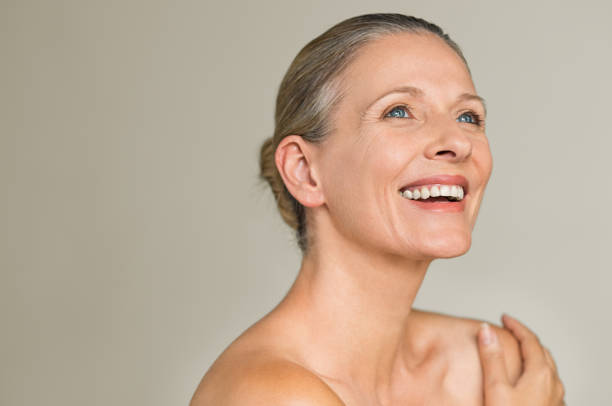
7. Keep Your Skin Properly Moisturised
As skin ages, its ability to retain moisture can change. Lower hydration can make the surface of the skin appear less smooth and can make fine lines more noticeable.
A suitable moisturiser can help support the skin barrier and improve the appearance of dry or dehydrated skin.
Look for skincare products that are appropriate for your skin type and use them consistently. The goal isn’t to overload your routine with dozens of products. A simple routine that you can maintain every day is often easier to stick with.

8. Consider Supporting Collagen as Part of Your Beauty Routine
Collagen naturally becomes less abundant as we age. Because collagen contributes to the structure and strength of skin, age-related changes in collagen can be associated with reduced firmness, elasticity, and the development of visible lines and wrinkles.
This is one reason collagen has become such a popular subject in modern beauty routines.
Alongside sensible skincare, nutrition, sleep, hydration, and sun protection, some people choose to incorporate a collagen supplement such as Kollagen Intensiv into their daily routine.
Kollagen Intensiv can be considered as one component of an overall approach to supporting the appearance of healthy, youthful-looking skin. It should not be viewed as a replacement for a balanced diet, good skincare habits, sun protection, or adequate sleep.
The important point is consistency and realistic expectations. Skin ageing is a natural process, and individual results from beauty and nutritional products can vary.

Why Your Eye Area Can Look Older Than You Feel
The appearance of the eye area is influenced by more than just how much sleep you had last night.
Genetics, age, sun exposure, hydration, skin structure, lifestyle habits, and natural changes in collagen and elasticity can all play a role. Dark circles can also have different causes, including pigmentation and the way underlying blood vessels or facial structure show through the skin.
Puffiness may be influenced by fluid retention, allergies, sleep patterns, and other everyday factors.
That is why there is rarely one solution that works for everyone. Instead, looking at your daily habits as a whole can be a more practical approach.
Building a More Rested-Looking Eye Routine
If your goal is to make tired-looking eyes appear fresher, focus on the basics first:
- Get consistent, quality sleep.
- Stay adequately hydrated.
- Protect your skin from excessive UV exposure.
- Eat a varied, nutrient-rich diet.
- Moisturise regularly.
- Treat the delicate eye area gently.
- Avoid unnecessary rubbing and pulling.
- Consider collagen as part of a broader beauty routine.
None of these habits promises overnight results. However, together they can create a more supportive environment for maintaining healthy-looking skin as you get older.
Final Thoughts
Tired-looking eyes are not always a sign that you need another expensive skincare product. Sometimes the most useful changes are the everyday habits that are easiest to overlook.
Sleep, hydration, nutrition, sun protection, gentle skincare, and attention to collagen and skin elasticity can all have a place in a sensible beauty routine.
If dark circles, puffiness, fine lines, or loss of firmness are concerns, taking a consistent, whole-routine approach makes more sense than searching for a single quick fix. Your eye area naturally changes with age, but thoughtful daily habits may help you maintain a fresher, healthier-looking appearance for longer.
Clinically Proven: 354% Wrinkle Reduction ⭐⭐⭐⭐⭐
