
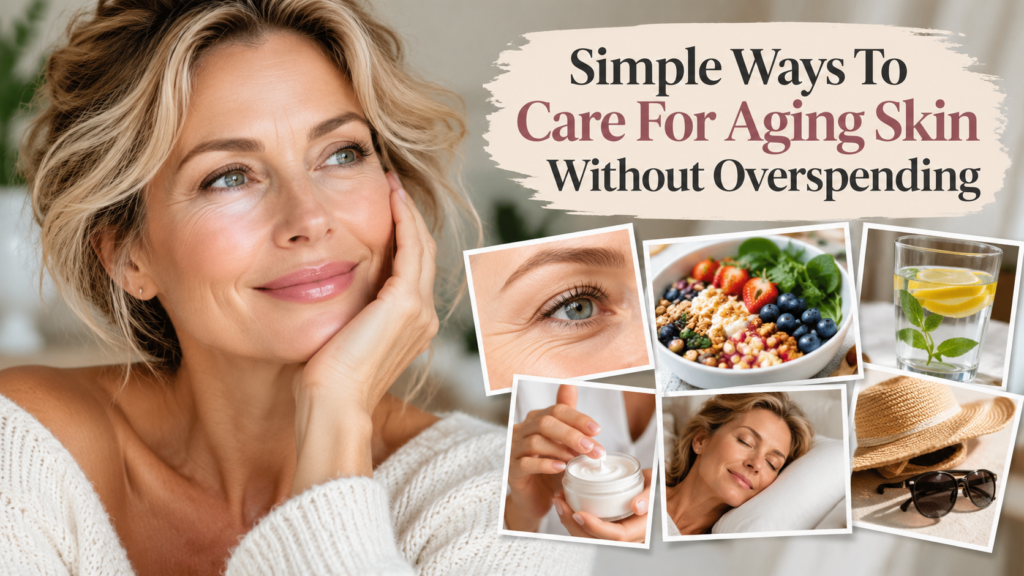
Have you ever looked in the mirror and wondered why your skin suddenly seems more tired, even when you feel perfectly fine? Perhaps your eyes look puffy in the morning, dark circles seem more noticeable, or fine lines appear more pronounced than they did a few years ago. The good news is that caring for ageing skin does not have to involve expensive creams, complicated routines, or costly beauty treatments.
As skin changes with age, it gradually loses some of its natural firmness, elasticity, and moisture. However, small, affordable changes to your daily habits can help your skin look healthier, feel more comfortable, and maintain a fresher appearance.
If you want to care for mature skin without stretching your budget, here are eight practical ways to get started.
1. Keep Your Skincare Routine Simple
It is tempting to believe that younger-looking skin requires a bathroom cabinet full of expensive products. In reality, a consistent, straightforward skincare routine can be a more sensible place to begin.
A gentle cleanser helps remove dirt, excess oil, and makeup without unnecessarily irritating your skin. Follow with a moisturiser suited to your skin type to help maintain hydration and support the skin’s protective barrier.
In the morning, apply a broad-spectrum sunscreen with SPF 30 or higher. Sun exposure contributes to premature skin ageing, including fine lines, uneven pigmentation, and a loss of elasticity.
You do not need to purchase every new skincare product that promises dramatic results. Start with the basics and introduce additional products only when they serve a clear purpose.

2. Give Your Skin More Consistent Hydration
Does your skin sometimes look dull, creased, or unusually tired? Dehydration may be contributing to its appearance.
When the skin lacks moisture, fine lines can become more noticeable, and the complexion may appear less smooth. This does not necessarily mean your skin has aged overnight. Sometimes, improving its moisture levels can make a visible difference in how it looks and feels.
An affordable moisturiser containing ingredients such as glycerin or hyaluronic acid can help attract and retain water in the skin.
For best results, apply moisturiser after cleansing while your skin is still slightly damp. If you experience dryness around your eyes, choose a gentle moisturiser suitable for that delicate area and avoid getting products into your eyes.
Drinking enough water throughout the day also supports general health, although drinking extra water alone will not eliminate wrinkles or dark circles.
3. Take Better Care of Tired-Looking Eyes
Dark circles, under-eye puffiness, and fine lines can make the face appear tired, even after a reasonable night’s sleep.
Several factors can contribute to these concerns, including genetics, allergies, fluid retention, sun exposure, and the natural thinning of skin around the eyes. Understanding the possible cause helps you choose an appropriate approach.
Try these simple, low-cost habits:
- Apply a clean, cool compress to closed eyes for several minutes to help temporarily reduce puffiness.
- Aim for a consistent sleep schedule and enough rest.
- Avoid rubbing your eyes, particularly if they are irritated or itchy.
- Wear sunglasses outdoors to help protect the delicate skin around your eyes from UV exposure.
- Consider whether allergies or nasal congestion might be contributing to persistent dark circles.
Remember that dark circles are not always caused by poor sleep. They can also result from pigmentation or shadows created by changes in facial structure. Affordable care can improve some contributing factors, but it may not remove every concern completely.

4. Protect Your Skin From Everyday Sun Exposure
One of the most effective budget-friendly ways to care for ageing skin is to protect it from the sun.
Ultraviolet radiation damages collagen and elastin, two important components that help skin maintain its structure and flexibility. Over time, repeated exposure can contribute to wrinkles, age spots, uneven skin tone, and a rougher texture.
Daily sunscreen is often a better long-term investment than purchasing multiple products intended to address sun-related skin changes after they appear.
Choose a broad-spectrum SPF 30 or higher sunscreen and apply it as directed. Reapply when necessary, particularly after swimming, sweating, or extended outdoor activity.
You can also use a wide-brimmed hat, seek shade, and wear protective clothing. These measures can reduce sun exposure without adding much to your beauty budget.
5. Eat Foods That Support Healthy Skin
Healthy-looking skin benefits from a balanced diet, and nutritious meals do not need to be expensive.
Protein provides amino acids that the body uses to build and maintain collagen. Vitamin C is also essential for normal collagen production, while other vitamins, minerals, and healthy fats contribute to overall skin health.
Affordable options include eggs, beans, lentils, canned fish, oats, seasonal vegetables, citrus fruits, and frozen berries.
For example, a meal containing eggs or beans, vegetables, and wholegrain foods can provide several useful nutrients without relying on premium health products.
No individual food will reverse ageing or erase wrinkles. Instead, focus on eating a varied diet consistently. Over time, this supports the body’s normal functions and provides a stronger foundation for your skincare routine.

6. Improve Your Sleep and Daily Habits
Your daily habits can influence how refreshed your face looks.
Poor sleep may make under-eye puffiness and dark circles more noticeable, while smoking and excessive sun exposure can contribute to premature skin ageing. Chronic stress may also affect sleep quality and encourage habits that make consistent skincare more difficult.
Try to establish a regular bedtime, create a relaxing evening routine, and limit activities that interfere with restful sleep.
Gentle physical activity, such as walking, can support general health and wellbeing. If morning puffiness is a recurring problem, you could also try sleeping with your head slightly elevated, provided it is comfortable for you.
These habits are inexpensive, but their benefits extend beyond appearance. They can support your overall wellbeing while helping you maintain a more consistent approach to skin care.
7. Be Selective About Anti-Ageing Products
The beauty industry offers countless products claiming to smooth wrinkles, restore firmness, and transform mature skin. However, a higher price does not automatically mean a better result.
Before purchasing a product, identify the concern you want to address. For example, a moisturiser may help with dryness, while a carefully introduced retinol product may improve the appearance of some fine lines over time.
If you choose to use retinol, begin cautiously because it can cause irritation, especially on sensitive skin. Avoid using retinoids during pregnancy unless your healthcare professional specifically advises otherwise.
Read ingredient labels, check whether products suit your skin type, and introduce new products gradually. Using too many active ingredients together can irritate the skin and potentially make redness or dryness more noticeable.
A smaller collection of suitable products is often easier to manage and more affordable than constantly changing your routine.

8. Consider Kollagen Intensiv as Part of Your Beauty Routine
Skincare products applied to the surface of the skin are only one part of a broader beauty routine. Some people also explore supplements or other nutritional products as they look for ways to support their skin as they age.
Kollagen Intensiv is a beauty product marketed towards people concerned about visible signs of ageing. It may appeal to those who want to complement their existing skincare habits with another option focused on mature-looking skin.
Collagen is an important structural protein that helps skin maintain its firmness and elasticity. As we age, natural collagen production declines, contributing to changes in skin texture and the development of wrinkles.
However, it is important to distinguish between the biological role of collagen and the specific results that an individual product can deliver. Benefits depend on the product’s actual ingredients, available evidence, and how it is used. No beauty product can guarantee younger-looking skin, eliminate dark circles, or restore lost collagen completely.
If you are considering Kollagen Intensiv, review its current ingredient list, directions, and relevant safety information before deciding whether it fits your needs. Check any potential interactions with medicines or existing health conditions with an appropriate healthcare professional.
Most importantly, treat it as a possible addition to a balanced beauty routine rather than a replacement for sunscreen, moisturising, nutritious food, and healthy daily habits.
A More Affordable Approach to Ageing Skin
Caring for ageing skin does not have to mean spending more money every month. Often, the most useful changes are the simplest: protecting your skin from the sun, maintaining hydration, getting enough sleep, eating nutritious foods, and choosing skincare products carefully.
If tired-looking eyes, dark circles, puffiness, and fine lines are your main concerns, remember that several factors can influence their appearance. Focus on the habits you can realistically maintain rather than expecting one product to solve everything.
With a little consistency and a thoughtful approach to spending, you can build a practical beauty routine that supports healthy-looking skin at every age—without putting unnecessary pressure on your budget.
Want more ways to care for your eyes? Subscribe for simple, practical tips
and helpful advice.