Small Everyday Habits Could Be Making Delicate Eye-Area Skin Look More Tired, Dry, or Aged Than It Needs To.

The skin around your eyes can reveal more about your daily habits than you might realize.
You may carefully apply eye cream every morning, remove your makeup every night, and invest in a thoughtful skincare routine—yet still notice dryness, fine lines, puffiness, or a tired-looking appearance around your eyes.
So what could be going wrong?
Sometimes, the problem isn’t what you aren’t doing. It’s what you’re doing without realizing it.
The eye area is thinner and more delicate than many other areas of facial skin. That means habits that seem harmless elsewhere—rubbing, pulling, applying strong products, or skipping protection—can be especially noticeable around the eyes over time.
If you want to maintain smoother, fresher, healthier-looking skin, these 7 things to avoid around the eye area are worth knowing.

Why the Skin Around Your Eyes Deserves Extra Attention
The eye area has unique characteristics that make it more vulnerable to visible changes.
Because the skin is relatively thin, changes in hydration, texture, elasticity, and underlying structures may become noticeable sooner. Repeated facial expressions, sun exposure, environmental stressors, and natural collagen changes associated with aging can also influence its appearance.
That’s why a routine that works perfectly well for your cheeks or forehead may not always be appropriate near your eyes.
The goal isn’t to treat the area aggressively.
Instead, think gentle care, consistent protection, and supportive skincare.
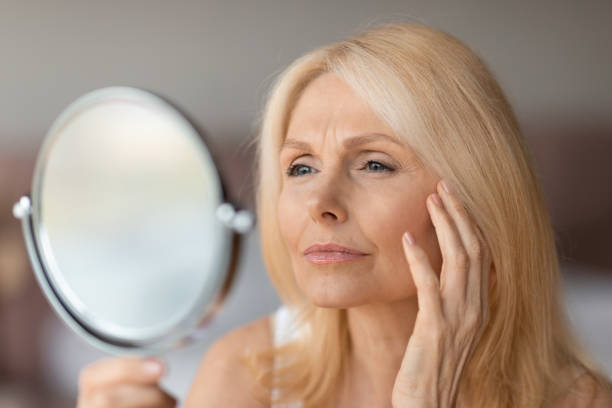
1. Avoid Rubbing Your Eyes Too Often
It feels almost automatic.
Your eyes itch, you’re tired, or you’ve spent hours looking at a screen, and suddenly you’re rubbing them without thinking.
Occasional gentle touching is unlikely to be a major concern. However, repeated vigorous rubbing can tug and stretch delicate skin.
It may also temporarily make the area look red, irritated, or puffy.
Try this instead
If your eyes feel tired, resist aggressive rubbing.
Instead:
- Gently pat the surrounding area rather than dragging the skin.
- Use a cool, clean compress when appropriate.
- Remove irritating makeup carefully.
- Take regular screen breaks if long periods of screen use leave your eyes feeling fatigued.
A simple rule is helpful: treat the eye area as though the skin were more delicate than the rest of your face—because it is.
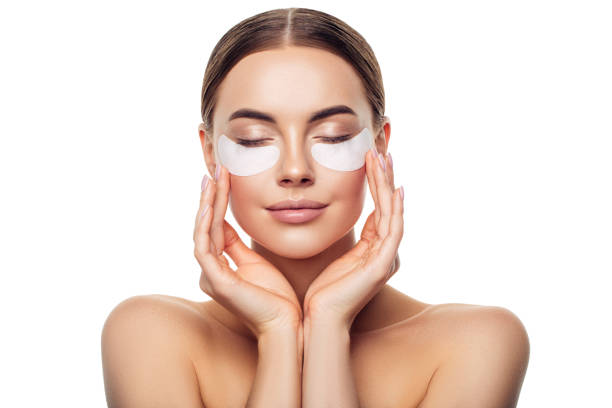
2. Avoid Pulling and Tugging When Removing Makeup
Waterproof mascara and long-wear eyeliner can be stubborn.
The temptation is to scrub until everything disappears.
Unfortunately, aggressive makeup removal creates unnecessary friction around an already delicate area.
Instead, use an eye-appropriate makeup remover and give it time to loosen the product before gently wiping it away.
Hold a saturated cotton pad over closed eyes briefly, then wipe with light movements rather than repeatedly pulling back and forth.
This small adjustment can make your nighttime routine much gentler.

3. Avoid Using Strong Facial Products Too Close to the Eyes
More powerful skincare does not automatically mean better results.
Exfoliating acids, retinoids, fragranced products, and other concentrated formulas can be useful when used appropriately, but not every facial product is designed for the delicate eye area.
Applying products too close to the eyes may lead to dryness or irritation in some people.
Always check the product instructions before applying active ingredients near your eyes.
Watch for warning signs
Your routine may need adjusting if you notice the following:
- Persistent stinging
- Unusual redness
- Flaking or excessive dryness
- Increased sensitivity
- Watery or irritated eyes after application
When introducing a new skincare product, start gradually and follow its directions carefully.
Sometimes, using less and being consistent is more effective than layering numerous aggressive products.
4. Avoid Skipping Daily Sun Protection
When people think about visible skin aging, they often focus on moisturizers and serums.
Yet sun protection deserves just as much attention.
Ultraviolet exposure contributes to visible signs of premature skin aging, including changes in texture, pigmentation, and elasticity. Because the eye area is delicate, protecting it consistently can be an important part of maintaining a smoother-looking appearance.
Consider combining:
- Broad-spectrum sunscreen appropriate for your skin
- Sunglasses with UV protection
- A wide-brimmed hat during extended outdoor exposure
- Shade when sunlight is especially intense
Sunglasses offer another subtle benefit: they can reduce squinting in bright conditions.
Since repeated facial movements contribute to the appearance of expression lines over time, that extra protection can be surprisingly useful.
5. Avoid Letting the Eye Area Become Chronically Dry
Dryness can make fine lines and uneven texture appear more noticeable.
This doesn’t necessarily mean those lines suddenly became deeper. Dehydrated skin simply reflects light differently and may look less smooth or plump.
That is why hydration matters.
Look for gentle skincare ingredients commonly used to support moisture, such as humectants, emollients, and barrier-supporting ingredients.
However, topical hydration is only one piece of the puzzle.
Sleep patterns, environmental conditions, indoor heating or air conditioning, sun exposure, and your overall skincare routine can all affect how the eye area looks.
Where collagen-supporting skincare fits in
Natural collagen levels and skin structure change with age, which can contribute to visible changes in firmness and texture.
This is one reason some people choose skincare designed to support a smoother, more youthful-looking appearance.
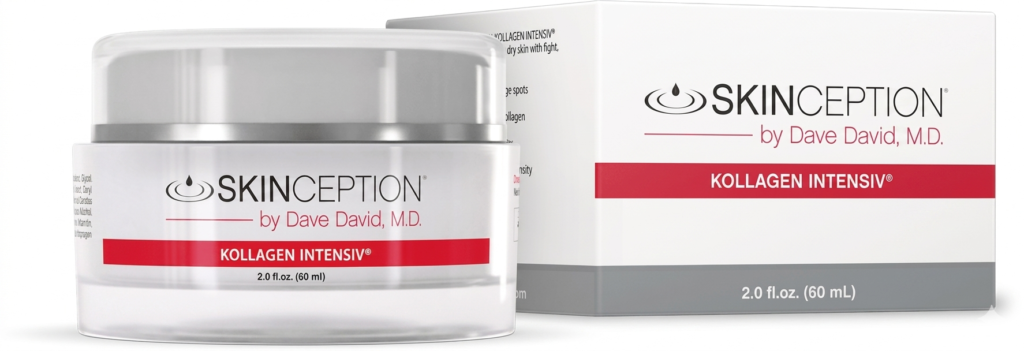
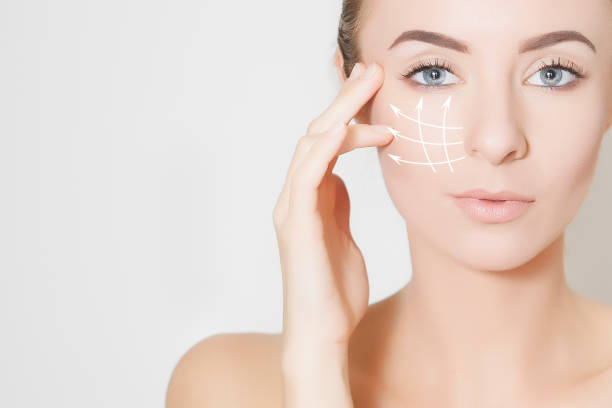
Kollagen Intensiv is one option that may fit into an anti-aging skincare routine for people who want to support healthier-looking, hydrated skin. Rather than thinking of any cream as an overnight transformation, it is more realistic to view skincare as part of a consistent routine that combines hydration, sun protection, gentle treatment, and healthy lifestyle habits.
Consistency matters far more than chasing instant results.
6. Avoid Expecting One Product to Fix Every Eye-Area Concern
This is one of the most overlooked skincare mistakes.
Dark circles, puffiness, dryness, fine lines, and loss of firmness can look similar at first glance—but they don’t necessarily have the same underlying causes.
For example, the appearance of dark circles may be influenced by pigmentation, genetics, shadows, skin thinness, sleep, or facial anatomy.
Puffiness can have completely different contributing factors.
Fine lines may become more noticeable because of dryness, repeated facial movement, sun exposure, and age-related changes in skin structure.
That means one product cannot realistically address every possible cause.
A better strategy is to build supportive habits around your skincare.
If you’re curious about how a collagen-supporting moisturizer such as Kollagen Intensiv may fit into that kind of routine, you can learn more about its ingredients, intended benefits, and how it is designed to support smoother, healthier-looking skin before deciding whether it suits you.
7. Avoid Ignoring Your Everyday Habits
Your skincare routine doesn’t stop at the bathroom mirror.
What happens throughout the rest of your day matters too.
Several lifestyle factors can influence how refreshed or tired the eye area appears, including:
- Sleep quality
- Sun exposure
- Hydration
- Smoking
- Alcohol consumption
- Stress
- Diet
- Repeated squinting
- How gently you handle your skin
You don’t need a perfect lifestyle to have healthy-looking skin.
Instead, focus on small improvements you can maintain.
Getting more consistent sleep, protecting your face from excessive sun exposure, removing makeup gently, and maintaining a simple skincare routine can add up over time.
The surprising lesson?
Sometimes the best thing you can do for your eye area is stop doing the little things that work against it.
Part 2: Smarter Eye-Area Care for Healthier-Looking Skin
Why So Many People Overlook These Eye-Area Mistakes
Most beauty routines focus heavily on what to add.
Add another serum.
Buy another eye cream.
Try another trending ingredient.
But fewer people ask an equally important question:
What should I stop doing?
If you repeatedly rub your eyes, tug at makeup, skip sunscreen, overuse strong ingredients, and allow dryness to persist, adding another expensive product may not solve the bigger issue.
Protecting your skin from unnecessary stress can be just as important as choosing what you put on it.
That shift in thinking can simplify your routine considerably.
Myth vs Fact: Common Eye-Area Skincare Beliefs
Myth: More eye cream means better results
Fact: Using more product than recommended does not necessarily improve results.
A small amount applied gently is often enough. Excess product may migrate into the eyes or simply go to waste.
Myth: Dark circles always mean you need more sleep
Fact: Sleep can influence how tired you look, but dark circles can also be associated with genetics, pigmentation, facial structure, thin skin, and other factors.
This is why skincare alone may not completely change every type of under-eye darkness.
Myth: Fine lines mean your skincare has failed
Fact: Fine lines are a normal part of aging and facial movement.
Good skincare may help support hydration and improve the appearance of texture, but realistic expectations are essential.

Myth: Expensive products automatically work better
Fact: Price alone does not determine whether a product is suitable for your skin.
Ingredients, formulation, consistency of use, sun protection, and your individual skin needs matter more than an impressive price tag.
Practical Eye-Area Tips You Can Start Today
You don’t need to completely rebuild your beauty routine.
Start with a few simple changes:
- Remove eye makeup slowly and gently.
- Avoid unnecessary rubbing or pulling.
- Use products according to their instructions.
- Keep potentially irritating actives away from sensitive areas unless specifically designed for that use.
- Apply daily sun protection.
- Wear UV-protective sunglasses outdoors.
- Keep delicate skin comfortably moisturized.
- Give skincare enough time to work before constantly switching products.
Consider saving this list so you can compare it with your current routine later.
You may discover that one seemingly insignificant habit is something you’ve been doing every day.
Frequently Asked Questions
What should you avoid putting around your eyes?
Avoid using products near the eyes unless their directions indicate they are suitable for that area. Strong exfoliants, fragranced formulas, and concentrated active ingredients may cause irritation in some people when applied too close to the eyes.
Can rubbing your eyes cause wrinkles?
Repeated aggressive rubbing can create unnecessary friction and tugging on delicate skin. While wrinkles develop for many reasons—including age, genetics, sun exposure, and facial movement—being gentler with the eye area is a sensible preventative habit.
How can I make my eye area look more refreshed?
Focus on consistent hydration, gentle skincare, adequate sleep, sun protection, and avoiding excessive rubbing. Cool compresses may also temporarily help the appearance of mild puffiness for some people.
Should moisturizer be used around the eyes?
Many gentle moisturizers can be used around the orbital area, depending on their formulation and instructions. Products specifically formulated for delicate facial skin may help reduce dryness and make fine lines caused or emphasized by dehydration appear less noticeable.

Can collagen skincare help the appearance of the eye area?
Skincare designed to support hydration and smoother-looking skin may improve the appearance of texture and dryness. Collagen-supporting skincare should be viewed as one part of a broader routine rather than a guaranteed solution for every eye-area concern.
How long should I give a skincare routine before judging results?
Hydration can sometimes improve the appearance of skin relatively quickly, while other visible changes generally require consistent use over time. Follow product directions and evaluate your routine gradually rather than changing products every few days.
Key Takeaways
When it comes to the 7 things to avoid around the eye area, prevention and consistency matter.
Remember:
- Don’t repeatedly rub or tug delicate eye-area skin.
- Remove makeup gently rather than scrubbing.
- Be cautious with strong active ingredients near the eyes.
- Make daily sun protection a priority.
- Keep dry skin comfortably moisturized.
- Don’t expect one product to address every concern.
- Pay attention to lifestyle habits that influence how refreshed your skin looks.
Most importantly, avoid assuming that a complicated routine is automatically a better one.
Gentle habits practiced consistently often make more sense than constantly chasing the newest skincare trend.
The Bottom Line
The skin around your eyes doesn’t need aggressive treatment.
It needs thoughtful care.
Protecting it from unnecessary friction, excessive sun exposure, dryness, and unsuitable products can help create a better foundation for healthier-looking skin as you age.
If you want to take your routine further, a collagen-supporting moisturizer such as Kollagen Intensiv may be worth exploring as part of a broader approach focused on hydration and smoother-looking skin.
Click the affiliate link to learn more about Kollagen Intensiv, review its ingredients and product information, and decide for yourself whether it fits your skincare goals.
The most valuable takeaway to remember is simple:
Before asking what else your eye area needs, ask what it might need you to stop doing.
⭐⭐⭐⭐⭐ Trusted by Thousands of Happy Customers • 67-Day Money-Back Guarantee