Dark circles can make you look more tired than you actually feel. Even after a good night’s sleep, the area underneath your eyes can sometimes appear darker, thinner, or more shadowed than the rest of your face.
What makes dark circles particularly frustrating is that they aren’t always caused by one simple problem. Changes in skin thickness, hydration, pigmentation, shadows, lifestyle habits, and the natural aging process can all influence how noticeable the under-eye area looks.
And sometimes, it’s not that your dark circles suddenly became much worse. Other changes around the eyes can simply make them stand out more.
Here are seven factors worth understanding if your under-eye area has started looking more noticeable.
1. Your Skin Becomes Thinner With Age
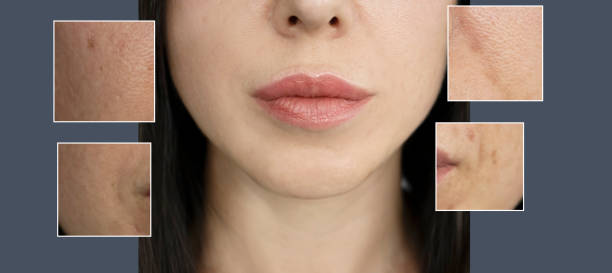
One of the biggest changes that occurs as skin ages is a gradual loss of structural support.
Collagen is an important protein found naturally in the skin. It helps contribute to the skin’s firmness and structure. As we get older, the body’s natural collagen production declines, which can contribute to changes in the appearance of the skin.
The skin underneath the eyes is already delicate and thin. When it becomes less firm or appears thinner, underlying shadows and natural variations in the area can become easier to see.
This is one reason dark circles can appear more prominent over time, even if your daily routine hasn’t changed.
2. Dehydrated Skin Can Emphasize Shadows
When the skin around your eyes looks dry or dehydrated, its texture can become more noticeable.
Fine lines may appear more pronounced, and the surface can lose some of the smooth, fresh appearance associated with well-hydrated skin. This can make the under-eye area look tired and emphasize existing shadows.
Hydration isn’t necessarily a cure for dark circles, but maintaining a consistent skincare routine that supports the skin’s moisture barrier can help the area look smoother and more refreshed.
Simple habits such as drinking enough water, using a suitable moisturizer, and avoiding unnecessarily harsh products around the eyes can all be useful parts of a skincare routine.
3. Rubbing Your Eyes Can Draw Attention to the Area
It’s easy to overlook how often we touch or rub our eyes.
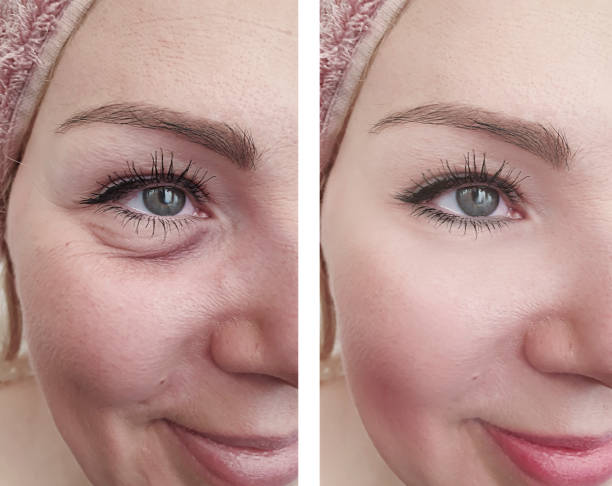
Allergies, tiredness, irritation, or simply habit can lead to frequent rubbing. Repeated friction isn’t ideal for delicate under-eye skin and may contribute to temporary redness or irritation.
If you regularly find yourself rubbing your eyes, try to identify what’s triggering the habit.
Being gentler around the eye area can be an important step toward maintaining a healthier-looking appearance.
4. Lack of Sleep Can Make You Look More Tired
We’ve all seen what a late night can do to our appearance.
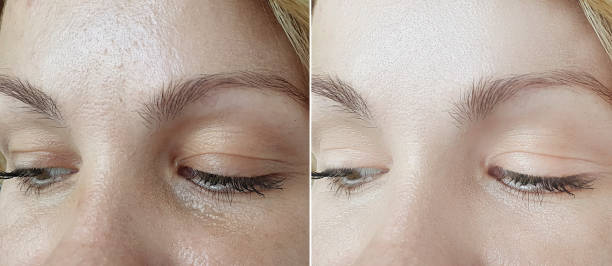
Insufficient sleep can make the face look tired, and the contrast between the surrounding skin and the under-eye area may become more noticeable. Puffiness can also create additional shadows, making dark areas appear more pronounced.
The solution isn’t necessarily complicated: prioritize consistent, quality sleep whenever possible.
Of course, occasional poor sleep happens to everyone. The important thing is to focus on your overall routine rather than expecting one night of perfect sleep to transform your appearance.
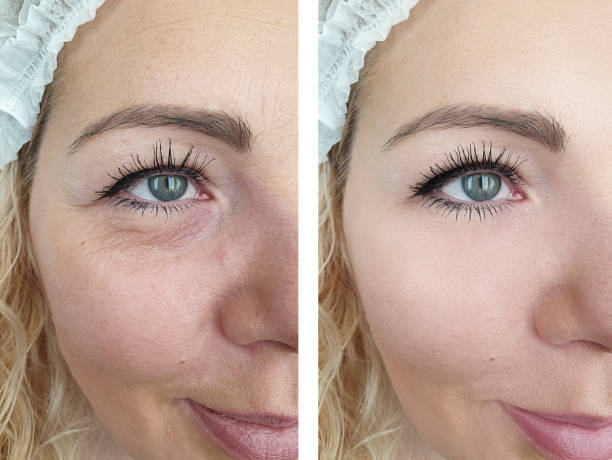
5. Sun Exposure Can Affect the Appearance of Uneven Skin Tone
Your under-eye area deserves protection from the sun too.
Regular sun exposure can contribute to visible changes in skin tone and the appearance of pigmentation over time. Because the skin around the eyes is particularly delicate, protecting it should be part of a broader skincare strategy.
A broad-spectrum sunscreen suitable for the face, sunglasses, and sensible sun protection can help reduce unnecessary exposure.
Remember that preventing additional visible skin damage is often easier than trying to correct it later.
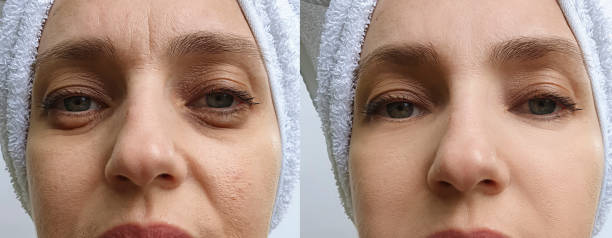
6. Facial Changes Can Create More Noticeable Shadows
Sometimes what looks like a darker under-eye area isn’t entirely about pigmentation.
As the face naturally changes with age, the distribution of volume and the contours around the eyes can change too. This can create shadows beneath the eyes that make the area appear darker in certain lighting.
That’s why your dark circles might look dramatically different depending on the room, your position, or the direction of the light.
If you’ve ever looked in the mirror and thought your under-eyes looked much darker than they did earlier in the day, lighting and shadows may be part of the explanation.
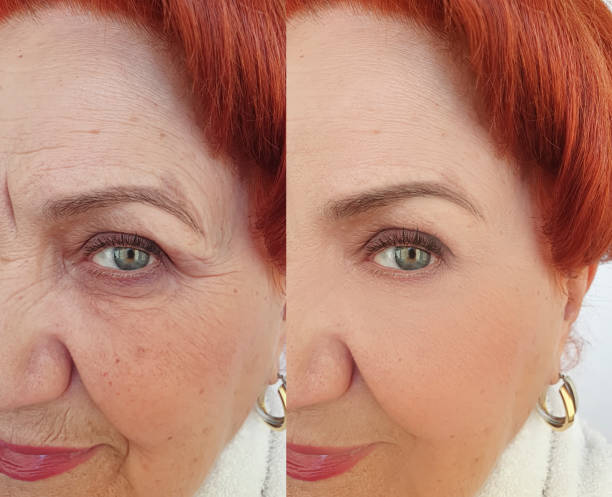
7. Your Skin’s Collagen Support Changes Over Time
Collagen deserves special attention because it plays a major role in the skin’s structure.
As natural collagen production declines with age, skin can gradually become less firm and resilient. This doesn’t happen overnight, and it isn’t something that can simply be reversed with one skincare product.
However, it does highlight why an effective approach to mature-looking skin should go beyond covering individual imperfections.
Instead of focusing exclusively on concealing dark circles, consider the bigger picture: hydration, sun protection, adequate sleep, gentle skincare, nutrition, and supporting your skin as it changes over time.
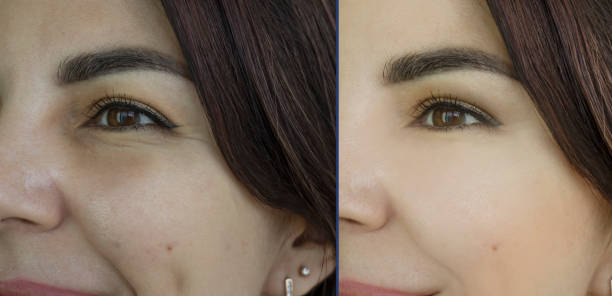
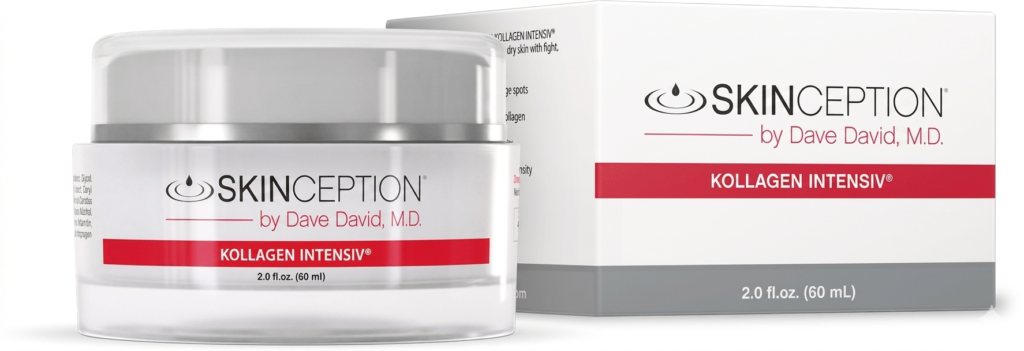
Where Does Kollagen Intensiv Fit In?
If you’re interested in supporting your skincare routine from a broader perspective, Kollagen Intensiv can be another option to consider.
Rather than treating the product as an instant solution for dark circles, it’s more sensible to think of collagen supplementation as one potential part of an overall approach to maintaining healthy-looking, youthful-looking skin.
The goal isn’t to promise that a collagen product will eliminate dark circles. Dark circles have different contributing factors, and results can vary from person to person.
Instead, the focus is on supporting your skin while combining that approach with sensible everyday habits.
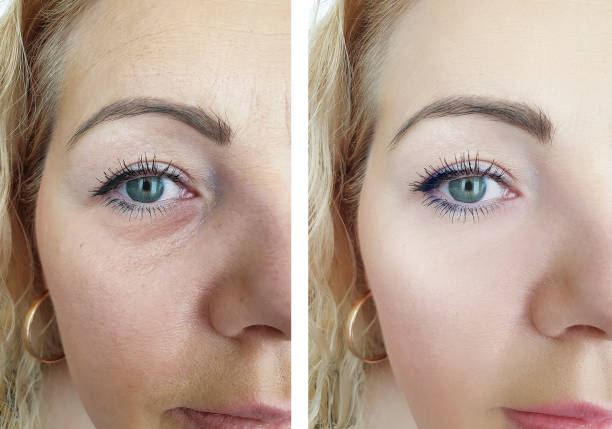
Don’t Focus Only on the Dark Circles
Dark circles can be frustrating because the appearance of the under-eye area is influenced by much more than sleep alone.
Age-related changes, thinner-looking skin, dehydration, sun exposure, rubbing your eyes, facial contours, and lifestyle factors can all contribute to how noticeable the area appears.
That means your approach doesn’t have to be about finding one magical fix.
Think of it as a long-term skincare strategy: protect your skin from the sun, keep it moisturized, get adequate sleep, treat the eye area gently, and consider ingredients and nutritional support that fit your overall routine.
If you’re looking for another way to support your skin as part of that routine, Kollagen Intensiv is worth exploring.
Final Thoughts
Dark circles don’t necessarily mean you’re doing something wrong. In many cases, they’re simply one of the visible changes that can become more noticeable as the skin around your eyes changes with time.
Understanding what’s contributing to their appearance can help you make smarter choices instead of constantly searching for another quick fix.
Start with the basics, be consistent, and look at your skin as a whole rather than focusing on one feature.
Want to learn more about supporting your skin as it changes with age? Explore Kollagen Intensiv and see whether it could be a suitable addition to your daily beauty routine.