Why Your Skin May Not Feel as Firm as It Used To—And What Everyday Habits Have to Do With It.

Have you ever looked in the mirror and wondered why your skin doesn’t seem as firm or smooth as it once did? While fine lines and wrinkles often get the most attention, a gradual loss of skin elasticity is one of the biggest reasons skin begins to look older. It can make the face appear less defined, the eye area seem more tired, and the skin feel thinner over time.
The good news is that skin elasticity isn’t influenced by just one factor. Everyday habits, environmental exposure, and the natural ageing process all play a role. Understanding what affects your skin’s ability to stay firm can help you make more informed skincare choices and support healthier-looking skin over time.
Let’s explore seven important factors that can influence skin elasticity.
1. Natural Collagen Changes with Age
Collagen is one of the key structural proteins that helps keep skin firm and resilient. As we get older, the body naturally produces less collagen than it did during our younger years.
This gradual change can make skin feel less supple and more prone to sagging. While ageing is inevitable, understanding this process helps explain why skincare routines often need to evolve over time.
2. Sun Exposure
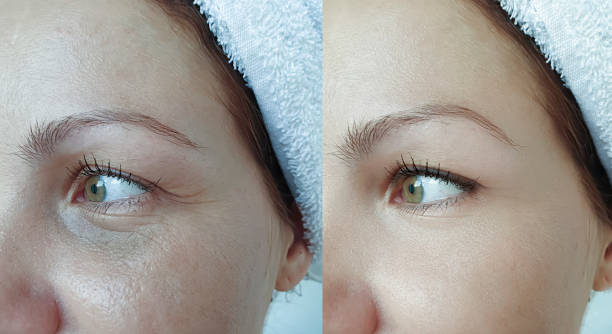
Ultraviolet (UV) rays are one of the biggest external factors affecting skin appearance. Years of repeated sun exposure can gradually damage collagen and elastin fibres that help keep skin looking firm.
Even if sun damage isn’t immediately visible, daily UV exposure can accumulate over time. Wearing sunscreen, seeking shade when possible, and protecting your skin from excessive sunlight are simple habits that may help preserve a healthier-looking complexion.
3. Hydration Levels
Well-hydrated skin often appears smoother, softer, and more resilient than dehydrated skin.
Hydration doesn’t directly create collagen, but it helps maintain the skin’s surface appearance and supports its natural barrier. Drinking enough water and using moisturisers suited to your skin type can help reduce the dry, tight feeling that sometimes makes fine lines appear more noticeable.
4. Nutrition
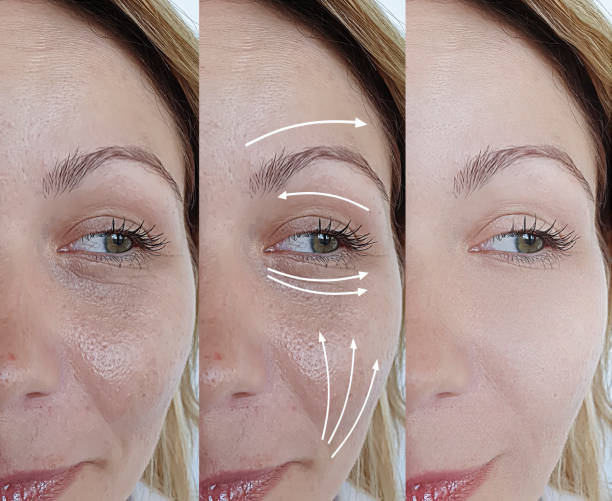
Your skin relies on a variety of nutrients to support its normal structure and function.
A balanced diet that includes fruits, vegetables, healthy fats, and adequate protein provides many of the vitamins and minerals your body uses every day. While no single food can stop skin ageing, consistently eating a nutrient-rich diet supports overall skin health as part of a healthy lifestyle.
5. Sleep Quality
Sleep is often called the body’s recovery period for a reason.
During restful sleep, your body carries out many normal repair processes. Poor sleep over long periods may leave skin looking dull, tired, or less refreshed. The delicate area around the eyes is often one of the first places where lack of quality sleep becomes noticeable.
Creating a regular sleep routine can benefit not only your energy levels but also your skin’s overall appearance.
6. Smoking and Environmental Pollution
Exposure to cigarette smoke and environmental pollutants can place additional stress on the skin.
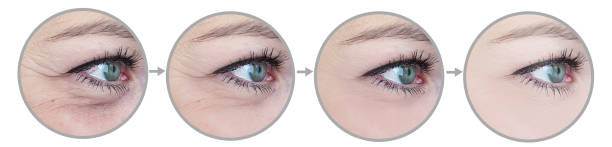
Smoking has long been associated with premature skin ageing, while pollution may contribute to oxidative stress that affects the skin’s surface over time. Reducing exposure where possible and following a consistent cleansing routine may help remove daily buildup from the skin.
Small lifestyle improvements often add up over the years.
7. Consistent Skincare Habits
Healthy-looking skin is rarely the result of one miracle product. Instead, consistency often matters more than constantly switching routines.
Gentle cleansing, moisturising, daily sun protection, and using products appropriate for your skin type can all contribute to maintaining skin that looks smoother and more comfortable.
It’s also important to have realistic expectations. Visible changes in skin appearance usually occur gradually, and maintaining good habits often delivers better long-term results than chasing quick fixes.
Supporting Skin That Looks Healthier Over Time
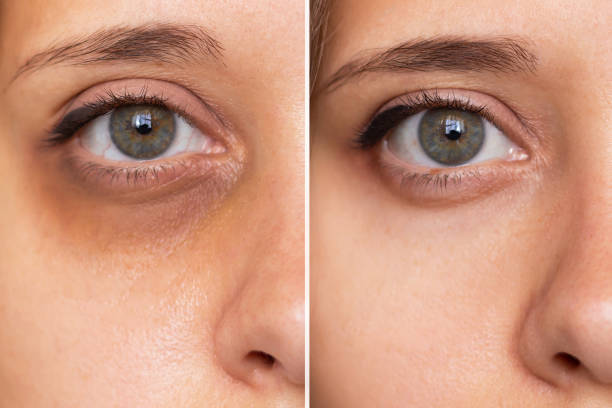
Once you understand the many factors that influence skin elasticity, it’s easier to see why no single solution addresses every concern. Healthy lifestyle habits, daily sun protection, balanced nutrition, hydration, and a consistent skincare routine all work together to support skin’s appearance.
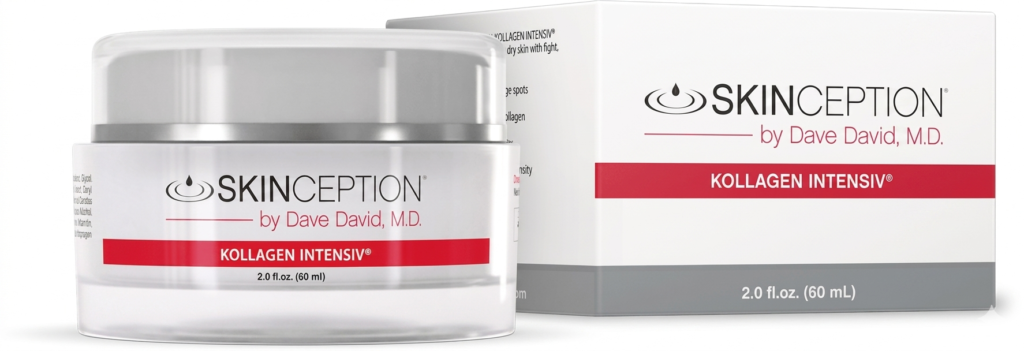
Some people also choose to explore skincare products specifically designed for mature-looking skin or areas where firmness appears to have declined. If you’re interested in learning more about products formulated to support the appearance of smoother, healthier-looking skin, Kollagen Intensiv may be worth exploring.
Rather than promising dramatic overnight transformations, it’s best to view products like Kollagen Intensiv as one part of a broader skincare routine. Used consistently alongside healthy daily habits, a well-formulated skincare product can complement the efforts you’re already making to care for your skin.
Final Thoughts
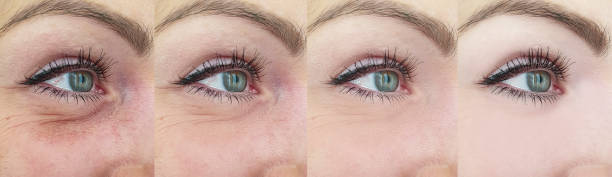
Skin elasticity changes naturally over time, but understanding the factors that influence it gives you more control over the choices you make every day. While ageing cannot be stopped, healthy habits and a thoughtful skincare routine can help your skin look its best for longer.
If maintaining firmer-looking, smoother skin is one of your skincare goals, taking time to learn about products designed for mature skin may be a worthwhile next step. Discover more about Kollagen Intensiv and see whether it fits into your own approach to supporting healthier-looking, more radiant skin.
⭐⭐⭐⭐⭐ Kollagen Intensiv™ 74 reviews