

Do your eyes sometimes make you look more tired than you actually feel? Dark circles, morning puffiness, fine lines and a dull appearance can gradually become more noticeable, even when you are trying to look after your skin. The frustrating part is that an expensive eye cream or an occasional skincare treatment may not be enough to address all the factors affecting the delicate skin around your eyes.
The good news is that a more consistent eye care routine does not have to be complicated. Small, manageable changes to your daily habits can help support skin hydration, improve the appearance of tired-looking eyes and protect the skin as it ages.
Rather than adding dozens of products to your bathroom shelf, start with these seven practical changes that can make caring for the eye area easier to maintain.
1. Start Your Morning with Gentle Hydration
The skin surrounding your eyes is delicate and can lose moisture, making fine lines appear more noticeable. When your skin is dehydrated, it may look less smooth and feel less comfortable.
Begin your morning routine by gently cleansing your face with a product suited to your skin type. Follow with a moisturiser that is appropriate for the eye area.
Look for ingredients such as hyaluronic acid, glycerin or ceramides, which help attract or retain moisture and support the skin’s protective barrier.
Apply products carefully without rubbing or pulling the skin. A lighter touch is especially important around the eyes, where repeated friction can cause irritation.
Consistent hydration will not eliminate every wrinkle or dark circle, but it can help the skin appear smoother and more refreshed.
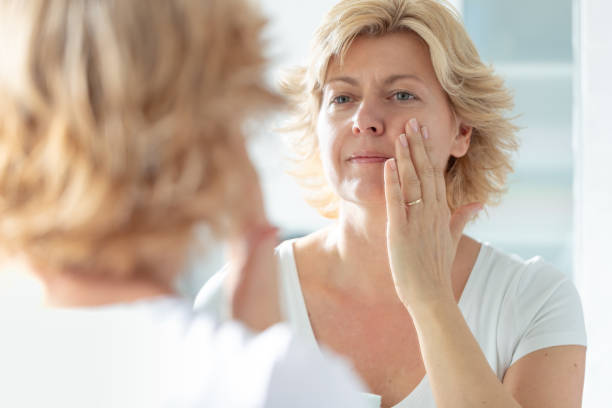
2. Make Sun Protection a Daily Habit
Sun exposure is one of the major environmental factors contributing to visible skin ageing. Ultraviolet radiation can damage collagen and elastin, the structural proteins that help skin maintain its firmness and flexibility.
Over time, this damage can contribute to fine lines, uneven skin tone and a loss of elasticity.
Make broad-spectrum sunscreen with SPF 30 or higher part of your morning routine. Apply it to exposed skin around the eyes where appropriate, following the product instructions and avoiding direct contact with your eyes.
Sunglasses that provide UV protection can also help protect the delicate surrounding area while reducing the need to squint in bright sunlight.
The key is consistency. Protecting your skin regularly is generally more useful for long-term skin health than relying on occasional treatments after signs of ageing become visible.
3. Give Morning Puffiness a Simple Solution
Waking up with puffy eyes can make your entire face appear tired. This temporary swelling may be associated with fluid retention, salty meals, allergies, disrupted sleep or normal changes that occur as you age.
Instead of immediately reaching for multiple products, try a simple morning routine.
- Apply a clean, cool compress to closed eyes for several minutes.
- Keep your head slightly elevated when sleeping if morning swelling is a recurring concern.
- Notice whether particularly salty evening meals seem to affect your appearance the following morning.
- Avoid rubbing your eyes, especially if they feel itchy or irritated.
A cool compress may temporarily reduce the appearance of puffiness, although it will not address every underlying cause.
Persistent or sudden swelling, particularly when accompanied by pain, redness or changes in vision, should be assessed by a healthcare professional rather than treated as an ordinary skincare concern.
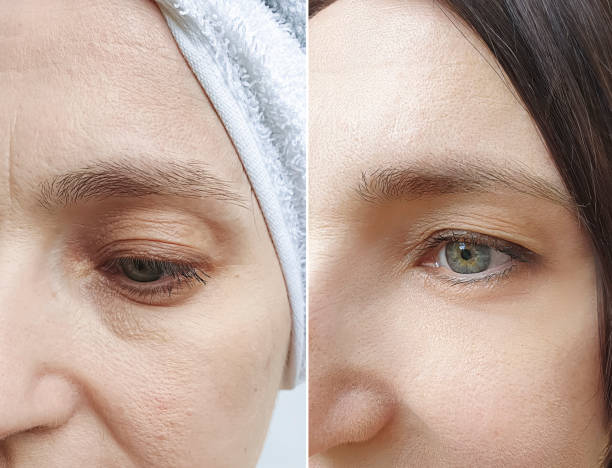
4. Build a More Reliable Sleep Schedule
Late nights can leave your eyes looking heavy, especially when you wake up with dark circles or puffiness. Although sleep is not the only factor involved, regularly getting too little rest can affect how refreshed your skin and face appear.
Adults generally benefit from seven to nine hours of sleep each night. Establishing a regular bedtime and wake-up time can make this goal easier to achieve.
Try these small adjustments:
- Reduce screen use shortly before bedtime.
- Keep your bedroom dark, comfortable and quiet.
- Avoid consuming caffeine late in the day if it affects your sleep.
- Give yourself enough time to wind down before going to bed.
Dark circles can also be influenced by genetics, pigmentation, allergies and the natural thinning of skin with age. Better sleep may help when tiredness is contributing to their appearance, but it will not necessarily remove them completely.
5. Support Your Skin from the Inside Out
Your skincare routine does not begin and end with what you apply to your face. Nutrition, hydration and general lifestyle habits also contribute to healthy-looking skin.
Collagen is a structural protein that helps provide skin with support and firmness. As we age, the body’s natural collagen production gradually declines. Sun exposure, smoking and other environmental factors can contribute to visible changes in skin quality.
A balanced diet provides nutrients that support normal skin function. Include a variety of vegetables, fruits, protein-rich foods, whole grains and healthy fats.
Vitamin C is particularly important because the body needs it to produce collagen. Sources include citrus fruits, berries, capsicum and broccoli.
Drinking enough water throughout the day supports normal hydration, although drinking extra water will not directly erase established wrinkles or dark circles.
Think of nutrition as one part of a broader routine rather than a quick fix for ageing skin.

6. Consider Whether Collagen Supplements Fit Your Routine
As collagen levels change with age, some people become interested in nutritional supplements as an additional part of their beauty routine.
Products containing collagen or ingredients intended to support skin health have attracted attention because of their potential role in skin hydration and elasticity. However, the evidence varies between formulations, and results from studies of one ingredient or supplement cannot automatically be applied to another product.
Kollagen Intensiv is an option that beauty-conscious adults may wish to investigate when considering their overall approach to skin ageing.
Before choosing it, review the product’s current ingredient list, directions, suitability for your circumstances and any available evidence supporting its claims. Consider how it fits alongside your existing skincare and nutritional habits.
It is also important to keep expectations realistic. A supplement should not be viewed as a guaranteed solution for under-eye wrinkles, dark circles, puffiness or sagging skin. These concerns can have different causes, and no single product is likely to address them all.
If you take medication, have an underlying health condition or have concerns about supplement ingredients, seek advice from a qualified healthcare professional before starting something new.
The most sensible approach is to consider Kollagen Intensiv as a potential addition to a consistent beauty routine, not a replacement for sunscreen, balanced nutrition, sleep or appropriate skincare.
7. Keep Your Eye Care Routine Simple Enough to Repeat
One of the biggest obstacles to better skincare is trying to change everything at once. When a routine involves too many steps, it becomes harder to maintain, particularly on busy mornings or when you are tired.
A simple routine that you follow regularly is often more practical than an elaborate one that you abandon after a few days.
Start with a few essentials:
- Morning: Gentle cleansing, moisturiser and sun protection.
- Evening: Remove makeup, cleanse gently and moisturise.
- Throughout the day: Maintain balanced hydration and avoid unnecessary rubbing of the eyes.
- Each week: Review how your skin feels and whether your products are causing dryness or irritation.
Introduce new skincare products one at a time so you can identify anything that causes a reaction. Remember that changes in the appearance of fine lines, pigmentation and skin texture generally take time, and some concerns may require professional advice.
Consistency also means being patient with yourself. Missing a step occasionally does not undo your efforts. Simply return to your routine the following day.

A More Consistent Routine Starts with Small Steps
Tired-looking eyes, dark circles, puffiness and fine lines can be influenced by a combination of genetics, ageing, sun exposure, sleep, hydration and everyday habits. This is why an effective eye care routine should focus on several aspects of skin health rather than depending on a single cream or supplement.
Start with the basics: moisturise regularly, protect your skin from the sun, prioritise sleep and nourish your body with a balanced diet. From there, consider whether targeted skincare products or an option such as Kollagen Intensiv fits your individual needs and expectations.
You do not need a perfect routine to take better care of your skin. By making small changes that are easy to repeat, you can build more sustainable habits that support healthier-looking skin and help your eyes appear more refreshed over time.
Don’t stop here. Subscribe for more practical tips on caring for your eyes as
they age.