Have you ever looked in the mirror and felt that your eyes suddenly seem to get all the attention — and not in the way you would like?
Dark circles, puffiness, fine lines, dryness, and a tired-looking appearance can make the eye area stand out before anything else. And sometimes, it is not because you are doing anything dramatically wrong. The skin around your eyes is simply delicate and can show visible signs of ageing, dehydration, and daily stress sooner than other areas of the face.
The good news is that a few simple changes may help you give this area a little more care and attention.

1. Be Gentler When You Touch Your Eyes
The skin around your eyes is thinner and more delicate than much of the skin on your face. That means rubbing, pulling, or aggressively removing makeup may not be the best habit.
Instead, try treating the area gently.
When cleansing or removing makeup, use light movements rather than repeatedly rubbing the skin. Being careful around your eyes may help reduce unnecessary irritation and make your skincare routine more comfortable.
It is a small change, but small habits can add up over time.
2. Pay More Attention to Hydration
Dry-looking skin can make fine lines appear more noticeable, particularly around the eyes.
As skin ages, its ability to retain moisture can change. Environmental exposure, weather, cleansing habits, and everyday lifestyle factors can also contribute to a dehydrated appearance.
Keeping your skin properly moisturised can help it look smoother and more supple.
Look for skincare products designed for the delicate eye area, and remember that drinking enough water throughout the day also supports your body’s overall hydration needs.
3. Protect Your Skin From the Sun
If you are concerned about premature skin ageing, sun protection deserves attention.
Repeated exposure to ultraviolet radiation can contribute to visible signs of skin ageing, including changes in texture, pigmentation, and the appearance of fine lines. The area around your eyes should not be forgotten simply because it is small.
A broad-spectrum sunscreen, sunglasses, and a hat can all be useful parts of a sensible sun-protection routine.
Protecting your skin today may help you maintain a healthier-looking appearance over time.

4. Give Your Eyes a Break
Your eye area can sometimes look tired simply because you are tired.
Long periods looking at phones, computers, or other screens can leave your eyes feeling strained. Poor sleep can also contribute to a tired appearance, including more noticeable puffiness or dark circles.
Try taking regular screen breaks and making sleep a priority.
Simple habits such as:
- Getting a consistent night’s sleep
- Taking breaks from screens
- Avoiding unnecessary eye rubbing
- Managing daily stress
may help your eyes look more refreshed.
Of course, dark circles and puffiness can have many causes, including genetics, allergies, pigmentation, and natural ageing, so lifestyle changes will not necessarily address every cause.

5. Choose Skincare With the Ageing Process in Mind
One reason the eye area can change as we get older is that the skin’s structure changes too.
Collagen is an important protein that helps provide skin with structure and support. As we age, natural collagen production declines. Skin may gradually become less firm, less elastic, and more prone to showing fine lines.
That does not mean you need a complicated 10-step routine.
A simple routine focused on hydration, protection, and ingredients suited to your skin can be a much more practical approach.
The goal is not to stop ageing. It is to support your skin as it changes.
6. Think Beyond What You Put on Your Skin
Skincare is only one part of the picture.
Your skin’s appearance is influenced by several factors, including nutrition, sleep, hydration, stress, sun exposure, and the natural ageing process.
This is one reason collagen supplements have attracted attention from people looking for another way to support their skin from within.
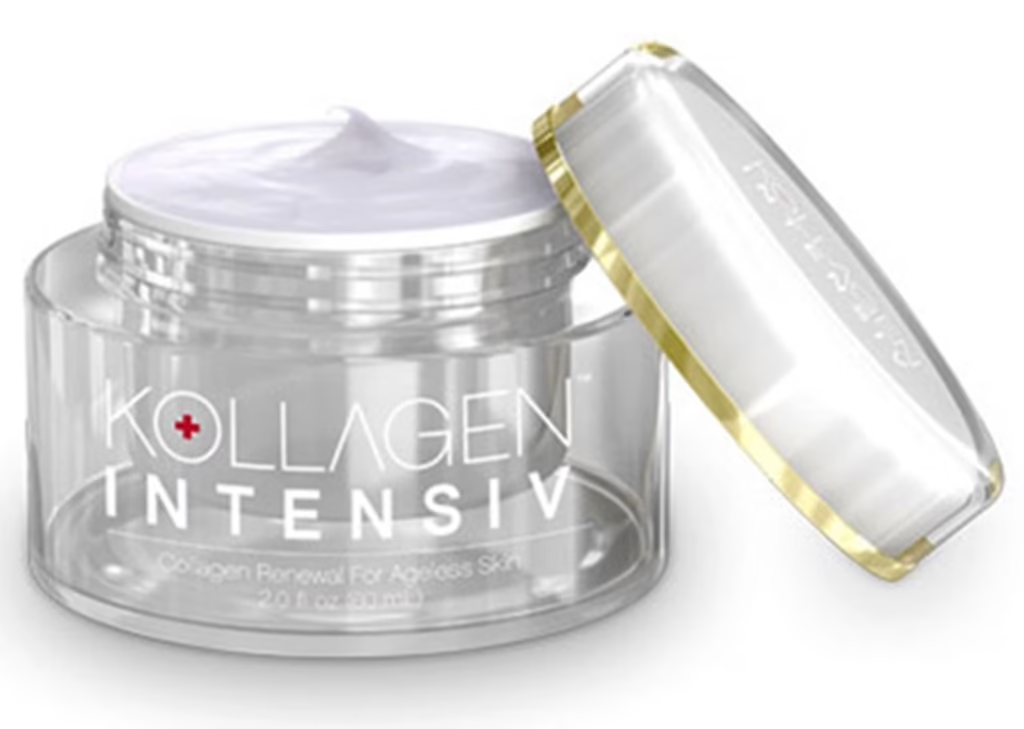
Kollagen Intensiv is one option worth exploring. It is formulated as a collagen-focused supplement for people interested in supporting the appearance of ageing skin.
While no supplement can turn back the clock or guarantee a particular result, adding a collagen supplement to an overall healthy routine may be something some people choose to consider.

7. Consider Kollagen Intensiv as Part of a Bigger Routine
If your main concern is an eye area that looks tired, dry, or increasingly lined, you may be wondering whether there is anything else you can do beyond creams and serums.
This is where Kollagen Intensiv may be worth looking into.
Rather than viewing it as a quick fix, think of it as one potential addition to a broader approach to skin care. Supporting your skin with a consistent routine that includes hydration, sun protection, healthy lifestyle habits, and appropriate skincare can make more sense than relying on one product alone.
Kollagen Intensiv may appeal to people who want to explore collagen supplementation as part of that approach.

Why Consider Trying Kollagen Intensiv?
There are several reasons someone might want to learn more about it:
- You are becoming more aware of visible signs of skin ageing.
- Your skin feels less firm or elastic than it once did.
- You want to explore collagen supplementation.
- You prefer taking a broader approach to your skincare routine.
- You want an option that complements, rather than replaces, your existing skincare habits.
The important thing is to have realistic expectations. Results can vary from person to person, and a supplement should not be viewed as a guaranteed solution for dark circles, wrinkles, or puffiness.

A Little More Attention Can Make a Difference
Your eye area does not necessarily need an elaborate routine. Sometimes the most useful changes are surprisingly simple: be gentler with your skin, keep it hydrated, protect it from the sun, prioritise rest, and think about how your skincare habits fit into the bigger picture of healthy ageing.
And if collagen supplementation is something you have been curious about, Kollagen Intensiv may be worth investigating as another part of your routine.
The most important step is finding an approach that feels realistic enough to maintain consistently.