Your under-eyes can sometimes seem darker, more tired, or less refreshed than they used to—even when your skincare routine hasn’t changed.
It is easy to blame a late night or assume you simply need a better eye cream. But the appearance of the delicate skin beneath your eyes can be influenced by several factors, including natural skin ageing, changes in hydration, lifestyle, and the gradual decline of collagen that occurs over time.
Understanding what may be contributing to the change can help you make more informed choices about your skincare routine and overall approach to healthy-looking skin.
1. Your Skin May Be Losing Collagen With Age
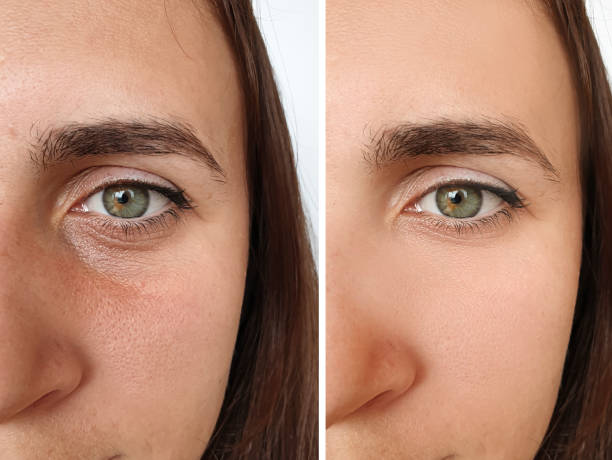
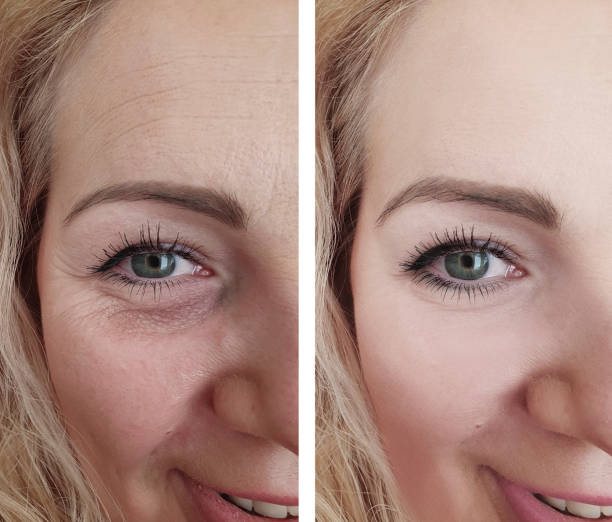
One of the biggest changes associated with ageing skin is a gradual reduction in collagen production.
Collagen is a structural protein that helps support the skin’s firmness and appearance. As natural collagen production declines, skin can gradually become thinner and less resilient.
This can be particularly noticeable around the eyes because the under-eye area already has relatively delicate skin.
When the skin becomes less firm or looks thinner, underlying shadows and variations in skin tone may appear more noticeable, potentially making the area look darker.
Why collagen matters around the eyes
The goal isn’t necessarily to “erase” every sign of ageing. Instead, supporting the skin’s natural structure can be part of a broader strategy for maintaining a smoother, healthier-looking complexion as you get older.
2. Your Under-Eye Skin May Be More Dehydrated
Hydration can have a surprisingly large effect on how your skin looks.
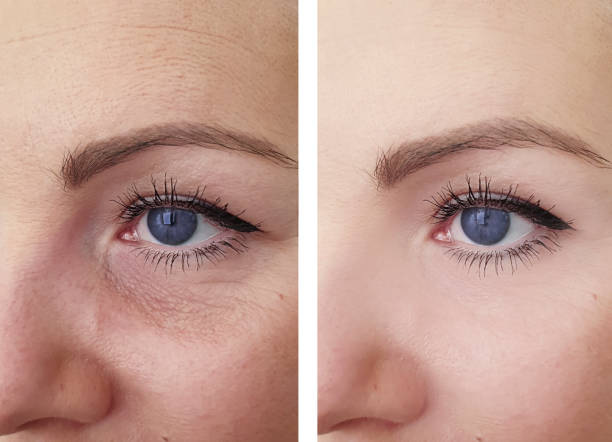
When skin becomes dry or dehydrated, fine lines and texture can appear more pronounced. Around the eyes, this may make the area look less smooth and more tired.
Indoor heating, air conditioning, weather changes, inadequate fluid intake, and harsh skincare products can all contribute to temporary dryness.
A gentle moisturiser and consistent skincare routine may help improve the overall appearance of dry-looking skin.
3. Your Eyes May Simply Look More Tired
Sometimes the explanation is surprisingly simple: your eyes look tired because you are tired.
Poor sleep, long hours looking at screens, stressful periods, and inconsistent sleep schedules can all affect how refreshed your face appears.
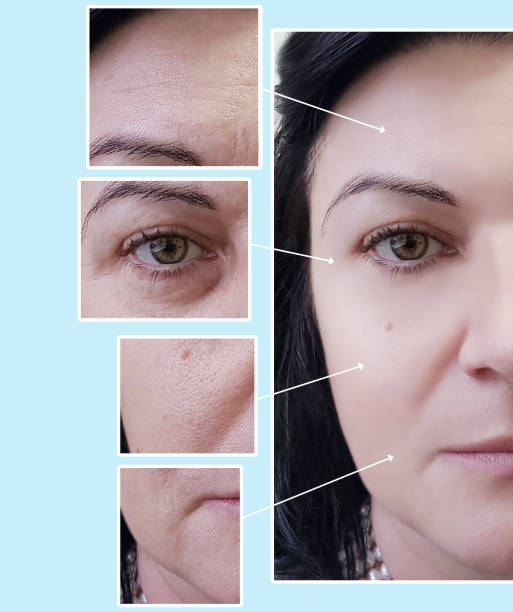
The under-eye area may look darker or puffier after periods of inadequate rest.
That doesn’t mean every dark circle is caused by sleep. Genetics, pigmentation, skin structure, and ageing can also play important roles. But getting consistent, quality sleep is still one of the simplest foundations for looking more refreshed.
4. Natural Skin Changes Can Make Shadows More Visible
The appearance of dark under-eyes isn’t always about pigmentation.
As the face naturally changes with age, shifts in skin thickness, firmness, and volume can alter the way light falls across the under-eye area.
That can create shadows that make the region appear darker even when your actual skin pigmentation hasn’t dramatically changed.
This is one reason why applying more concealer or using increasingly aggressive skincare products isn’t necessarily the answer.
Sometimes the appearance of the area is influenced by structural changes that happen gradually over time.
5. Sun Exposure Can Affect the Look of Your Skin
Your face receives a considerable amount of daily environmental exposure, and the delicate skin around your eyes is no exception.
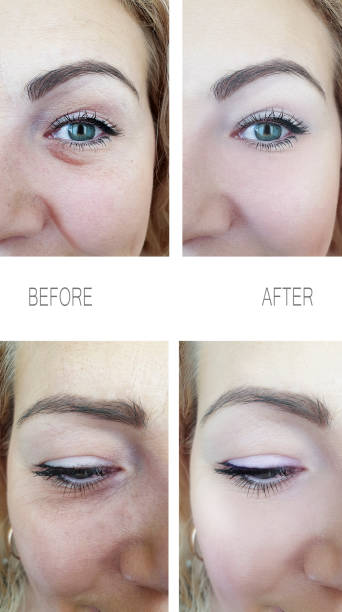
Sun exposure can contribute to visible signs of premature skin ageing and changes in skin pigmentation.
A consistent sun-protection routine is therefore important when you’re trying to maintain an even-looking complexion.
Sunglasses, shade, and broad-spectrum sunscreen can all be useful parts of a long-term skincare strategy.
Think long-term.
Healthy-looking skin usually isn’t the result of one dramatic change. Consistent habits tend to matter more than constantly switching between products.
6. Your Skincare Routine May Be Too Aggressive
More skincare doesn’t automatically mean better skincare.
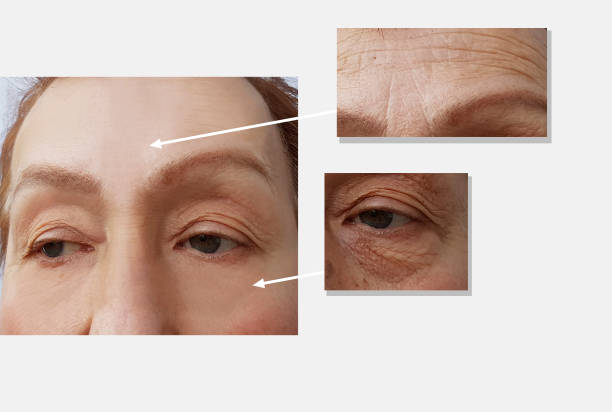
Using too many active ingredients, scrubbing excessively, or applying irritating products close to the eyes may leave delicate skin feeling dry or uncomfortable.
The under-eye area generally benefits from a gentle approach.
Instead of constantly adding another product, consider whether your current routine is actually supporting your skin barrier and keeping the area comfortable and hydrated.
A simpler routine that you can follow consistently may be more useful than a complicated routine that repeatedly irritates your skin.
7. Your Overall Collagen Support May Deserve More Attention
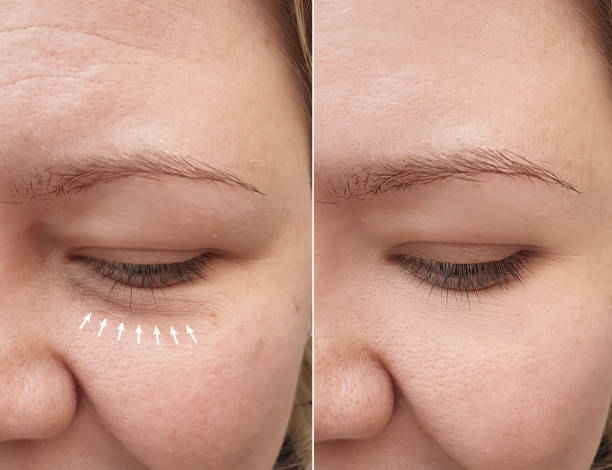
If you’re noticing more visible fine lines, less firmness, or a generally thinner-looking complexion, collagen becomes an interesting part of the conversation.
Your body naturally produces collagen, but production changes as you age. That doesn’t mean a collagen-focused product will reverse ageing or eliminate dark circles. However, supporting your skin’s natural collagen processes can be one consideration within a broader healthy-skin routine.
This is where some people look beyond topical skincare.
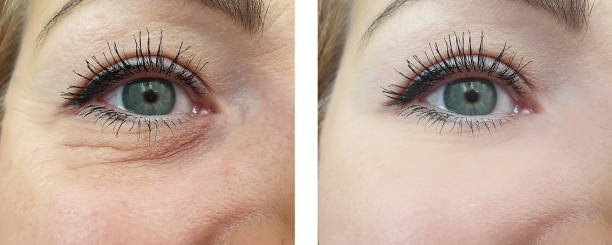
Where Kollagen Intensiv® Fits In
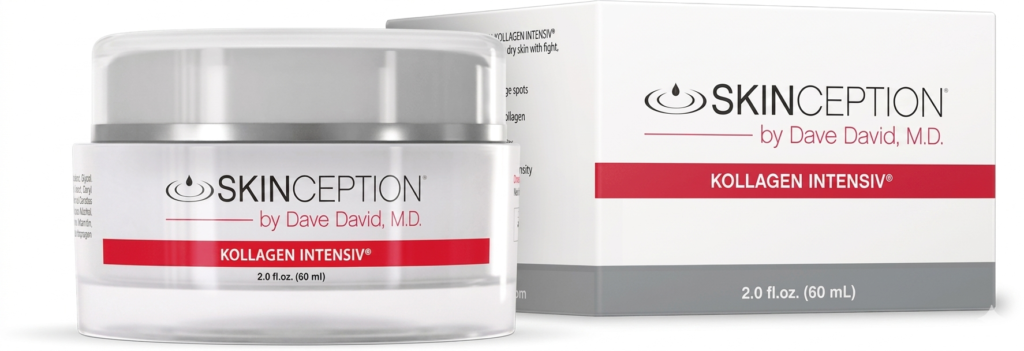
Kollagen Intensiv® is a collagen-focused beauty supplement designed to support the body’s natural collagen production.
Its positioning is particularly relevant for people who are becoming more aware of changes such as wrinkles, loss of firmness, and the overall appearance of ageing skin.
The product is promoted around supporting natural collagen production and improving the appearance of wrinkles, with claims based on its clinical research. Individual results can vary, so it is best viewed as one potential part of a broader approach to skin care rather than a guaranteed solution for dark circles.
If you’re considering a collagen supplement, it’s sensible to look at the ingredients, research, directions, and product information before deciding whether it fits your personal routine.
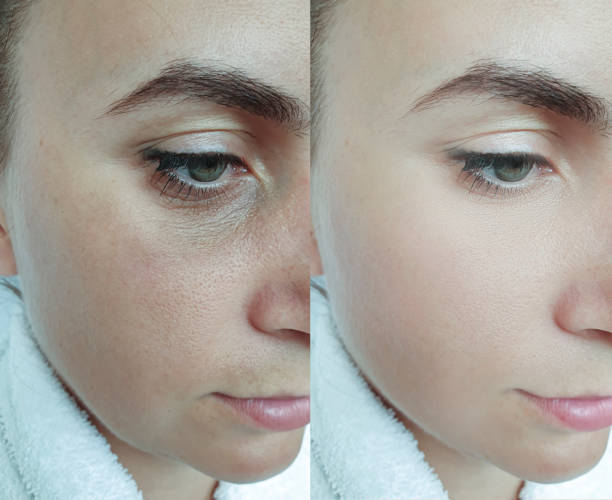
Don’t Ignore the Bigger Picture
When your under-eyes suddenly seem darker, it’s tempting to search for one magic ingredient.
But skin appearance is rarely that simple.
Sleep, hydration, sun exposure, genetics, ageing, skincare habits, and collagen changes can all play a role. Looking at the bigger picture gives you a better opportunity to build sustainable habits instead of constantly chasing the newest quick fix.
And remember: dark circles can have many different causes. If you notice a sudden or persistent change that concerns you, speaking with a qualified healthcare professional can help you understand what may be contributing to it.
Final Thoughts
If your under-eyes have started looking darker lately, don’t automatically assume that your skincare routine has failed.
The change may reflect a combination of natural ageing, reduced collagen production, dehydration, tiredness, sun exposure, or changes in the way light interacts with the delicate skin around your eyes.
The good news is that understanding these factors gives you more options.
Focus on the fundamentals: protect your skin from the sun, maintain hydration, prioritise quality sleep, use gentle skincare, and consider whether supporting natural collagen production belongs in your overall beauty routine.
Kollagen Intensiv® may be worth exploring if you’re looking for a collagen-focused addition to that routine. Rather than expecting an overnight transformation, approach it as part of a consistent, long-term strategy for maintaining healthy-looking, youthful-looking skin.
Want to learn more about Kollagen Intensiv® and how it fits into a collagen-focused beauty routine? Explore the product information and see whether it may be right for you.