
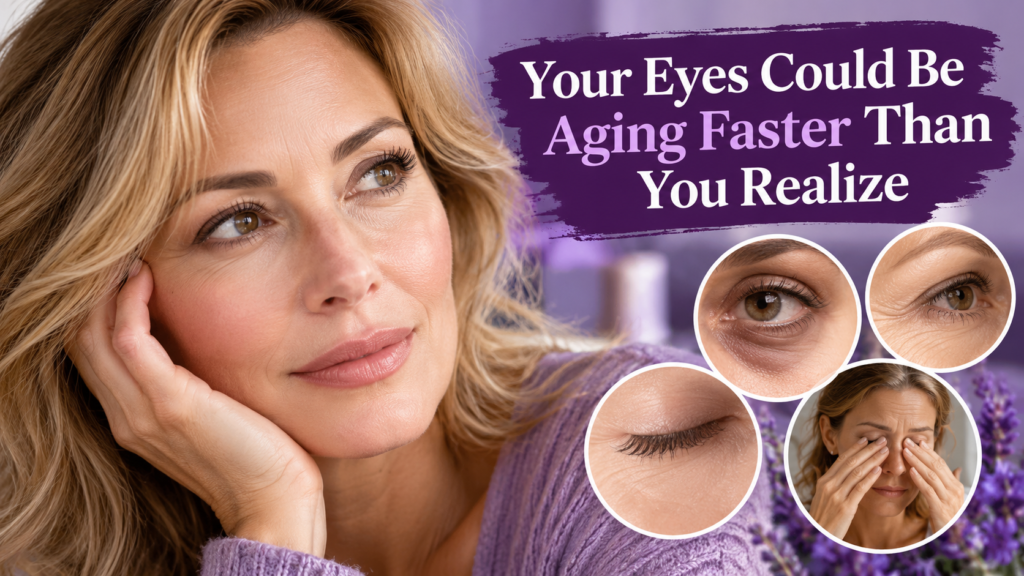
Have you ever looked in the mirror and thought your eyes seemed more tired, older, or worn out than you actually feel? The area around your eyes can sometimes reveal signs of aging long before the rest of your face does.
Dark circles, puffiness, fine lines, dryness, and a less firm appearance can all contribute to an older-looking eye area. And while some changes are a natural part of getting older, your daily habits and the condition of your skin can also influence how your eyes look.
Here are seven common reasons your eyes may be looking older than you feel—and what you can do to support a fresher-looking appearance.
1. Natural Collagen Loss
Collagen is one of the main structural proteins found in skin. It helps support firmness, strength, and elasticity.
As we age, the body naturally produces less collagen. Over time, this can contribute to skin becoming thinner and less resilient, including the delicate skin around the eyes.
Because the eye area is already thinner than much of the face, changes can become particularly noticeable here. Fine lines may appear more visible, and the skin may not look as smooth or firm as it once did.
Supporting healthy skin from both inside and outside can therefore become increasingly important as part of an overall beauty routine.
2. Your Skin May Be Dehydrated
Dry or dehydrated skin can make fine lines look more noticeable. Around the eyes, where the skin is delicate, even relatively small changes in hydration can affect its appearance.
When skin lacks moisture, it can appear dull, tight, or less plump. Fine lines may also stand out more prominently.
Regularly drinking enough water and using skincare products suited to your skin can help maintain a healthier-looking appearance. Hydration isn’t a magic solution for aging, but maintaining good skin moisture is an important part of keeping the eye area looking refreshed.
3. Poor Sleep Can Show Around Your Eyes
You don’t necessarily have to feel exhausted for your eyes to look tired.
Insufficient or inconsistent sleep can contribute to the appearance of puffiness, dark circles, and dull-looking skin. When several nights of poor sleep add up, the effect can become particularly noticeable around the eyes.
Your sleep routine is therefore worth considering if your eyes frequently look tired despite feeling reasonably energetic.
Simple habits can help, such as
- Keeping a consistent sleep schedule
- Creating a relaxing bedtime routine
- Reducing unnecessary screen time before bed
- Making your bedroom comfortable and dark
Good sleep won’t stop the natural aging process, but it can make a meaningful difference to how rested your appearance looks.
4. Sun Exposure Can Accelerate Visible Skin Aging
The skin around your eyes receives plenty of exposure to environmental factors, including sunlight.
Repeated UV exposure can contribute to visible skin aging, including changes in texture, uneven pigmentation, and fine lines. Squinting in bright conditions may also repeatedly crease the skin around the eyes.
Protecting your skin from excessive sun exposure is one of the most practical long-term steps you can take for maintaining a youthful-looking complexion.
Sunglasses, shade, and appropriate broad-spectrum sunscreen can all form part of a sensible approach to protecting exposed skin.
5. Repeated Facial Expressions Can Make Lines More Noticeable
Smiling, squinting, concentrating, and other everyday facial expressions naturally cause the skin around your eyes to move.
When you’re younger, skin generally has greater elasticity and can return to its previous appearance more easily. As collagen and elastin levels change with age, expression lines can become more noticeable and may remain visible even when your face is relaxed.
This doesn’t mean you should stop smiling or expressing yourself. Instead, it helps explain why the eye area can gradually develop a more lined appearance over time.
6. Lifestyle Habits Can Affect Your Skin
Your skin reflects more than just your skincare routine.
Stress, smoking, excessive alcohol consumption, poor nutrition, lack of sleep, and insufficient hydration can all work against the appearance of healthy-looking skin.
Your eyes may therefore look older than you feel simply because several small lifestyle factors are adding up.
A balanced diet containing a variety of nutrients, regular physical activity, adequate sleep, hydration, and avoiding smoking can provide a stronger foundation for healthy skin than relying on a single beauty product.
7. Your Skin May Need More Support as You Age
Sometimes the issue isn’t one obvious problem. Instead, several gradual changes happen at once.
You may notice slightly thinner-looking skin, more visible fine lines, less elasticity, increased dryness, or a combination of dark circles and puffiness. Together, these changes can make the eye area appear older or more tired.
This is one reason many people begin paying closer attention to collagen and overall skin support as they get older.

Where Does Kollagen Intensiv Fit In?
Kollagen Intensiv may be worth considering as part of a broader beauty and skincare routine for people who want to support the appearance of youthful-looking skin.
Rather than viewing a collagen-focused product as a quick fix for dark circles, puffiness, or wrinkles, it makes more sense to consider it alongside the other habits that contribute to skin health.
A routine might include:
- Consistent hydration
- Nutritious meals with adequate protein
- Good-quality sleep
- Sun protection
- A suitable skincare routine
- Regular exercise
- A collagen-focused beauty supplement such as Kollagen Intensiv
The goal is not to promise that one product can reverse visible aging. Skin changes naturally with time, and individual results can vary. Instead, Kollagen Intensiv can be considered as one potential part of an overall approach to supporting the appearance and condition of aging skin.
Give Your Eyes More Than a Quick Fix
When your eyes suddenly seem older than you feel, it’s easy to focus on the most obvious symptom—a dark circle, a fine line, or morning puffiness.
But the appearance of the eye area is influenced by many factors, including natural collagen loss, hydration, sun exposure, sleep, lifestyle habits, and the gradual changes that come with aging.
Understanding those factors gives you a more realistic way to care for your skin.
You may not be able to stop your eyes from changing with age, but you can support your skin with consistent, sensible habits. And when combined with a balanced beauty routine, paying attention to hydration, collagen support, protection, and overall well-being can help you maintain a healthier, fresher-looking appearance for years to come.
There’s plenty more to learn. Subscribe for regular tips on caring for your
eyes as you get older.