
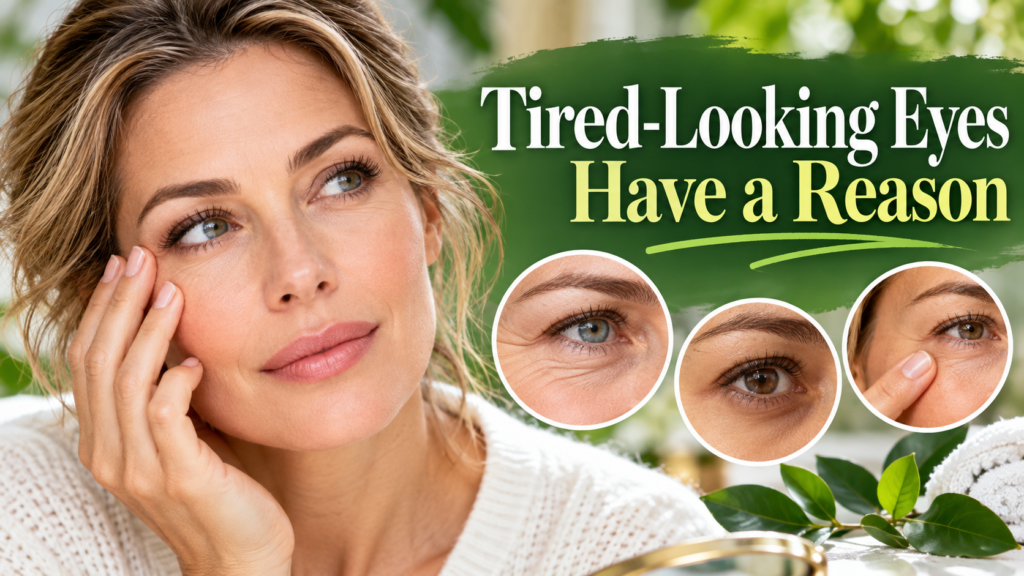
Have you ever looked in the mirror and felt like your eyes suddenly make you look more tired or older than you actually feel? You may have a fairly fresh-looking complexion, yet dark circles, puffiness, fine lines, or a tired appearance around your eyes can make a surprisingly big difference.
The skin around the eyes is delicate and can show visible signs of ageing earlier than other areas of the face. While getting older is a natural process, several everyday factors can contribute to an aged or fatigued appearance.
Here are seven reasons your eyes may look older than the rest of your face—and what you can consider as part of a sensible overall skincare and beauty routine.
1. The Skin Around Your Eyes Is Naturally Delicate
The skin surrounding the eyes is thinner and more delicate than much of the skin on the rest of your face. Because of this, changes in hydration, elasticity and skin structure can become noticeable relatively quickly.
Fine lines may appear more prominent, particularly when the skin is dry. Facial expressions such as smiling, squinting and frowning also create repeated movement in this area over many years.
This doesn’t necessarily mean your skin is ageing unusually fast. It can simply mean that the eye area makes subtle changes easier to notice.

2. Natural Collagen Loss Can Affect Firmness
Collagen is an important structural protein found throughout the skin. It helps support the skin’s structure, firmness and elasticity.
As we age, the body’s natural production of collagen gradually declines. This can contribute to changes in skin texture and resilience, including around the eyes.
When skin becomes less firm and elastic, fine lines can become more noticeable. The delicate eye area may therefore give the impression of ageing even when the rest of your complexion still looks relatively smooth.
Supporting healthy skin through good nutrition and an appropriate skincare routine can become increasingly important as part of normal ageing.
3. Dehydrated Skin Can Make Fine Lines Stand Out
Sometimes the issue isn’t simply the number of wrinkles you have—it is how visible they appear.
When the skin lacks moisture, it can look dull, dry or less plump. Fine lines may also appear more pronounced, particularly around the eyes.
Daily hydration, gentle skincare and avoiding unnecessarily harsh products can help maintain a more comfortable-looking complexion.
It’s also worth remembering that drinking enough water supports overall health, while moisturisers and hydrating skincare products work at the skin’s surface. Both can have a place in a balanced beauty routine.
4. Lack of Sleep Can Create a Tired Appearance
Your eyes can reveal a poor night’s sleep surprisingly quickly.
Insufficient or disrupted sleep may leave the area around the eyes looking darker, puffier or more fatigued. Even if the effect is temporary, repeated periods of poor sleep can make it difficult for your face to look as refreshed as you’d like.
If tired-looking eyes are a regular concern, consider the basics first:
- Aim for a consistent sleep schedule.
- Give yourself enough time for adequate rest.
- Manage screen use before bedtime.
- Pay attention to factors that regularly interfere with your sleep.
Sometimes improving the fundamentals can make a bigger difference than adding another product to your routine.
5. Sun Exposure Can Contribute To Visible Skin Ageing
Years of sun exposure can contribute to visible changes in the skin, including uneven pigmentation, loss of elasticity and fine lines.
The eye area deserves particular attention because it is exposed to the same environment as the rest of your face while being especially delicate.
A broad-spectrum sunscreen, sunglasses and sensible sun protection can help reduce unnecessary exposure. Protecting your skin consistently is much more useful than waiting until visible signs of ageing become a major concern.

6. Everyday Facial Expressions Add Up
Smiling, laughing, squinting and concentrating are normal parts of life, but repeated facial movement contributes to expression lines over time.
The area around the eyes is particularly active because of the muscles involved in facial expression. Eventually, lines that were initially visible only during movement may become more noticeable when the face is relaxed.
There’s no reason to avoid smiling or showing emotion. Instead, it is more realistic to focus on maintaining healthy skin, protecting it from environmental stress and supporting hydration and overall skin quality.
7. Lifestyle Factors Can Affect How Your Eyes Look
Your eyes don’t exist separately from the rest of your body. How rested, hydrated and nourished you are can influence how your skin looks.
Stress, smoking, excessive alcohol consumption, poor nutrition, dehydration and inconsistent sleep can all work against a healthy-looking complexion.
This doesn’t mean changing your lifestyle will magically remove wrinkles or dark circles. Genetics, natural ageing, pigmentation and facial structure also play important roles.
However, paying attention to the basics can help create a stronger foundation for maintaining your skin as you get older.
Where Does Collagen Fit Into Your Beauty Routine?
Because collagen naturally declines with age, some people choose to include collagen supplements as part of their broader approach to skin care.
Kollagen Intensiv is one option that may be considered as part of an overall beauty routine. Collagen-focused supplements are generally intended to complement healthy habits rather than replace them.
If you’re considering a collagen supplement, it makes sense to look at the product’s ingredients, serving instructions and overall formulation, while keeping expectations realistic.
A supplement should not be viewed as a quick fix for dark circles, puffiness or wrinkles. Results can vary between individuals, and visible changes in the eye area can have many different causes.
The bigger picture matters: nutrition, hydration, sun protection, sleep and appropriate skincare all contribute to how your skin looks and feels.
What Can You Do About Older-Looking Eyes?
There isn’t one solution that works for every cause of tired-looking or ageing eyes. A more practical approach is to consider several factors together.
Focus on habits that support healthy skin:
- Protect your face and eyes from excessive sun exposure.
- Keep your skin adequately moisturised.
- Prioritise consistent, quality sleep.
- Maintain a balanced diet with adequate protein and nutrients.
- Stay adequately hydrated.
- Avoid smoking and limit excessive alcohol consumption.
- Consider whether a collagen supplement fits your personal beauty routine.
Most importantly, don’t judge your entire appearance by what you see around your eyes on one particular morning. Temporary puffiness, tiredness and dehydration can make the eye area look dramatically different from day to day.
Final Thoughts
If your eyes seem to look older than the rest of your face, you’re certainly not alone. The delicate skin around the eyes is especially vulnerable to visible changes involving hydration, elasticity, collagen and everyday environmental exposure.
Dark circles, puffiness and fine lines can have multiple causes, so there is rarely a single answer. A consistent approach that combines healthy lifestyle habits, sensible skincare, sun protection and good nutrition is a more realistic way to support your skin over time.
Kollagen Intensiv may be worth considering as one part of that broader routine, particularly for someone interested in adding a collagen-focused supplement to their daily beauty habits.
The goal isn’t to stop natural ageing. It’s to take practical steps that help your skin look cared for, hydrated and healthy at every stage of life.
Want more tips for younger-looking eyes? Subscribe for simple eye-care advice
delivered to your inbox.