
Have you ever looked in the mirror and wondered why your eyes appear tired, even after a full night’s sleep? Dark circles, puffiness, fine lines, and dry skin around the eyes can become more noticeable as your skincare needs change. The good news is that small, consistent adjustments to your daily routine may help your eyes look fresher, smoother, and more hydrated.
The skin around your eyes is delicate and can respond quickly to changes in sleep, stress, hydration, sun exposure, and age. As collagen production gradually declines, this area may also lose some of its firmness and elasticity.
Understanding what your skin needs at different stages of life can help you make more informed choices. Here are seven practical eye care tips to help support healthy-looking skin and a refreshed appearance.
1. Keep the Delicate Eye Area Hydrated
One of the simplest ways to improve the appearance of tired eyes is to maintain adequate skin hydration. The skin around the eyes is thinner than much of the skin on the face, making dryness and fine lines particularly noticeable.
When the skin becomes dehydrated, small creases may appear more pronounced, and the area can look less smooth.
Choose a gentle eye cream or moisturiser containing hydrating ingredients such as hyaluronic acid, glycerin, or ceramides. These ingredients help attract moisture or support the skin’s natural protective barrier.
For better results, apply your moisturiser gently rather than rubbing it into the skin. A small amount is usually sufficient, and fragrance-free products can be a sensible choice if your eyes are easily irritated.
Remember that well-hydrated skin may look plumper and smoother, although moisturising cannot completely eliminate wrinkles or reverse the natural ageing process.

2. Understand How Collagen Loss Changes Your Skin
Collagen is a structural protein that helps give skin its strength and firmness. As we age, the body gradually produces less collagen, while existing collagen fibres undergo changes that can affect the skin’s overall structure.
Around the eyes, these changes may contribute to reduced firmness, fine lines, and a less supple appearance. Sun exposure, smoking, and other lifestyle factors can further influence visible skin ageing.
Although collagen loss is a natural process, a thoughtful skincare routine can help support the appearance and condition of mature skin.
Daily sun protection, regular moisturising, and avoiding smoking are useful starting points. Some people also explore collagen-focused beauty products as part of their wider skincare routine.
It is important to keep expectations realistic. No single product can restore all the collagen lost with age, and visible results vary depending on individual skin characteristics and the product used.
3. Reduce Morning Puffiness With Simple Habits
Waking up with puffy eyes can make your entire face look tired. Temporary puffiness may occur when fluid accumulates around the eyes, particularly after a salty meal, insufficient sleep, or a night of alcohol consumption.
Allergies and irritation can also contribute to swelling, while genetics and age may influence the natural contours of the under-eye area.
Try these practical adjustments:
- Apply a clean, cool compress to closed eyes for several minutes.
- Aim for a consistent sleep schedule.
- Avoid excessive salt intake, especially if you notice a connection with morning puffiness.
- Sleep with your head slightly elevated if fluid retention tends to affect you overnight.
- Avoid rubbing your eyes, particularly during allergy season.
A chilled eye mask may provide temporary comfort and help reduce the appearance of puffiness. However, persistent swelling or sudden swelling accompanied by pain or changes in vision should be assessed by a healthcare professional.
4. Protect Your Eyes From Everyday Sun Exposure
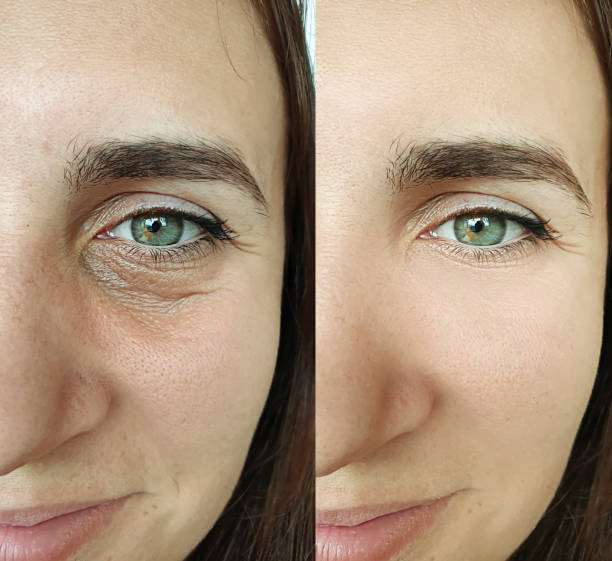
Sun exposure is one of the major environmental contributors to premature skin ageing. Ultraviolet radiation can damage collagen and elastin, the proteins that help skin maintain its structure and flexibility.
The delicate skin around the eyes is particularly vulnerable because it is often exposed to sunlight throughout the day.
Make broad-spectrum SPF 30 or higher sunscreen part of your morning routine, following the product’s instructions for safe use around the eyes. Wear sunglasses that provide 100% UVA and UVB protection, along with a hat when spending time outdoors.
If sunscreen tends to sting your eyes, look for a formula designed for sensitive skin and apply it carefully, avoiding direct contact with the eyes.
Sun protection will not erase existing fine lines, but it helps protect against further UV-related damage and supports healthier-looking skin over time.
5. Choose Eye Care Products That Match Your Needs
Your skincare needs may change as your skin becomes drier, more sensitive, or less firm. Instead of adding numerous products, focus on the concerns you actually want to address.
For example, a lightweight hydrating eye cream may suit someone experiencing dryness, while a fragrance-free formula may be more appropriate for sensitive skin.
Ingredients worth understanding include:
- Hyaluronic acid: Helps attract and retain moisture in the skin.
- Ceramides: Help support the skin’s protective barrier.
- Caffeine: May temporarily improve the appearance of puffiness in some topical formulations.
- Retinol: May help improve the appearance of fine lines over time but can irritate delicate skin and should be introduced cautiously.
Introduce new products gradually and discontinue anything that causes persistent irritation. If you have sensitive eyes or an existing skin condition, professional advice can help you choose suitable ingredients.
A simple routine that you follow consistently is often more practical than an elaborate collection of products.

6. Support Healthy-Looking Skin From Within
Skincare products are only one part of maintaining a refreshed appearance. Everyday habits can influence hydration, skin condition, and how noticeable signs of fatigue become.
Prioritise sufficient sleep, drink water regularly, eat a balanced diet, and include protein-rich foods alongside fruits and vegetables. Foods containing vitamin C, such as berries, citrus fruits, and capsicum, also contribute to normal collagen formation in the body.
Stress management and regular physical activity may help support overall wellbeing, while avoiding smoking can reduce an important source of skin-damaging exposure.
It is also worth recognising that dark circles have several possible causes. Genetics, pigmentation, visible blood vessels, allergies, and naturally hollow under-eye contours can all contribute to their appearance.
Lifestyle improvements may help when fatigue or dehydration is involved, but they will not necessarily remove dark circles caused by genetics or pigmentation.
7. Consider Kollagen Intensiv as Part of Your Beauty Routine
If your main concerns include fine lines, reduced skin firmness, or a less supple appearance, you may be interested in exploring collagen-focused beauty products alongside your regular skincare.
Kollagen Intensiv is one option to consider as part of a broader approach to skin care and healthy ageing. Before adding it to your routine, review its current ingredient list, directions for use, and available evidence to understand what the specific formulation is intended to do.
Collagen-related products should not be viewed as an instant solution for tired eyes. Their potential benefits depend on the formulation, how the product is used, and individual factors. Evidence relating to collagen supplements also varies, so benefits should not be assumed or guaranteed.
It is equally important to distinguish between products designed for topical application and those intended to be taken orally. They are used differently and should not be treated as interchangeable.
For anyone considering Kollagen Intensiv, the most sensible approach is to view it as a possible addition to an established beauty routine rather than a replacement for moisturising, sun protection, balanced nutrition, or appropriate professional advice.

Build an Eye Care Routine That Works for You
Tired-looking eyes do not always mean you need more skincare products. Often, the most useful changes involve understanding what is contributing to dryness, puffiness, dark circles, or fine lines and responding with consistent, targeted care.
Gentle hydration, daily sun protection, suitable skincare ingredients, adequate sleep, and healthy lifestyle habits can all help support a fresher appearance. Collagen-focused products such as Kollagen Intensiv may also be worth exploring, provided you understand the formulation and maintain realistic expectations.
As your skin changes, allow your routine to change with it. By focusing on hydration, protection, and consistency, you can give the delicate skin around your eyes the attention it deserves at every stage of life.
Your eye-care journey doesn’t end here. Subscribe for more helpful tips as
your eyes age.