

Have you ever looked in the mirror after a full night’s sleep and wondered why your eyes still look tired, swollen, or older than you feel? Puffy eyes can make your face appear fatigued, even when you’re feeling perfectly fine. Dark circles, fine lines, and under-eye puffiness can also become more noticeable as your skin changes with age.
While you cannot control every factor affecting your eye area, small daily habits may help your eyes look fresher, more rested, and healthier.
From your sleeping position to your hydration routine and skincare choices, several simple adjustments could make a difference in how you care for the delicate skin around your eyes.
Let’s explore seven habits worth considering, along with how collagen and skin aging fit into the bigger picture.
1. Prioritize Consistent, Quality Sleep
One of the first places to look when your eyes appear puffy is your sleep routine.
Poor sleep or an inconsistent sleep schedule can contribute to a tired-looking appearance. You may notice that your eyes look heavier, your complexion appears duller, or dark circles become more noticeable.
During sleep, your body carries out important maintenance and recovery processes. While getting enough sleep won’t automatically eliminate puffiness, maintaining a consistent routine can support your overall well-being and appearance.
Try these simple adjustments:
- Aim for a consistent bedtime and wake-up time.
- Create a relaxing routine before bed.
- Reduce screen exposure before sleeping if it interferes with your rest.
- Give yourself enough time for uninterrupted sleep.
If your eyes regularly look tired despite getting adequate sleep, other factors may be contributing.

2. Pay Attention to Your Hydration
Hydration plays an important role in maintaining healthy-looking skin.
When your body doesn’t receive enough fluids, your skin may appear less supple or radiant. However, under-eye puffiness isn’t always caused by dehydration, and drinking more water isn’t a guaranteed solution.
The skin around your eyes is particularly delicate, making changes in its appearance more noticeable.
Rather than relying on occasional large amounts of water, develop a consistent hydration routine throughout the day.
You can also include water-rich foods such as
- Cucumber
- Watermelon
- Strawberries
- Leafy vegetables
Your overall fluid needs depend on factors such as activity, climate, and individual health considerations.
The goal is to support your body’s hydration needs while taking a balanced approach to skincare.

3. Avoid Rubbing Your Eyes Frequently
Do you find yourself rubbing your eyes when you’re tired, experiencing irritation, or spending hours looking at a screen?
Repeated rubbing can irritate the delicate skin around your eyes. The area is especially sensitive, and unnecessary friction may contribute to discomfort and temporary redness.
Over time, repeated mechanical stress isn’t ideal for delicate skin.
Instead of rubbing your eyes, consider identifying what triggers the habit. Dryness, allergies, fatigue, or environmental irritants may play a role.
If you experience persistent itching, redness, swelling, or discomfort, consider discussing the symptoms with a healthcare professional.
For everyday beauty care, gentle handling is a simple habit that requires no expensive products.

4. Be Consistent With Gentle Eye-Area Skincare
The skin around your eyes can become more delicate and visibly textured as you age.
Collagen and elastin help support the structure and elasticity of skin. As collagen production naturally declines with age, fine lines, reduced firmness, and changes in skin texture may become more noticeable.
This doesn’t mean every wrinkle or puffiness issue can be solved with a skincare product.
However, a gentle skincare routine can help support the skin’s surface and protect it from unnecessary irritation.
Consider incorporating the following habits:
- Use a gentle cleanser that doesn’t leave your skin feeling stripped.
- Apply a suitable moisturizer to support skin hydration.
- Avoid aggressive rubbing when removing makeup.
- Introduce new skincare products gradually.
Look for products formulated for your skin’s needs, particularly if the eye area is sensitive.
Consistency often matters more than constantly switching between different products.

5. Protect Your Skin From Sun Exposure
Sun exposure is an important consideration when you’re concerned about premature skin aging.
Ultraviolet (UV) radiation can contribute to collagen breakdown and other changes associated with skin aging. Over time, this may affect the appearance of fine lines, uneven skin tone, and skin texture.
Although sunscreen cannot reverse existing signs of aging, protecting your skin can help reduce ongoing environmental damage.
Make sun protection part of your daily routine:
- Use broad-spectrum sunscreen as directed.
- Wear sunglasses when outdoors.
- Consider a wide-brimmed hat for additional protection.
- Seek shade during periods of intense sunlight.
When applying skincare around the eyes, follow the product’s instructions and avoid getting unsuitable products directly into your eyes.
Protecting your skin today is part of supporting its long-term appearance.
6. Review Your Evening Habits
Your evening routine can influence how your face looks the following morning.
Factors such as sleeping position, late-night meals, alcohol consumption, and individual sensitivity may affect fluid distribution and the appearance of puffiness. However, these effects vary considerably from person to person.
Some people notice that their eyes appear puffier after sleeping flat or consuming particularly salty meals. Others may experience puffiness primarily because of allergies, genetics, or natural changes in the tissues around their eyes.
Rather than assuming there’s one universal cause, pay attention to patterns.
You could try:
- Keeping a consistent evening routine.
- Avoiding known personal triggers.
- Elevating your head slightly during sleep if comfortable.
- Observing whether morning puffiness changes over time.
If swelling is persistent, one-sided, painful, or accompanied by vision changes, seek appropriate medical advice.
Understanding the cause is more useful than treating every instance of puffiness as a skincare problem.
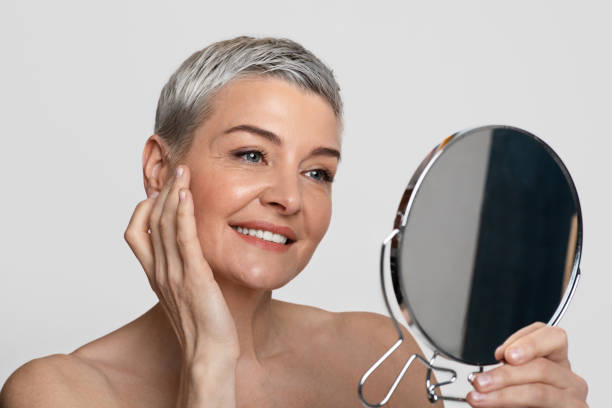
7. Consider Collagen Support as Part of Your Beauty Routine
Collagen naturally becomes a greater focus for many people as they notice fine lines, changes in skin firmness, and a less youthful-looking eye area.
Collagen is a structural protein that helps support skin strength and elasticity. As we age, the body’s collagen production decreases, contributing to changes in skin structure.
This raises an important question: Could collagen supplements play a role in an overall beauty routine?
Kollagen Intensiv is one option people may consider when exploring collagen-focused skincare support.
Collagen supplements containing hydrolyzed collagen peptides have been studied for potential effects on skin hydration, elasticity, and appearance. However, research findings vary, and results depend on factors such as the product, dosage, and individual circumstances.
Kollagen Intensiv should not be viewed as a guaranteed solution for puffy eyes, dark circles, or wrinkles. It is also important to distinguish between supporting general skin health and directly addressing the causes of under-eye swelling.
If you’re considering Kollagen Intensiv, review its ingredient information, follow the manufacturer’s directions, and consider whether it fits your personal dietary and health needs.
A collagen supplement may be one component of a broader beauty routine that also includes sun protection, adequate nutrition, hydration, and consistent skincare.
Why Your Eye Area Deserves a Complete Approach
Puffy eyes and dark circles can have multiple causes, including genetics, allergies, fluid retention, sleep patterns, and age-related changes.
That means focusing on just one habit may not address everything affecting your appearance.
A more practical approach combines several supportive habits:
- Maintain a consistent sleep schedule.
- Stay adequately hydrated.
- Protect your skin from UV exposure.
- Use gentle skincare products.
- Pay attention to changes in your eye area.
You don’t need to change everything overnight. Small, manageable improvements can help you build a routine that is easier to maintain.

Final Thoughts: Small Habits Can Support Healthier-Looking Skin
Your eye area naturally changes over time, and occasional puffiness doesn’t necessarily mean something is wrong with your skin.
While no single habit can guarantee a smoother, firmer, or less puffy appearance, making thoughtful lifestyle and skincare choices can support your overall approach to skin health.
From prioritizing sleep to protecting collagen and exploring options such as Kollagen Intensiv, the goal is to care for your skin realistically and consistently.
Healthy-looking skin isn’t about eliminating every sign of aging. It’s about developing habits that help you feel confident in the way you care for yourself.
There’s more to discover. Subscribe for helpful eye care and anti-aging tips
delivered regularly.