

Have you ever looked in the mirror and wondered why your eyes suddenly appear more tired, puffy, or lined than they used to? Even after a good night’s sleep, the delicate skin around your eyes can reveal changes that seem difficult to explain. The surprising part is that some everyday eye care habits may be contributing to the problem without you realising it.
As skin ages, it gradually loses some of its natural collagen, elasticity, and ability to retain moisture. Combined with sun exposure, stress, changing hormones, and daily routines, these changes can make fine lines, dark circles, and puffiness more noticeable.
The good news is that small adjustments to your eye care routine can help support healthier-looking skin. Here are seven common habits worth reconsidering as your skin changes, along with practical ways to care for the delicate eye area.
1. Rubbing Your Eyes Too Frequently
Rubbing your eyes might feel satisfying when they itch or feel tired, but repeated friction can irritate the delicate skin surrounding them. This area is thinner and more fragile than much of the skin on your face, making it particularly sensitive to unnecessary pulling and pressure.
Over time, frequent rubbing may contribute to irritation and make existing fine lines appear more noticeable. It can also worsen puffiness, especially when allergies or sensitivity are involved.
Instead of rubbing, try applying a cool, clean compress for several minutes. If your eyes frequently itch or water, consider whether allergies, dry eyes, or an irritating skincare product could be responsible.
When removing makeup, use a gentle cleanser and allow it to dissolve the product before wiping it away without dragging the skin.

2. Skipping Sunscreen Around Your Eyes
If you focus on protecting your cheeks and forehead but neglect the skin around your eyes, your routine may be missing an important step.
Ultraviolet radiation contributes to premature skin ageing by damaging collagen and elastin, two proteins that help skin maintain its structure and flexibility. Over time, repeated sun exposure can contribute to fine lines, uneven pigmentation, and a less firm appearance.
The eye area is particularly vulnerable because the skin is delicate and often exposed throughout the day.
Make sun protection a daily habit by:
- Applying broad-spectrum SPF 30 or higher sunscreen to the surrounding skin, following the product’s directions.
- Wearing sunglasses that provide UV protection.
- Using a broad-brimmed hat when spending time outdoors.
Choose a sunscreen suitable for the eye area and avoid getting it directly into your eyes. Consistent protection can help reduce further sun-related skin damage.
3. Expecting Hydration to Fix Every Fine Line
A moisturiser can make the skin around your eyes look smoother, but it cannot reverse every age-related change.
As skin matures, its natural moisture barrier can become less effective. Water loss may increase, leaving the surface feeling dry and making fine lines more noticeable. Hydrating ingredients, including glycerin and hyaluronic acid, can help attract and retain moisture, temporarily improving the appearance of dehydration lines.
However, deeper wrinkles and changes in skin structure have different causes.
For better results, use a gentle eye-area moisturiser suited to your skin type. Apply a small amount with your ring finger, using light tapping motions rather than stretching the skin.
Remember that hydration supports a smoother appearance, while sun protection and other consistent skincare habits help address additional contributors to visible ageing.
4. Ignoring the Effects of Collagen Loss
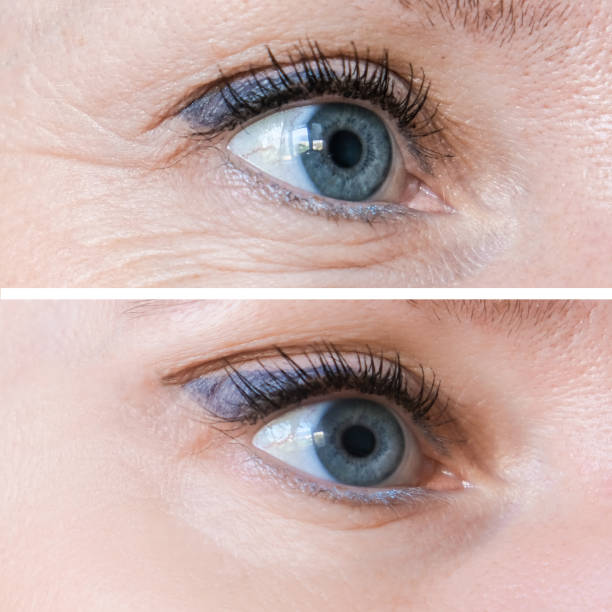
One reason your eyes may look different as you get older is the gradual decline in collagen production.
Collagen is a structural protein that helps provide skin with firmness and support. As natural production changes with age, skin may become thinner, less elastic, and more prone to visible creasing.
The delicate skin around the eyes can make these changes especially apparent. Genetics, sun exposure, smoking, and environmental stressors can influence how early or noticeably these signs develop.
Although no topical product or supplement can guarantee the restoration of lost collagen, a consistent approach to skin care can help support its overall appearance.
Prioritise daily sunscreen, avoid smoking, eat a balanced diet containing adequate protein, and choose skincare products appropriate for your needs. These habits provide a more realistic foundation for caring for ageing skin than relying on a single product.
5. Treating Sleep as an Optional Extra
If your eyes often look puffy or exhausted in the morning, your sleep routine deserves a closer look.
Insufficient sleep can affect how refreshed your face appears, while temporary fluid accumulation may contribute to under-eye puffiness. Tiredness can also make existing dark circles more noticeable, although sleep is not the only explanation for them.
Dark circles may result from genetics, pigmentation, visible blood vessels, allergies, or shadows created by changes in the under-eye area.
Aim for a consistent sleep schedule and enough rest to feel refreshed. Most adults need around seven to nine hours of sleep each night.
If morning puffiness is a recurring concern, try sleeping with your head slightly elevated and applying a cool compress after waking.
Persistent swelling, particularly when accompanied by pain, redness, or vision changes, should be assessed by a healthcare professional rather than treated as an ordinary cosmetic concern.

6. Using Too Many Strong Skincare Products
When fine lines become more visible, it is tempting to introduce several anti-ageing ingredients at once. Unfortunately, aggressive skincare can leave the delicate eye area irritated, dry, and uncomfortable.
Retinoids and exfoliating acids may benefit certain skin concerns when used appropriately, but products that are too strong or applied too close to the eyes can cause irritation.
A damaged skin barrier may make dryness and fine lines appear worse rather than better.
Keep your routine simple. Start with a gentle cleanser, a suitable moisturiser, and daily sun protection. If you introduce an active ingredient, use it cautiously and follow the product instructions.
Avoid applying products directly to the eyelids or too close to the eyes unless they are specifically intended for that area. Introduce new products individually so you can identify potential irritation before it becomes a recurring problem.
7. Overlooking Your Overall Beauty and Nutrition Routine
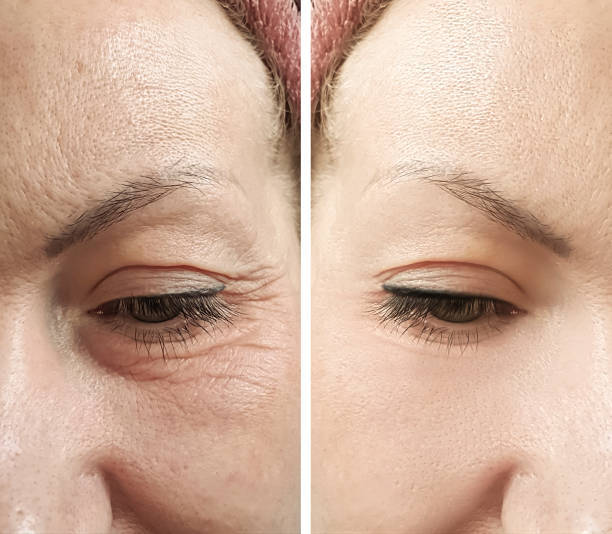
Eye creams are only one part of caring for skin that is changing with age. Your broader lifestyle and nutrition habits can also influence how healthy and refreshed your complexion appears.
Skin needs adequate nutrients, including protein, vitamin C, and other vitamins and minerals, to support normal maintenance and repair. Vitamin C, in particular, plays an essential role in the body’s natural collagen production.
Drinking enough fluids supports normal hydration, while a varied diet provides nutrients needed for healthy skin function. Regular physical activity, stress management, and avoiding smoking can also contribute to overall wellbeing.
For those interested in additional support, a collagen-focused beauty supplement may be worth considering as part of a balanced routine.
Kollagen Intensiv is one option people may explore when looking for a beauty-focused approach to supporting their skincare habits. Before adding it to your routine, review its ingredient list, serving instructions, and suitability for your individual circumstances.
Collagen-related products should be approached with realistic expectations. Evidence for oral collagen supplements suggests they may offer modest improvements in certain measures of skin hydration and elasticity, but findings vary, and benefits are not guaranteed. Results from studies of particular ingredients or formulations should not automatically be assumed to apply to every product.
A supplement should complement, rather than replace, adequate nutrition, sun protection, sleep, and appropriate skincare. If you have allergies, take medication, or have a medical condition, check with a healthcare professional before starting a new supplement.
Give Your Eye Care Routine a Fresh Start
Changes around your eyes do not necessarily mean you are doing something wrong. Genetics, natural collagen loss, sun exposure, sleep patterns, and everyday habits all influence how the delicate skin around your eyes looks over time.
Rather than trying to eliminate every fine line or dark circle, focus on the habits that make a meaningful difference: protect your skin from the sun, avoid unnecessary rubbing, moisturise consistently, choose gentle products, and give your body the nutrition and rest it needs.
You do not need a complicated routine to care for ageing skin. By reconsidering these seven habits and making gradual, sustainable improvements, you can support a healthier-looking eye area and feel more confident about how you care for your skin at every stage of life.
Want to make eye care part of your routine? Subscribe for more simple tips and
helpful advice.