
Your eyes can make you look exhausted even when you feel perfectly fine. Dark circles, under-eye puffiness, fine lines, dryness, and a generally tired appearance can gradually become more noticeable as skin changes with age. And sometimes, adding another eye cream to your routine simply doesn’t seem to make much difference.
The good news is that the way your eyes look isn’t determined by skincare alone. Sleep, hydration, sun exposure, daily habits, and the natural decline in collagen and skin elasticity can all play a role.
If your goal is to make tired-looking eyes appear fresher and more awake, these seven simple habits are worth making part of your everyday routine.
1. Prioritize Consistent, Quality Sleep
One of the quickest ways for your eyes to look tired is simply not getting enough sleep.
Poor or inconsistent sleep can make dark circles and puffiness appear more noticeable. When you’re tired, the skin around your eyes may also look duller, making fine lines and shadows more visible.
Rather than focusing only on getting extra sleep occasionally, aim for a consistent sleep schedule whenever possible.
A relaxing evening routine, reducing screen time before bed, and keeping your bedroom comfortable can all help support better sleep habits.
2. Keep Your Skin Properly Hydrated
Dry skin can make the area around your eyes look older and more tired than it actually is.
When skin loses moisture, fine lines can become more noticeable and the surface can appear less smooth. The delicate skin around the eyes is particularly prone to showing these changes.
Drinking enough water throughout the day is important, but hydration isn’t only about what you drink. A gentle moisturizer can also help support the skin barrier and reduce the appearance of dryness.
Look for skincare products designed for the delicate eye area and avoid harsh rubbing or excessive cleansing.

3. Protect Your Eyes From Everyday Sun Exposure
Sun exposure is one of the biggest environmental factors affecting the appearance of aging skin.
Repeated exposure to ultraviolet radiation can contribute to changes in collagen and elastin, the proteins that help skin maintain its structure and flexibility. Over time, this can contribute to fine lines, uneven pigmentation, and a less youthful-looking appearance.
Make sun protection a daily habit rather than something reserved for beach days.
Consider:
- Wearing sunglasses outdoors
- Using broad-spectrum sunscreen
- Wearing a hat when spending extended time outside
- Avoiding unnecessary prolonged sun exposure
Protecting your skin today can help support its appearance as it ages.
4. Stop Rubbing Your Eyes So Much
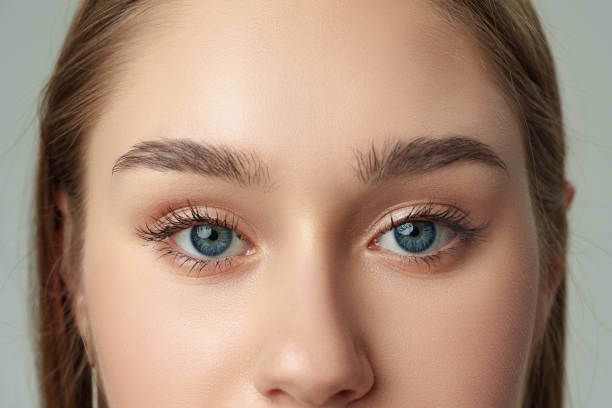
It can be tempting to rub your eyes when you’re tired, itchy, or dealing with allergies. However, frequent rubbing can be rough on the delicate skin surrounding the eyes.
The skin in this area is thinner and more fragile than much of the skin on your face. Repeated pulling and rubbing may contribute to irritation and make the area look temporarily red or swollen.
Instead, treat the cause of the irritation where possible and handle the eye area gently when cleansing or applying skincare.
A lighter touch can make a surprisingly big difference to your daily eye-care routine.

5. Pay Attention to Your Overall Nutrition
Your skin reflects more than the products you put on it.
A balanced diet provides nutrients needed for normal skin maintenance and overall health. Protein, fruits, vegetables, healthy fats, and a variety of nutrient-rich foods can all have a place in a sensible beauty routine.
Collagen production also naturally changes with age. The body produces less collagen over time, which is one reason skin gradually loses some of its firmness and elasticity.
This doesn’t mean that one particular food or supplement can suddenly reverse visible aging. Instead, think of nutrition as one part of a broader approach to supporting healthy-looking skin.
6. Give Your Eyes a Break From Screens
Long periods of screen use can leave your eyes feeling strained, dry, or uncomfortable.
While screen time isn’t the sole cause of dark circles or wrinkles, staring at a screen for hours can contribute to tired-feeling eyes and may encourage you to squint or rub them.
Try making short breaks part of your workday. Look away from the screen regularly, adjust your screen brightness and position, and remember to blink normally.
Small changes are easier to maintain when they become habits rather than occasional fixes.
7. Consider Collagen Support as Part of Your Beauty Routine
As skin ages, declining collagen levels can contribute to changes in firmness, elasticity, and the appearance of fine lines. This is one reason collagen has become such a popular ingredient and supplement category in beauty routines.
Kollagen Intensiv can be considered as one option for people who want to include collagen support in their overall approach to skin care.
Rather than viewing it as a quick solution for tired eyes, it makes more sense to think about it as part of a broader beauty routine that includes adequate sleep, hydration, nutrition, sun protection, and consistent skincare.
Collagen supplements may help support skin-related goals for some people, but individual results can vary. They shouldn’t be viewed as a guaranteed way to remove wrinkles, dark circles, or puffiness.
The most useful approach is to combine realistic expectations with habits that support your skin over time.

Why Your Eyes Can Look Older Even When You Feel Young
It’s easy to assume that tired-looking eyes are simply caused by lack of sleep. Sometimes they are, but several factors can overlap.
Genetics can influence dark circles and the natural shape of the area beneath the eyes. Aging can gradually reduce collagen and elasticity. Dehydration can make fine lines more noticeable, while sun exposure and lifestyle habits can contribute to cumulative changes in the skin.
This is why chasing one problem with one product isn’t always the best strategy.
A healthier approach is to look at the complete picture and build a routine that supports your skin consistently.
A Better Approach to Fresher-Looking Eyes
You don’t need an extremely complicated routine to take better care of the skin around your eyes.
Start with the basics: sleep well, stay hydrated, protect your skin from the sun, avoid unnecessary rubbing, eat a balanced diet, take regular breaks from screens, and consider whether collagen support fits into your personal beauty routine.
Tired-looking eyes are often influenced by several factors at once. By addressing those factors consistently, you can create better conditions for your skin to maintain a smoother, healthier-looking appearance as you get older.
The goal isn’t to make your eyes look completely different overnight. It’s to develop simple habits that support the way your skin looks and feels over the long term.
Clinically Proven: 354% Wrinkle Reduction ⭐⭐⭐⭐⭐
Don’t stop here. Subscribe for more practical tips on caring for your eyes as
they age.