

Have you ever looked in the mirror and noticed that your eyes appear more tired than you actually feel? Dark circles, puffiness, fine lines and a loss of firmness around the eyes can gradually become more noticeable as your skin matures. Even after a good night’s sleep, the delicate skin around your eyes may not look as refreshed as you would like.
The good news is that a few simple changes to your daily routine can help your eye area look healthier, smoother and more refreshed. While no skincare routine can stop the natural ageing process, consistent care, good hydration and healthy lifestyle habits can make a meaningful difference to the appearance of mature skin.
Here are seven everyday eye care tips worth incorporating into your beauty routine.
1. Keep the Delicate Eye Area Well Hydrated
One of the simplest ways to care for mature skin is to maintain adequate hydration. The skin around your eyes is naturally thinner than much of the skin on your face, making it particularly susceptible to dryness and the appearance of fine lines.
As skin ages, its ability to retain moisture can change. When the skin becomes dehydrated, small creases may appear more pronounced, leaving the eye area looking tired.
Choose a gentle, fragrance-free moisturiser formulated for the eye area. Ingredients such as hyaluronic acid and glycerin can help attract and retain moisture, giving the skin a temporarily plumper appearance.
Apply your moisturiser carefully using your ring finger and a light tapping motion. Avoid pulling or rubbing the delicate skin, as repeated friction can cause irritation.
Remember that drinking enough water supports your overall health, but applying a suitable moisturiser also helps address moisture loss directly at the skin’s surface.

2. Protect Your Eyes From Sun Damage
Sun exposure is one of the major contributors to premature skin ageing. Ultraviolet radiation can damage collagen and elastin, the proteins that help keep skin firm, flexible and resilient.
Over time, cumulative sun exposure can contribute to fine lines, uneven pigmentation and a loss of elasticity around the eyes.
Make sun protection part of your morning routine by:
- Applying broad-spectrum SPF 30 or higher sunscreen to exposed skin.
- Wearing sunglasses that provide 100% UVA and UVB protection.
- Using a wide-brimmed hat when spending time outdoors.
- Reapplying sunscreen as directed, particularly after swimming or sweating.
Choose a sunscreen suitable for your skin and avoid getting it directly into your eyes.
Protecting mature skin consistently is one of the most useful long-term steps you can take to maintain a healthier-looking eye area.
3. Reduce Morning Puffiness With a Cool Compress
Waking up with puffy eyes can be frustrating, especially when you want to look bright and refreshed. Puffiness can result from temporary fluid retention, a salty evening meal, allergies, hormonal changes or sleeping position.
A simple cool compress may help reduce the appearance of mild morning puffiness.
Soak a clean washcloth in cool water, wring it out, and gently place it over your closed eyes for several minutes. Avoid applying ice directly to the skin, as extreme cold can cause irritation or injury.
You can also try sleeping with your head slightly elevated to help limit fluid accumulation around the eyes overnight.
If puffiness is persistent, painful, one-sided or accompanied by redness or changes in vision, seek medical advice rather than assuming it is simply an effect of ageing.
4. Get Consistent, Quality Sleep
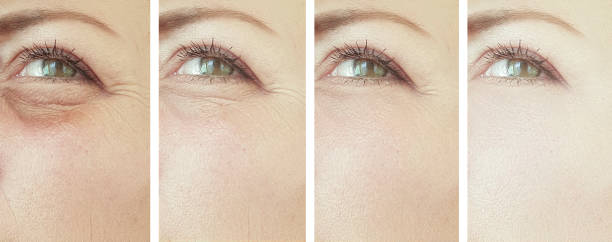
Sleep plays an important role in how your skin looks and feels. When you regularly get too little sleep, you may notice more pronounced under-eye shadows, puffiness and a generally tired appearance.
Although sleep cannot eliminate genetic dark circles or reverse established wrinkles, a consistent sleep schedule can help reduce some factors that make the eye area look fatigued.
For many adults, aiming for seven to nine hours of sleep each night is a useful starting point.
To support better sleep:
- Keep your bedtime and wake-up time reasonably consistent.
- Reduce screen use before bed if it interferes with falling asleep.
- Keep your bedroom cool, dark and comfortable.
- Limit late-day caffeine if it affects your sleep.
Dark circles have several possible causes, including genetics, pigmentation, visible blood vessels and natural changes in facial structure. Better sleep may help when tiredness contributes to their appearance, but it will not resolve every cause.
5. Support Collagen and Skin Elasticity
Collagen is a structural protein that helps give skin its strength and firmness. As we age, natural collagen production declines, while existing collagen fibres can become damaged by sun exposure and other environmental factors.
These changes contribute to thinner-looking skin, fine lines and reduced elasticity. Around the eyes, where the skin is particularly delicate, these changes may become noticeable earlier than in other areas.
You cannot completely prevent age-related collagen loss, but you can support your skin through a balanced diet containing adequate protein, vitamin C and other essential nutrients.
Foods such as eggs, fish, legumes, citrus fruits, berries and leafy green vegetables can contribute to a nutrient-rich eating pattern.
Some women also explore collagen supplements as an additional part of their beauty routine. Research into oral collagen peptides suggests that certain formulations may offer modest improvements in skin hydration and elasticity, although study quality varies and results are not guaranteed. Evidence does not establish that every collagen product will reduce under-eye wrinkles or dark circles specifically.
A realistic approach combines healthy habits, sun protection and appropriate skincare rather than relying on one ingredient to do everything.

6. Be Gentle With Makeup Removal and Skincare
The eye area deserves a lighter touch, particularly as mature skin becomes more delicate or prone to dryness.
Rubbing firmly to remove mascara, tugging at the eyelids or applying harsh skincare products can cause irritation and make the area feel uncomfortable.
Use a gentle makeup remover suitable for the eyes and allow it time to dissolve makeup before wiping it away. Avoid rubbing back and forth repeatedly.
When introducing products containing retinoids or other active ingredients, start cautiously and follow the product instructions. These ingredients can irritate the delicate eye area if used incorrectly. Retinoids also require special precautions during pregnancy.
If your eyes are sensitive, look for fragrance-free products and introduce one new product at a time so you can identify any reaction.
A simple, consistent routine is often more useful than constantly switching between multiple products in search of immediate results.
7. Consider Kollagen Intensiv as Part of Your Beauty Routine
For women who want to take a broader approach to mature skin, Kollagen Intensiv may be an option worth considering alongside everyday skincare and healthy lifestyle choices.
Collagen-focused beauty products appeal to women concerned about visible signs of ageing, including fine lines, reduced firmness and changes in skin texture.
When evaluating Kollagen Intensiv, check the current product label for its ingredients, recommended use, serving instructions and any relevant warnings. Understanding exactly what a product contains helps you decide whether it fits your personal needs and budget.
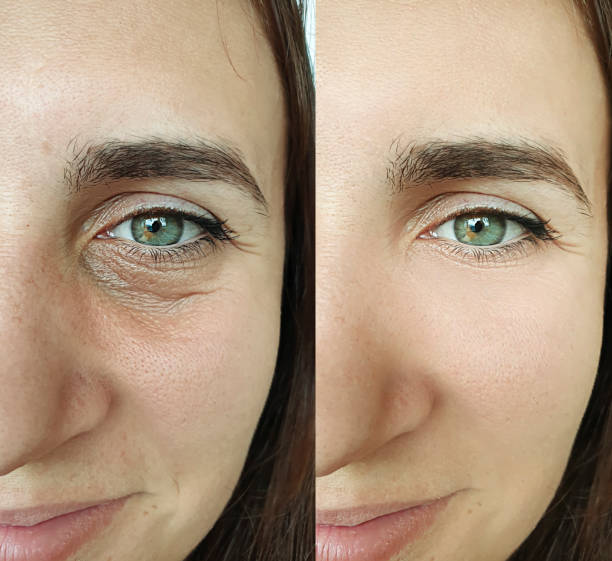
It is also important to keep expectations realistic. A collagen-focused product should not be viewed as a guaranteed solution for dark circles, under-eye bags or wrinkles. These concerns can have different causes, and a supplement cannot replace sunscreen, moisturising, adequate sleep or appropriate medical care.
If you are considering an oral collagen product, remember that results from studies of collagen peptides depend on the specific formulation, dosage and duration of use. Evidence for one formulation cannot automatically be applied to another.
For women who choose to include Kollagen Intensiv in their overall beauty routine, consistency and patience are sensible principles. Pay attention to how your skin responds, and consider the product as one possible part of a broader approach to skin wellness rather than a replacement for established skincare habits.

Give Your Eyes Consistent Care as Your Skin Matures
Tired-looking eyes, puffiness, dark circles and fine lines are common concerns for women with mature skin, but they do not all have the same cause. Hydration, sun protection, quality sleep, gentle skincare and a balanced diet can all contribute to a healthier-looking eye area.
The most effective routine is one you can maintain comfortably every day. Small, consistent habits are generally more sustainable than complicated skincare regimens or products that promise dramatic overnight changes.
As your skin changes over time, focus on protecting its health, supporting its natural moisture balance and choosing products carefully. With realistic expectations and a little daily attention, you can help your eyes look refreshed while embracing the natural beauty of mature skin.
Stay ahead of common signs of aging around the eyes. Subscribe for more
helpful tips and advice.