

Have you ever looked in the mirror after a full night’s sleep and wondered why your eyes still look tired? Dark circles, puffiness, fine lines, and dull-looking skin around the eyes can make you appear less refreshed than you feel. And while reaching for another eye cream might seem like the obvious solution, the appearance of your under-eye area can be influenced by much more than your skincare products.
The skin beneath your eyes is delicate and naturally thinner than much of the skin on your face. As you age, changes in collagen, skin elasticity, hydration, and facial structure can make this area look different. Everyday habits, including sleep quality, sun exposure, and how you care for your skin, can also play a role.
The good news is that small, consistent changes may help your under-eye area look healthier and more refreshed over time. Here are seven daily habits worth incorporating into your beauty routine.
1. Start Your Day by Hydrating Your Skin
One of the simplest ways to support a fresher-looking complexion is to keep your skin properly hydrated. When the skin becomes dehydrated, fine lines may appear more noticeable, and the area beneath your eyes can look less smooth.
Hydration involves more than drinking water. Your skin also benefits from products that help attract and retain moisture.
Consider these everyday steps:
- Drink water regularly throughout the day.
- Apply a gentle moisturiser suitable for the delicate eye area.
- Avoid harsh cleansers that leave your skin feeling tight or dry.
- Apply skincare products gently rather than rubbing them into the skin.
Hydration will not eliminate every wrinkle or dark circle, but it can help improve the appearance of dryness and temporarily soften the look of fine lines.

2. Make Quality Sleep a Beauty Priority
A busy schedule, late nights, and inconsistent sleeping patterns can leave your eyes looking tired the following morning. Insufficient sleep may contribute to puffiness and make existing dark circles more noticeable.
Aim for a consistent sleep schedule and give yourself enough time to rest. Most adults need around seven to nine hours of sleep each night, although individual needs vary.
You can also create a more relaxing bedtime routine by reducing screen time before bed, keeping your bedroom comfortable, and avoiding excessive caffeine late in the day.
If you wake up with puffy eyes, try sleeping with your head slightly elevated. This may help reduce fluid accumulation around the eyes overnight.
Remember that sleep is not a complete solution for under-eye concerns. Genetics, pigmentation, allergies, and natural facial structure can also influence how this area looks.
3. Protect the Delicate Eye Area from Sun Exposure
Sun exposure is an important factor in visible skin ageing. Ultraviolet radiation can contribute to collagen breakdown, uneven pigmentation, and the development of fine lines.
Collagen is a structural protein that helps support the skin. As natural collagen production changes with age, skin can gradually lose some of its firmness and elasticity. Repeated UV exposure can accelerate visible signs of ageing.
Daily sun protection is therefore an important part of maintaining healthier-looking skin.
Choose a broad-spectrum sunscreen with at least SPF 30, and apply it carefully according to the product instructions. Use a formula suitable for the eye area, avoiding direct contact with your eyes. Sunglasses and a wide-brimmed hat provide additional protection.
This habit is particularly useful if you spend a lot of time outdoors, drive frequently, or live in a sunny climate.
Preventing further sun damage is generally more practical than trying to reverse years of exposure later.

4. Use Gentle Skincare Instead of Rubbing Your Eyes
The skin around your eyes is easily irritated by aggressive cleansing, frequent rubbing, and unsuitable skincare products. These habits can contribute to irritation and make the area look red, swollen, or temporarily darker.
When removing makeup, use a gentle cleanser or makeup remover designed for the eye area. Allow the product to loosen makeup before wiping it away softly.
A few useful habits include:
- Avoid pulling or stretching the skin when applying products.
- Use your ring finger to gently pat eye cream on if that feels comfortable.
- Introduce active skincare ingredients gradually.
- Stop using products that cause burning, persistent redness, or irritation.
If you regularly experience itchy eyes or swelling, allergies may be contributing to the problem. Addressing the underlying trigger can be more helpful than adding another cosmetic product.
Gentle care will not prevent all age-related changes, but it can help protect the skin barrier and make your daily routine more comfortable.

5. Choose Foods That Support Healthy Skin
Your skin relies on a balanced supply of nutrients to maintain its normal structure and function. While no single food can erase dark circles or restore lost collagen overnight, a varied diet can support overall skin health.
Protein provides amino acids used by the body to build and maintain tissues, including collagen. Vitamin C is also essential for normal collagen formation.
Try including a variety of foods such as:
- Eggs, fish, beans, lentils, and other protein sources.
- Citrus fruits, berries, capsicum, and other vitamin C-rich produce.
- Nuts, seeds, and healthy sources of dietary fats.
- Colourful vegetables that supply a range of vitamins and minerals.
A balanced diet is more valuable than relying on one supposed beauty food. It supports your body consistently rather than promising a quick cosmetic fix.
If your under-eye area looks persistently pale or unusually dark, particularly alongside other symptoms, speak with a healthcare professional rather than assuming the cause is simply ageing.
6. Reduce Habits That Can Leave Your Eyes Looking Tired
Some lifestyle factors can affect how refreshed your face looks from day to day. Stress, inconsistent sleep, smoking, and excessive alcohol consumption may all work against your broader skin-health goals.
Alcohol can contribute to dehydration, while smoking is associated with damage to the skin’s supporting structures and premature visible ageing. Ongoing stress can also interfere with sleep and make healthy routines harder to maintain.
You do not need to change everything at once. Start with one or two realistic improvements.
For example, take short breaks during a demanding day, establish a regular bedtime, avoid smoking, and moderate alcohol consumption. If your eyes feel puffy after waking, a clean, cool compress may temporarily soothe the area.
These habits cannot change inherited facial features, but they can help you build a more consistent foundation for looking and feeling refreshed.

7. Consider a Collagen-Focused Beauty Routine
Even with good sleep, hydration, and sun protection, the under-eye area may gradually develop fine lines and lose some of its youthful-looking firmness. This is a normal part of ageing, partly associated with changes in collagen and elastin, the proteins that help give skin its structure and flexibility.
That is why some people look beyond topical skincare and explore collagen-focused beauty products as part of their overall routine.
Kollagen Intensiv is one option that beauty-conscious individuals may consider when researching products aimed at improving the appearance of ageing skin. It can be considered alongside everyday skincare and lifestyle habits rather than as a replacement for them.
When evaluating any product, it is important to understand what it contains, how it is intended to be used, and what evidence supports its claims. Individual results can vary, and no product should be expected to eliminate dark circles, puffiness, or under-eye wrinkles completely.
A sensible beauty routine focuses on several complementary habits: moisturising the skin, protecting it from UV exposure, getting sufficient sleep, eating a balanced diet, and choosing products that suit your needs.
This approach keeps your expectations realistic while allowing you to explore options that fit your personal skincare goals.
Why Consistency Matters More Than Quick Fixes
It is tempting to search for an overnight solution when your under-eye area looks tired. However, many common concerns have different causes, so the most useful approach depends on what is contributing to their appearance.
For example, dehydration may make fine lines more visible, while pigmentation can create persistent dark circles. Puffiness may be associated with sleep, fluid retention, allergies, or natural changes around the eyes. Loss of collagen and changes in facial structure can also create shadows that resemble dark circles.
Understanding these differences helps you choose habits and products more thoughtfully.
Give your routine time to become consistent, and pay attention to how your skin responds. If you experience sudden swelling, persistent irritation, pain, or a noticeable change affecting only one eye, seek medical advice.
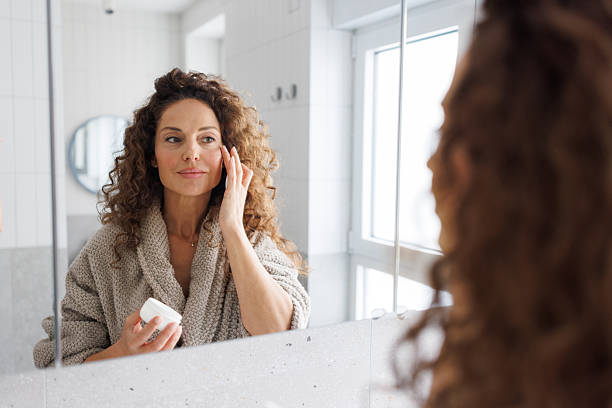
Final Thoughts: Small Habits for a Fresher-Looking Under-Eye Area
A fresher-looking under-eye area does not necessarily require an elaborate skincare routine. Often, the most practical starting point is to focus on the habits you can maintain every day.
Prioritise hydration, get adequate sleep, protect your skin from the sun, handle the eye area gently, eat a balanced diet, and make lifestyle choices that support healthy skin. If you are interested in collagen-focused skincare, consider options such as Kollagen Intensiv as one possible part of a broader beauty routine.
Remember that dark circles, puffiness, and fine lines are not always signs that you are doing something wrong. Genetics and natural ageing play important roles, too.
Rather than chasing perfection, aim to keep your skin comfortable, protected, and well cared for. Consistent, realistic habits offer a more sustainable foundation for a healthy-looking complexion and eyes that appear as refreshed as possible.
Keep discovering better ways to care for your eyes. Subscribe for more helpful
advice.