

Have you ever looked in the mirror after a full night’s sleep and wondered why your eyes still look tired?
Perhaps you’ve noticed dark circles that seem more noticeable than before, puffiness that takes hours to settle, or tiny lines appearing around the corners of your eyes.
Here’s something many women overlook: the appearance of your eye area isn’t determined by age alone. Your everyday habits can also influence how refreshed, smooth, and healthy your skin looks.
The delicate skin surrounding your eyes responds to everything from hydration and sleep quality to sun exposure and natural collagen loss.
Fortunately, improving your daily eye care routine doesn’t have to involve complicated treatments or an overflowing bathroom cabinet.
These seven practical habits can help you care for tired-looking eyes while supporting healthier-looking skin as you age.
1. Start Your Morning With Gentle Hydration
The skin around your eyes is thinner and more delicate than much of the skin on your face.
Because of this, dehydration can make fine lines appear more noticeable and leave the eye area looking less supple.
Start your morning by drinking water and applying a gentle, fragrance-free moisturiser around the orbital bone.
Look for skincare ingredients such as:
- Hyaluronic acid: Helps attract and retain moisture.
- Glycerin: Supports skin hydration and softness.
- Ceramides: Help maintain the skin’s protective barrier.
Remember that drinking water supports normal body functions, while topical moisturisers directly help reduce moisture loss from the skin.
Consistent hydration can make the eye area appear smoother and more comfortable.

2. Give Puffy Eyes a Calming Morning Routine
Morning puffiness is one of the most common reasons eyes appear tired.
Fluid can temporarily accumulate around the eyes overnight, particularly after salty meals, disrupted sleep, or certain sleeping positions.
Instead of immediately reaching for multiple skincare products, try a simple cooling routine.
Place a clean, cool compress over your closed eyes for several minutes. Avoid applying ice directly to the skin.
You can also gently pat moisturiser around your eyes using your ring finger, taking care not to pull or stretch the skin.
The goal isn’t to eliminate every sign of puffiness. It’s to create a calmer, more comfortable start to your morning.
Persistent, painful, or sudden swelling deserves medical attention rather than another cosmetic treatment.
3. Protect Your Eye Area From Everyday Sun Exposure
One of the most valuable anti-ageing eye care habits is also one of the easiest to overlook.
Daily ultraviolet exposure contributes to collagen breakdown and changes in skin elasticity.
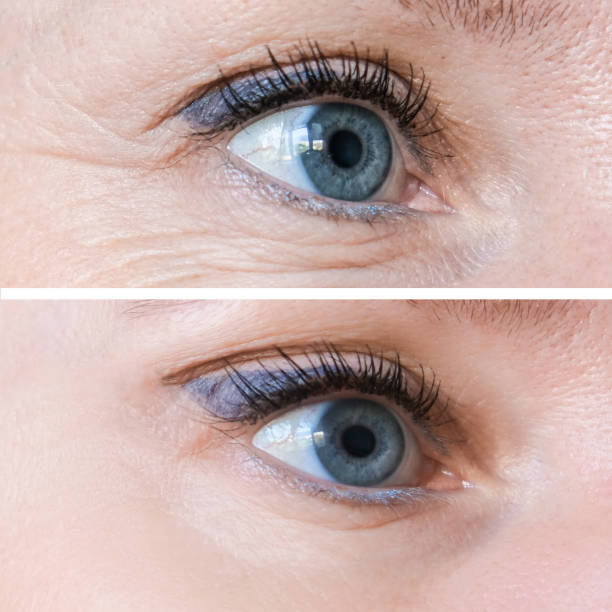
Over time, these changes can make fine lines, uneven pigmentation, and wrinkles around the eyes more noticeable.
Make sun protection part of your morning routine, even when the weather looks cloudy.
Choose a broad-spectrum SPF 30 or higher sunscreen suitable for sensitive facial skin, and apply it carefully around the eye area according to its directions.
Sunglasses with UV protection provide additional coverage and can reduce squinting in bright sunlight.
A wide-brimmed hat offers another useful layer of protection.
These small habits help protect the collagen and elastin structures that contribute to firmer-looking skin.
4. Pay Attention to How You Remove Eye Makeup
Your evening makeup removal routine may be affecting your eye area more than you realise.
Waterproof mascara, eyeliner, and long-wearing cosmetics sometimes require extra effort to remove.
Unfortunately, repeated rubbing and tugging can irritate delicate skin.
Try soaking a soft cotton pad with a gentle eye makeup remover, holding it briefly against closed eyelids, and wiping carefully without scrubbing.
Follow with a mild cleanser when needed.
Avoid harsh exfoliating products close to your eyes unless specifically formulated for that area.
A gentle approach helps preserve the skin barrier and reduces unnecessary irritation.
Healthy-looking skin often benefits more from consistent, careful treatment than aggressive cleansing.

5. Understand Why Collagen Matters Around Your Eyes
Collagen is an important structural protein that helps give skin strength and support.
As we age, collagen production gradually declines, while accumulated sun exposure and other environmental influences contribute to changes in skin texture.
The eye area may show these changes earlier because its skin is naturally delicate.
You might notice:
- Fine lines becoming more visible.
- Skin appearing thinner or less firm.
- Reduced elasticity around the outer corners.
- Dryness making existing wrinkles more noticeable.
Although no cosmetic cream can completely reverse natural skin ageing, a thoughtful skincare routine can help improve hydration and the appearance of skin texture.
This is where choosing products that complement your daily habits becomes important.
6. Consider a Collagen-Focused Skincare Product
Once you’ve established the basics of hydration, gentle cleansing, and sun protection, you may want to explore additional skincare options.
One product some women consider is Kollagen Intensiv, a cosmetic skincare cream marketed for concerns associated with ageing skin, including the appearance of wrinkles and changes in firmness.
Its appeal lies in the idea of incorporating a collagen-focused product into an existing beauty routine rather than relying on numerous separate treatments.
However, it’s important to understand what topical skincare can realistically accomplish.
A moisturising cream may help skin feel softer, improve surface hydration, and temporarily reduce the visibility of fine lines associated with dryness.
That doesn’t necessarily mean it replaces collagen lost through ageing or rebuilds deeper skin structures.
Results also depend on the product’s formulation, individual skin characteristics, and consistent use.

Why Might Someone Consider Kollagen Intensiv?
For someone concerned about ageing skin, Kollagen Intensiv may be worth considering as one part of a broader skincare approach.
The key is maintaining realistic expectations.
Before incorporating any new cream, review its ingredients, check whether it is suitable for your skin type, and follow the manufacturer’s application instructions.
Because the eye area is particularly sensitive, avoid applying products too close to the eyes unless they are specifically intended for that use.
Patch testing is sensible, especially if your skin reacts easily to cosmetics.
Ultimately, a skincare product should support good daily habits, not replace them.
7. Make Rest and Recovery Part of Your Beauty Routine
Your evening habits can influence how refreshed your eyes appear the following morning.
Poor sleep may contribute to a tired appearance, while allergies, genetics, pigmentation, and facial anatomy can also affect dark circles.
Aim for a consistent sleep schedule and approximately seven to nine hours of sleep if you’re an adult.
Consider reducing screen use before bedtime, limiting late-night salty snacks, and keeping your bedroom comfortable.
If you regularly wake with puffy eyes, slightly elevating your head while sleeping may help reduce overnight fluid accumulation.
A balanced diet containing adequate protein, vitamin C, and other essential nutrients also supports normal collagen production and overall skin health.
None of these habits guarantees wrinkle-free skin, but together they provide a sensible foundation for looking after your appearance.

The Secret to Fresher-Looking Eyes Is Consistency
A brighter, more rested-looking eye area rarely comes from one dramatic change.
It’s usually the result of small decisions repeated over time.
Gentle hydration, thoughtful makeup removal, daily sun protection, adequate rest, and realistic skincare choices can all contribute to healthier-looking skin.
Products such as Kollagen Intensiv may have a place in a personal beauty routine, but the most dependable starting point is understanding what your skin needs and treating it consistently.
And remember, dark circles, fine lines, and natural changes around your eyes are not necessarily signs that you’re doing something wrong.
They’re part of the complex relationship between genetics, lifestyle, and ageing.
The best daily eye care routine isn’t the most complicated one. It’s the one you can maintain comfortably while helping your skin look and feel its best.
Don’t miss the next tip. Subscribe for more simple advice on caring for your
eyes as you age.