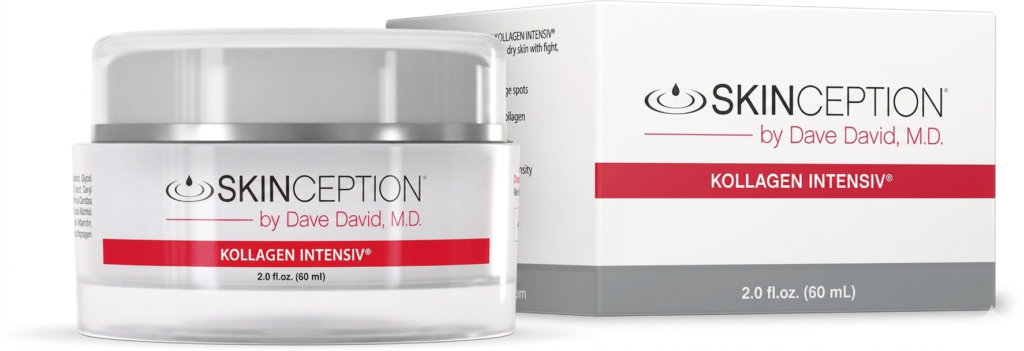
Why your eyes can look tired even when you feel rested—and what may help your eye area look fresher, smoother, and more youthful.
Have you ever looked in the mirror and thought, “Why do my eyes look so tired?” — even after getting a reasonable night’s sleep?
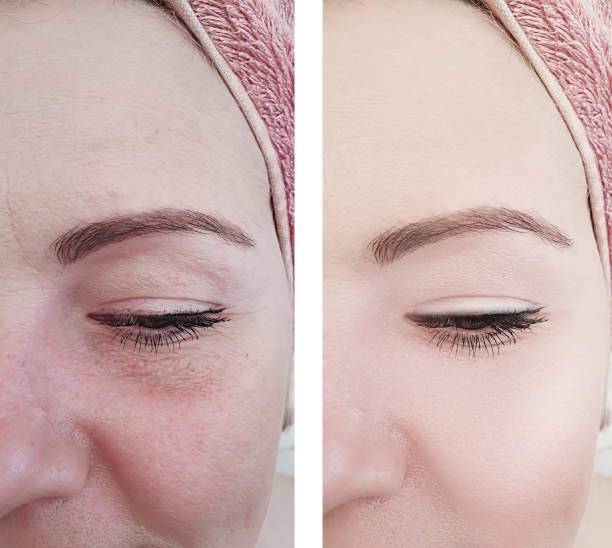
A tired-looking eye area isn’t always caused by lack of sleep. The skin around the eyes is delicate, and several everyday factors can make dark circles, puffiness, fine lines, dryness, and a generally worn-out appearance more noticeable.
The good news is that understanding why your eye area looks tired is the first step toward improving the way it looks.
Here are seven common reasons your eyes may be giving you a more tired appearance than you actually feel.
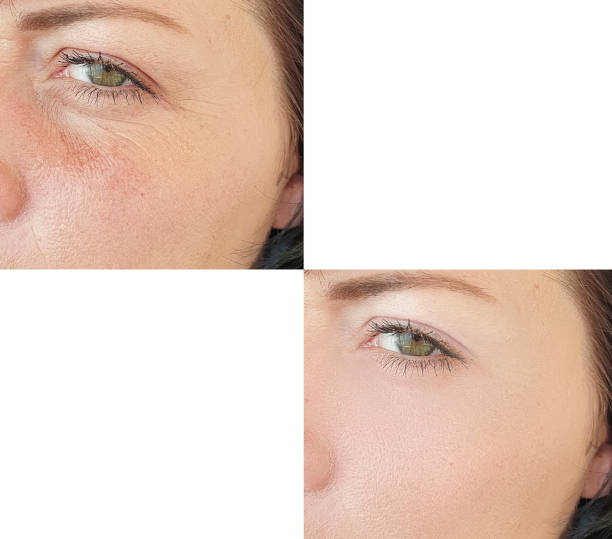
1. Your Skin Is Losing Collagen
One of the biggest changes that happens as we age is a gradual decline in collagen production.
Collagen helps provide structure and firmness to the skin. As collagen levels naturally decrease, skin can become thinner and less resilient. Around the eyes, where the skin is already particularly delicate, this can make fine lines and a less firm appearance more noticeable.
This is one reason someone can look tired even when they aren’t tired at all.
Supporting healthy-looking skin from within can therefore be an important part of an overall skincare routine.
2. Dehydrated Skin Can Make Fine Lines Stand Out
Dry or dehydrated-looking skin can change the appearance of the eye area surprisingly quickly.
When the skin lacks moisture, fine lines may appear more pronounced, and the surface can look dull rather than smooth and refreshed. The delicate skin around the eyes can make this especially obvious.
Hydration matters both inside and outside your skincare routine. Drinking enough water and using appropriate moisturizing skincare can help support a healthier-looking complexion.
But hydration isn’t the only factor.
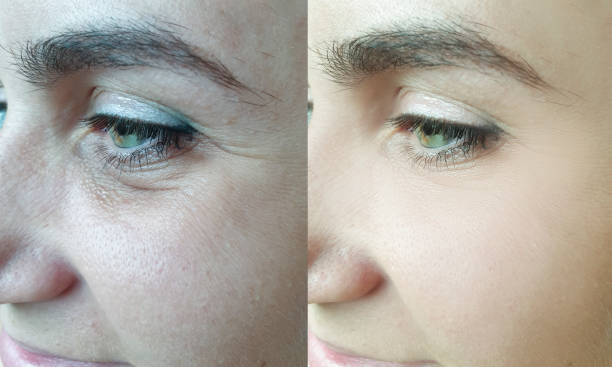
3. Dark Circles Can Create A Constantly Tired Appearance
Dark circles are one of the most common reasons people feel their eyes look tired.
There isn’t one universal cause. Genetics, skin thickness, pigmentation, visible blood vessels, lifestyle factors, and the natural changes that happen with age can all contribute to the appearance of darkness beneath the eyes.
Even if the rest of your face looks refreshed, noticeable darkness around the eyes can make your entire face appear more fatigued.
That’s why simply applying another layer of concealer doesn’t always address the reason the area looks tired.
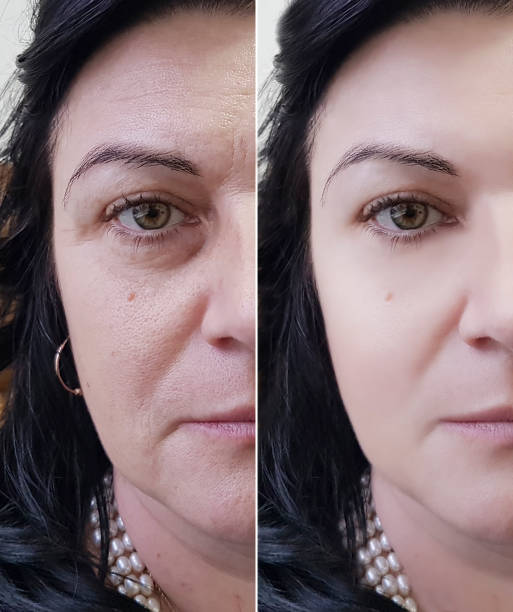
4. Puffiness Can Change The Shape Of The Eye Area
Another common culprit is under-eye puffiness.
Temporary puffiness can be influenced by factors such as sleep patterns, fluid retention, allergies, diet, and other everyday circumstances. As we get older, changes in the skin and tissues around the eyes can also affect their appearance.
When the area beneath the eyes looks swollen or puffy, it can create shadows that make the eyes appear heavier and more tired.
Paying attention to sleep, hydration, and lifestyle habits can be helpful starting points.
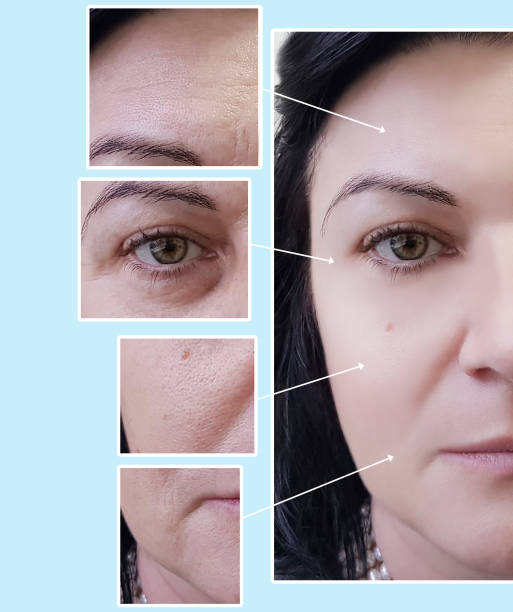
5. Too Much Screen Time May Make Your Eyes Look Worn Out
Modern life means many of us spend hours looking at phones, tablets, and computer screens.
Extended screen use can contribute to eye strain and dryness, particularly when we forget to blink regularly or spend long periods focusing on a screen without taking breaks.
While screen time isn’t necessarily responsible for every visible change around your eyes, frequent eye strain can certainly make you feel and look more worn out.
Simple habits such as taking regular screen breaks and consciously blinking more often can help reduce everyday visual fatigue.
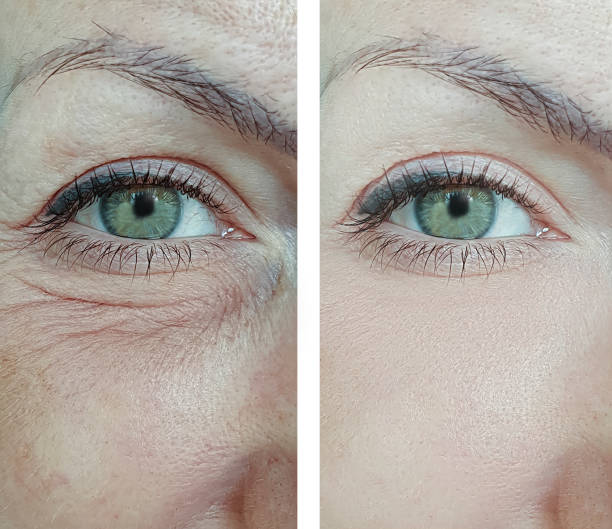
6. Sun Exposure Can Accelerate Visible Skin Aging
Your eye area deserves protection from the sun just as much as the rest of your face.
Repeated UV exposure contributes to visible skin aging and can affect the appearance of fine lines, uneven pigmentation, and skin texture over time.
Because the skin around the eyes is so delicate, protecting it should be part of a long-term approach to maintaining a youthful-looking appearance.
A broad-spectrum sunscreen, sunglasses, and sensible sun protection can all play a role.
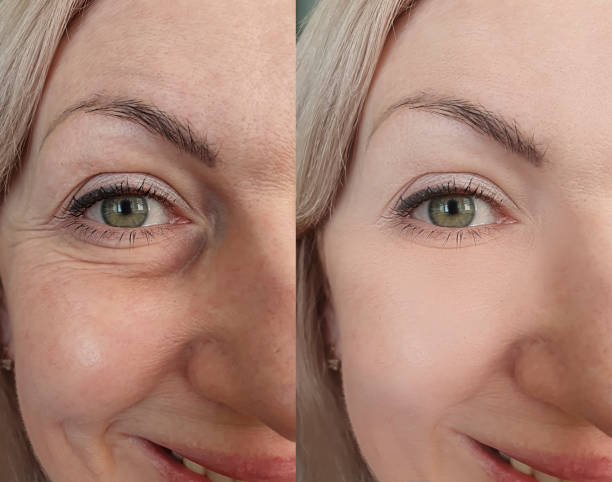
7. Your Skincare Routine May Be Missing The Bigger Picture
It’s easy to focus entirely on what you can see on the surface.
You might try an eye cream for dark circles, another product for wrinkles, and another moisturizer for dryness. But the appearance of aging skin involves more than one isolated issue.
Collagen decline, hydration, environmental exposure, lifestyle habits, and the natural aging process can all interact.
This is where a more comprehensive approach can make sense.
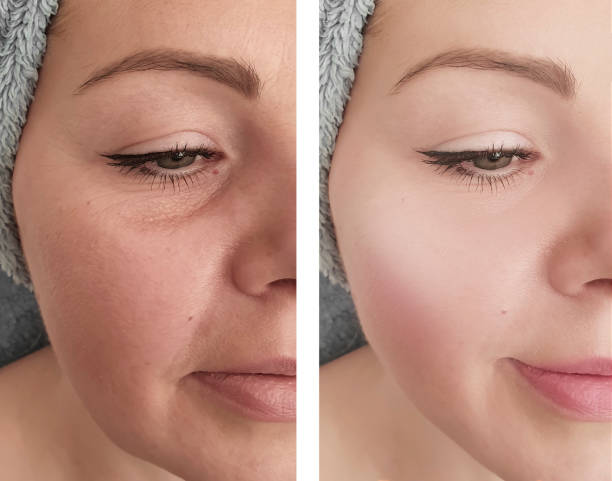
Could Collagen Support Be Part Of Your Routine?
Kollagen Intensiv is designed to support the appearance of youthful-looking skin from within.
Rather than treating the eye area as an isolated problem, a collagen-focused approach looks at the broader foundation of healthy-looking skin.
As collagen naturally declines with age, many people become increasingly interested in collagen supplements as part of their beauty routine. Kollagen Intensiv can be considered alongside sensible skincare, hydration, nutrition, sun protection, and healthy lifestyle habits.
The goal isn’t to expect one product to magically erase every sign of tired-looking eyes. Instead, it’s about taking a more complete approach to maintaining the appearance of smoother, firmer, healthier-looking skin.
The Bottom Line
If your eyes constantly look tired, lack of sleep may not be the only explanation.
Collagen loss, dehydration, dark circles, puffiness, screen time, sun exposure, and an incomplete skincare approach can all contribute to an eye area that looks older or more fatigued than you feel.
The most effective approach is usually not about searching for one overnight fix. It’s about understanding what’s contributing to the appearance and building consistent habits around skin health.
And if declining collagen is one of the concerns you’re trying to address, adding a quality collagen-focused supplement such as Kollagen Intensiv to your beauty routine may be worth considering.
Your eyes may be one of the first places where aging becomes noticeable, but understanding why they look tired gives you a much better starting point for taking care of them.