Understanding what may be contributing to loss of firmness can help you make more informed skincare choices and support healthier-looking skin over time.

Have you ever looked in the mirror and noticed your skin doesn’t seem as firm as it once was? Maybe your cheeks appear softer, your jawline isn’t as defined, or the delicate area around your eyes looks less lifted than it used to. These changes can happen gradually, making them easy to overlook until one day they seem impossible to ignore.
While ageing naturally plays a role, it’s far from the only reason skin begins to sag. Everyday habits, environmental factors, and changes happening beneath the skin’s surface all contribute to how firm and youthful your complexion appears. Understanding these causes is the first step toward making choices that help your skin look its best. Here are seven common reasons sagging skin develops and what they mean for your skincare routine.
1. Natural Collagen Decline
Collagen is one of the primary structural proteins that helps skin stay firm and resilient. As we get older, the body’s natural collagen production gradually slows down. This process is completely normal, but it can reduce the skin’s ability to maintain its shape and elasticity.
When collagen levels decrease, skin may begin to look thinner, softer, and less supported, especially around the cheeks, jawline, neck, and eye area.

2. Loss of Skin Elasticity
Elastin is another important protein that allows skin to stretch and bounce back into place. Over time, elastin fibres naturally weaken, making skin less able to recover from daily movement and facial expressions.
As elasticity decreases, skin may appear looser, contributing to a more tired or aged appearance even when you’re well rested.

3. Sun Exposure Over the Years
Ultraviolet (UV) rays don’t just increase the risk of sunburn—they also accelerate visible skin ageing. Long-term sun exposure can gradually affect collagen and elastin, making skin appear less firm over time.
Even short periods of daily sun exposure can accumulate over the years, which is why consistent sun protection is considered one of the most important habits for maintaining healthier-looking skin.
4. Repeated Lifestyle Habits
Everyday choices can influence how skin ages. Smoking, poor sleep, chronic stress, excessive alcohol consumption, and an unbalanced diet may all affect the overall appearance of the skin.
While no single habit is solely responsible for sagging, the combined effects over many years may become noticeable. Small improvements in daily routines can support healthier-looking skin as part of an overall skincare approach.

5. Changes in Facial Fat Distribution
As we age, the natural fat pads beneath the skin gradually shift and become smaller in certain areas. This can reduce facial volume and alter the contours that once gave the face a fuller, firmer appearance.
These changes often become noticeable around the cheeks, temples, and beneath the eyes, contributing to a less lifted look.

6. Gravity’s Long-Term Effects
Gravity works on our bodies every day. While the changes happen slowly, decades of downward pull can influence how facial tissues sit over time.
Combined with reduced collagen and elasticity, gravity can contribute to sagging around the jawline, neck, and lower face, especially as skin becomes less able to resist these natural forces.
7. Inconsistent Skincare
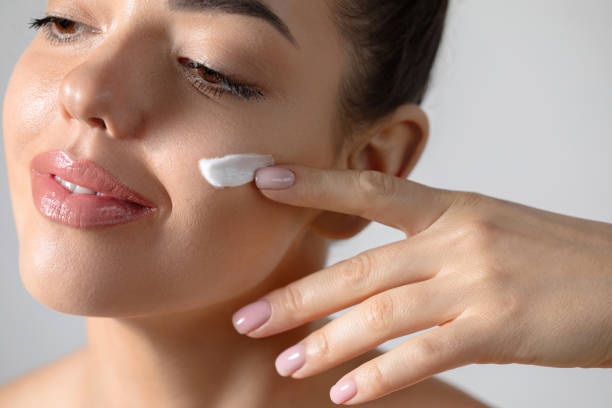
Healthy-looking skin benefits from consistency rather than occasional treatments. Cleansing, moisturizing, protecting against UV exposure, and using products designed to suppomoisturising,tion can all play a role in maintaining a smoother appearance.
Although skincare cannot stop natural ageing, building a regular routine may help your skin look healthier, more comfortable, and better cared for over time.
Supporting Skin That Looks Firmer
While it’s impossible to completely prevent natural ageing, many people choose to focus on habits that support healthier-looking skin. A balanced lifestyle, daily sun protection, good hydration, and a consistent skincare routine all work together to help maintain your skin’s appearance.
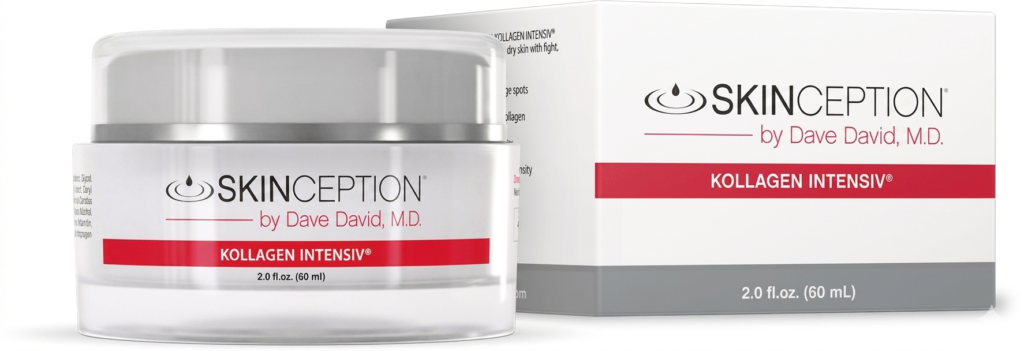
Some people also explore skincare products formulated specifically for visible signs of ageing. If your concerns include the appearance of fine lines, reduced firmness, or tired-looking skin—particularly around the delicate eye area—you may be interested in learning more about Kollagen Intensiv.
Rather than expecting instant transformations, it’s generally more realistic to view products like Kollagen Intensiv as one part of a broader skincare routine. Taking time to understand how a product fits your personal skincare goals can help you make a more informed decision about whether it’s right for you.

Conclusion
Sagging skin develops for many reasons, and it’s usually the result of several factors working together rather than a single cause. Natural collagen loss, reduced elasticity, sun exposure, lifestyle habits, gravity, and changing facial structure all contribute to the way skin evolves over time.
The encouraging news is that understanding these influences allows you to make smarter choices about caring for your skin. Consistent daily habits, realistic expectations, and selecting skincare products that align with your goals can all contribute to healthier-looking skin.
If you’re interested in exploring one option designed for people concerned about the visible signs of skin ageing, you can learn more about Kollagen Intensiv and decide whether it may be a worthwhile addition to your skincare routine.
⭐⭐⭐⭐⭐ Kollagen Intensiv™ 74 reviews