Dark circles, puffiness, fine lines, and a dull-looking eye area can have more causes than you might think.
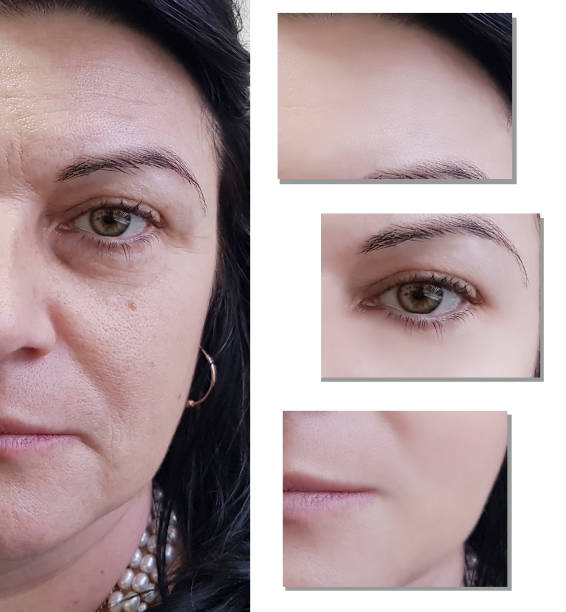
Have you ever looked in the mirror and felt that your eyes make you look more tired than you actually are?
The frustrating part is that you may be sleeping reasonably well, taking care of your skin, and still noticing dark circles, puffiness, fine lines, or a generally worn-out appearance around your eyes.
That is because the under-eye area can be affected by much more than a lack of sleep.
The skin here is delicate, and changes in hydration, pigmentation, circulation, facial structure, and skin ageing can all influence how the area looks.
Understanding what may be contributing to the problem is important because the solution depends on what is actually causing that tired-looking appearance.
Here are 12 common reasons your under-eyes may look more tired than you would like.
1. The skin around your eyes is naturally thin.
The skin around the eyes is thinner and more delicate than skin on many other parts of the face.
Because there is less tissue covering the underlying structures, blood vessels and shadows can sometimes be more noticeable.
This can create a darker appearance even when you are not particularly tired.
2. Your skin may be losing hydration.
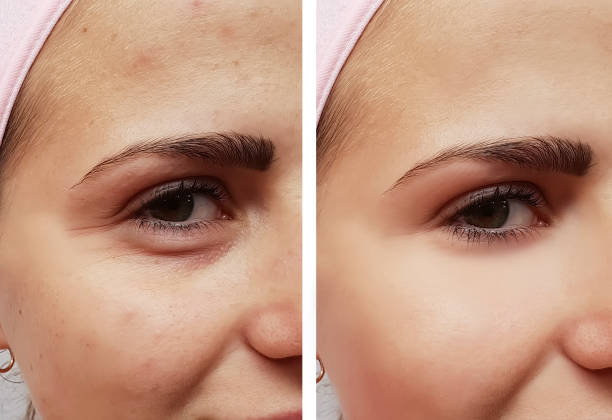
Dehydrated skin can look dull, tight, and less smooth.
Around the eyes, reduced hydration can make fine lines appear more noticeable because the skin surface does not look as plump or refreshed.
Daily exposure to dry air, weather changes, and insufficient moisture can all contribute to a less comfortable-looking eye area.
3. Natural skin ageing changes its appearance.
As skin ages, its structure gradually changes.
Collagen and other components that help support the skin naturally decline over time. The result can be reduced firmness, more visible lines, and changes in the way light reflects from the skin.
These changes can make the eye area look less smooth and youthful.
4. Sun exposure can affect the appearance of the eye area.
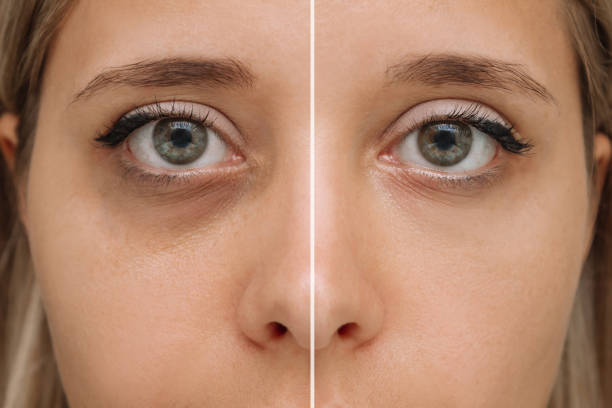
Years of sun exposure can contribute to visible skin ageing and uneven pigmentation.
Because the eye area is often exposed to the sun, protecting it is an important part of maintaining a healthier-looking complexion.
Sunglasses, shade, and appropriate broad-spectrum sunscreen can all be useful parts of a sensible skincare routine.
5. Genetics may play a role.
Sometimes, tired-looking under-eyes are simply part of your natural facial characteristics.
Genetics can influence pigmentation, skin thickness, facial structure, and where shadows naturally appear.
That means two people with similar lifestyles can have completely different-looking under-eye areas.
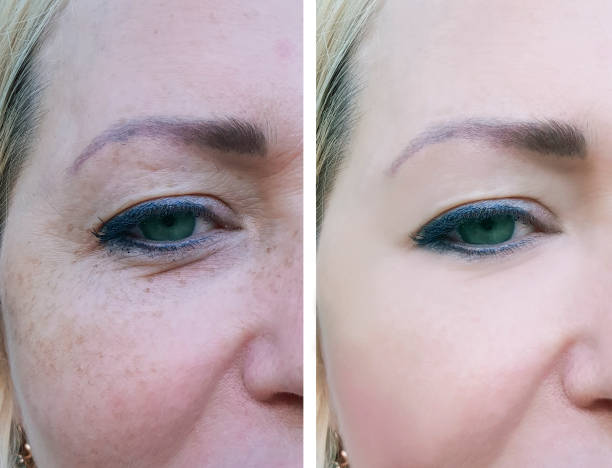
6. Puffiness can create shadows.
Swelling or puffiness beneath the eyes can change the way light falls across the face.
Even relatively mild puffiness can create shadows that make the area appear darker or more tired.
Temporary puffiness may be influenced by factors such as fluid retention, allergies, or lifestyle habits.
7. Allergies can affect the appearance of your eyes.
Allergies can cause irritation, watering, and rubbing around the eyes.
Repeated rubbing is particularly unhelpful for delicate skin because the area can become irritated and appear more inflamed or discoloured.
If allergies are contributing to persistent eye symptoms, addressing the underlying issue is more useful than simply trying to cover the appearance with makeup.
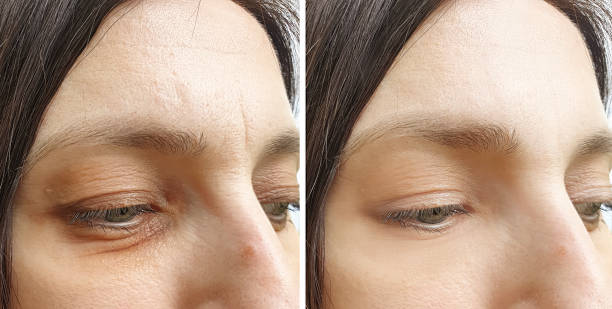
8. Lack of sleep can make existing concerns more noticeable.
Sleep is not necessarily the only explanation for dark circles, but poor sleep can make the eye area look worse.
When you are tired, your complexion may appear duller, and existing shadows or puffiness can become more noticeable.
Getting consistent, adequate sleep is therefore one of the simplest foundations for looking more refreshed.
9. Rubbing your eyes can irritate delicate skin.
It is easy to rub your eyes without thinking about it, especially when they feel itchy or irritated.
But frequent rubbing can place unnecessary mechanical stress on the delicate skin surrounding the eyes.
Being gentler when cleansing, removing makeup, or dealing with irritation can help you avoid adding unnecessary stress to the area.
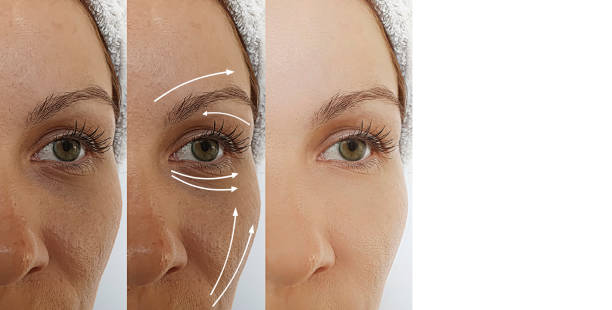
10. Makeup removal may be too aggressive.
Waterproof mascara, eyeliner, and long-wearing concealer can require more effort to remove.
Pulling or repeatedly rubbing the skin to remove makeup can leave the eye area looking irritated.
A gentle removal routine is preferable to aggressively scrubbing an area that is already naturally delicate.
11. Facial structure can create natural shadows.
Not every dark-looking under-eye is actually pigmentation.
The shape of the eye socket, position of the cheeks, and natural contours of the face can create shadows beneath the eyes.
This is one reason why creams or concealers may produce different-looking results from person to person.
Sometimes the appearance is partly caused by how light interacts with the natural structure of the face.
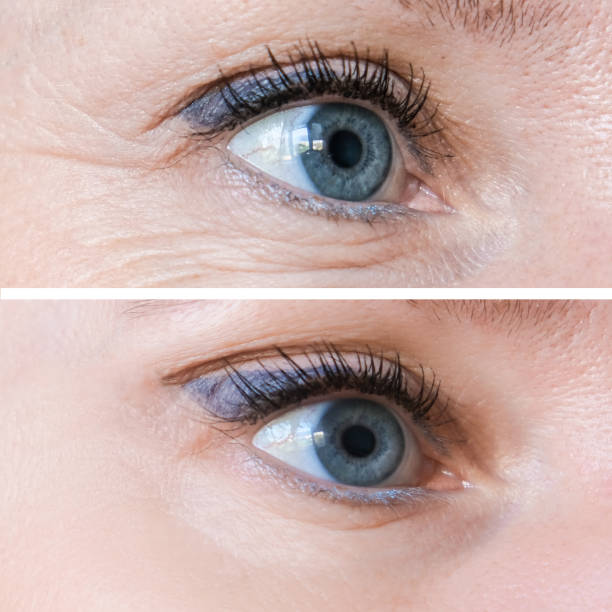
12. Your overall skincare routine may not address skin ageing.
You can have an excellent skincare routine and still overlook the bigger picture.
Cleansing and moisturising are useful, but maintaining the visible appearance of youthful-looking skin also involves paying attention to sun protection, hydration, and the gradual structural changes that occur with age.
If your main concern is fine lines, loss of firmness, or skin that no longer looks as smooth as it once did, it may be worth looking beyond products designed simply to temporarily conceal the problem.
What Can You Do About Tired-Looking Under-Eyes?
The first step is figuring out which factors are most relevant to you.
If puffiness is the main concern, lifestyle factors, allergies, and your daily habits may deserve attention.
If dryness is making fine lines more noticeable, improving your skincare routine and maintaining adequate hydration may help the skin look smoother.
And if your concern is primarily related to visible signs of ageing, such as fine lines and reduced-looking firmness, a broader approach to skin care may make more sense than relying on concealer alone.
Sun protection is especially important. So is treating the eye area gently rather than constantly rubbing or pulling at the skin.
For women who are becoming more conscious of age-related changes in their complexion, collagen-focused skincare and beauty products may also be worth exploring.
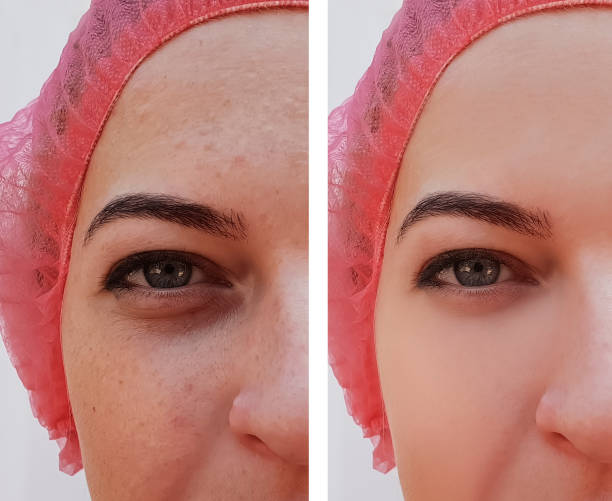
Why Some Women Look Beyond Traditional Eye Creams
Eye creams can be useful for addressing specific surface concerns, but they are not the only type of skincare product people consider when their goal is maintaining a more youthful-looking complexion.
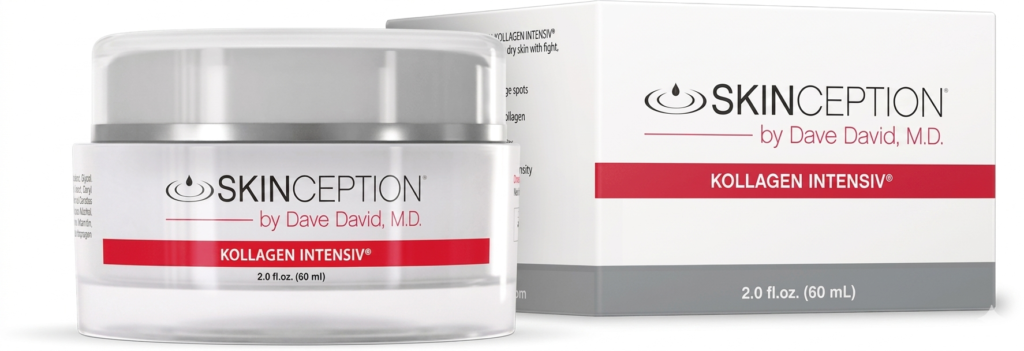
This is where a product such as Kollagen Intensiv may be worth investigating.
Rather than approaching the issue purely as a dark-circle or concealer problem, it can be considered as part of a broader skincare approach for people concerned about the visible signs of skin ageing.
The important point is to have realistic expectations.
No skincare product can change your genetics, facial structure, or every cause of dark circles. And results can vary considerably between individuals.
Instead, the goal should be to build a sensible routine around the factors you can influence while choosing products that fit your particular skincare concerns.
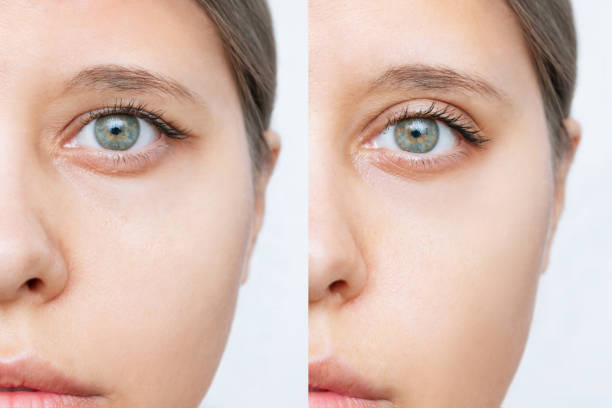
Your Under-Eyes May Be Telling a Bigger Story
Tired-looking under-eyes are not always a sign that you need more sleep.
Thin skin, dehydration, pigmentation, puffiness, sun exposure, genetics, facial structure, and natural skin ageing can all influence how the area looks.
That is why identifying the likely contributors is more useful than searching for one universal fix.
If your biggest concern is that your eyes make you look older or more tired than you feel, start by looking at your overall skincare habits rather than focusing on one symptom.
And if visible signs of skin ageing are becoming your primary concern, Kollagen Intensiv may be something you want to learn more about as part of a broader skincare approach.
Sometimes the most useful first step isn’t finding another product.
It’s understanding why your skin looks the way it does in the first place.
⭐⭐⭐⭐⭐ Kollagen Intensiv™ 74 reviews