What your eyes may be revealing about your skin—and why some changes are more complicated than they appear.
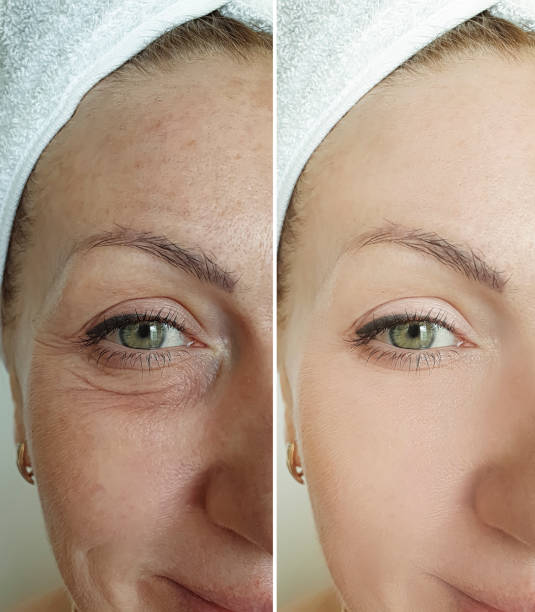
Have you ever looked in the mirror and wondered why your eyes suddenly make you look more tired, older, or less refreshed than you feel?
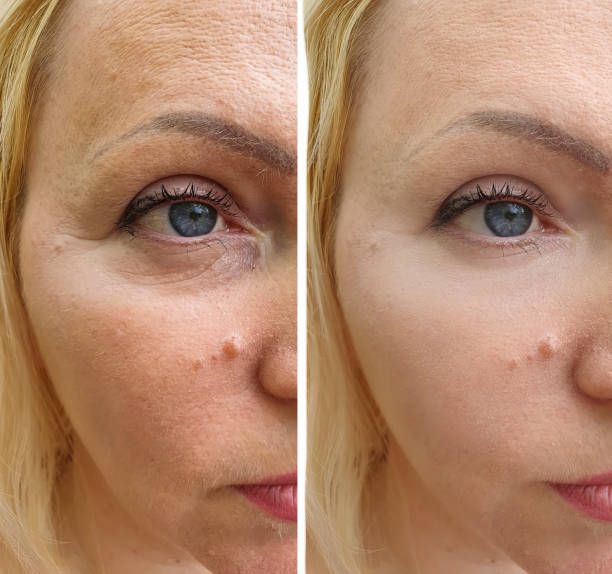
The skin around the eyes can be one of the first places where visible changes become noticeable. Fine lines, shadows, puffiness, dryness, and dark circles can all change the way the entire face looks.
But here’s something worth knowing: these concerns don’t necessarily have one single cause.
Some are connected with natural aging. Others may be influenced by genetics, sun exposure, sleep, allergies, fluid retention, or repeated rubbing of the delicate area. And sometimes what appears to be a dark circle is actually a shadow created by puffiness or changes in the contours beneath the eyes.
Understanding what you’re actually seeing is the first step toward making smarter skincare choices.
Here are 12 eye-area facts every woman should know.
1. The eye area changes as skin ages
Visible aging isn’t limited to the cheeks, forehead, or mouth.
The tissues supporting the eyelids gradually change with age, while skin can become looser and less resilient. These changes can contribute to fine lines, sagging, and under-eye bags.
That’s why the eye area can sometimes appear different even when the rest of your complexion still looks relatively smooth.
2. Dark circles aren’t always caused by lack of sleep
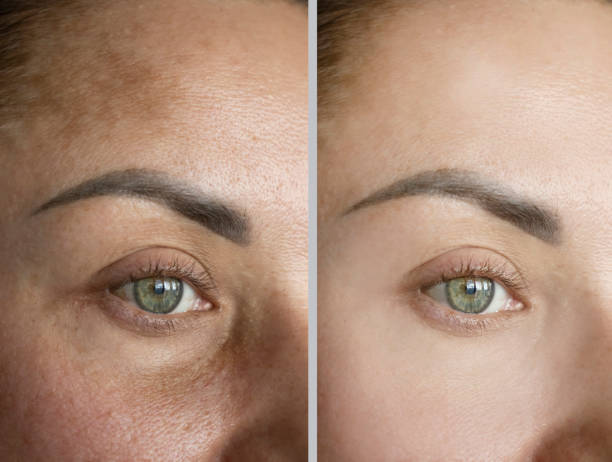
A late night can certainly make existing dark circles look more noticeable, but tiredness isn’t the only explanation.
Genetics, aging-related skin changes, sun exposure, dermatitis, and frequent rubbing or scratching can all contribute.
So if you’ve been sleeping well but still notice darkness beneath your eyes, there may be another factor involved.
3. Sometimes a “dark circle” is actually a shadow
This is an easy one to overlook.
Changes in the shape and contours beneath the eyes can create shadows that make the area appear darker. Puffiness can also change the way light falls across the skin.
In other words, not every dark-looking area is simply a pigmentation problem.
4. Puffiness can have several causes
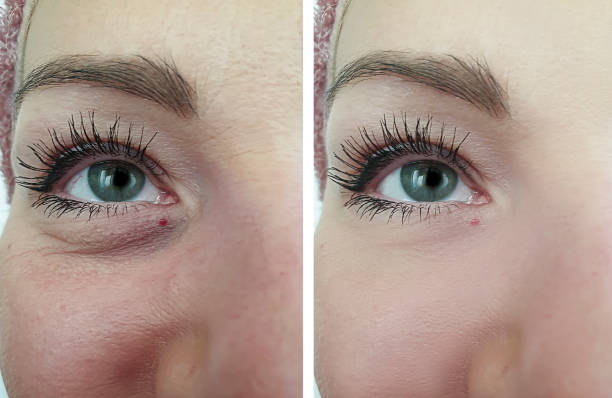
Under-eye bags can become more noticeable with age because the supporting tissues around the eyelids change.
Fluid can also accumulate beneath the eyes. Lack of sleep, allergies, genetics, and fluid retention may make puffiness more obvious.
That explains why your eye area may look noticeably different from one morning to another.
5. Sun exposure matters more than many women realize
UV exposure contributes to premature skin aging, including wrinkles and changes in pigmentation. That’s why sun protection is an important part of a long-term skincare routine.
The delicate area around the eyes shouldn’t simply be forgotten because it is small.
Sunglasses, shade, and appropriate broad-spectrum sunscreen can all be useful parts of protecting exposed skin.
6. Moisture can change how fine lines look
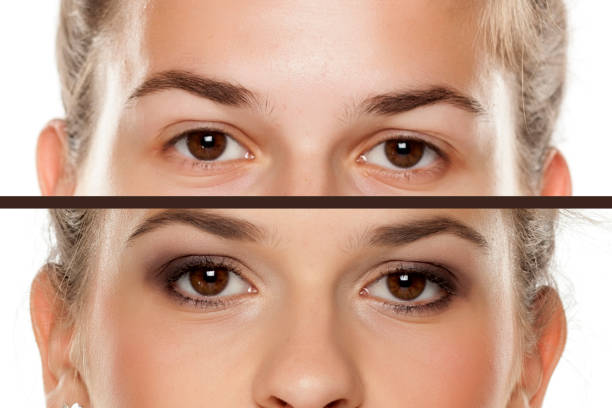
Dry skin can make fine lines appear more noticeable.
Moisturizers work partly by helping the skin retain water, which can temporarily make the surface look smoother and reduce the appearance of some fine lines.
That doesn’t mean moisturizer stops the natural aging process. It simply shows why hydration can make such a visible difference to the way skin looks.
7. Rubbing your eyes isn’t a great habit
If your eyes are itchy or irritated, repeatedly rubbing them can make the surrounding area more uncomfortable and may contribute to the appearance of dark circles in some people.
If irritation or itching keeps happening, it’s worth addressing the underlying cause rather than simply rubbing the area.
8. Genetics can influence your eye area
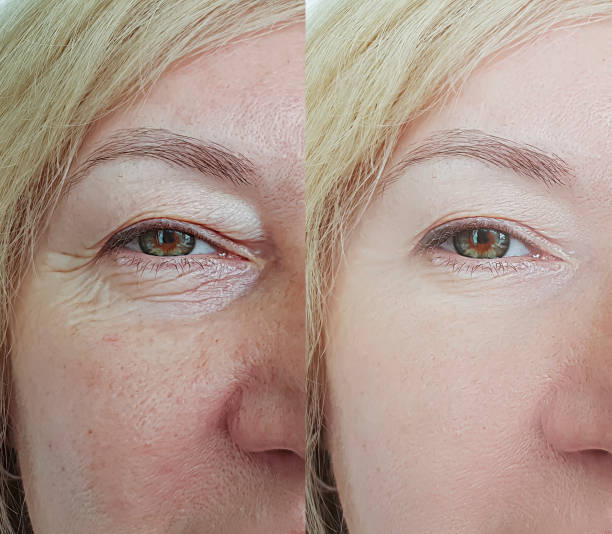
Some women naturally have more noticeable under-eye circles or bags than others.
Family traits can influence the appearance of the area, which means two women with very similar skincare routines can still have very different-looking eyes.
That is an important reminder not to judge your skin against someone else’s.
9. Your morning eye area isn’t necessarily your “normal.”
Have you ever noticed more puffiness when you first wake up?
Fluid can collect around the lower eyelids, particularly overnight, making the area look temporarily more swollen. Sleeping with your head slightly elevated may help reduce fluid accumulation for some people.
Your eye area can therefore look quite different at 7 a.m. compared with later in the day.
10. Skincare should be gentle around the eyes
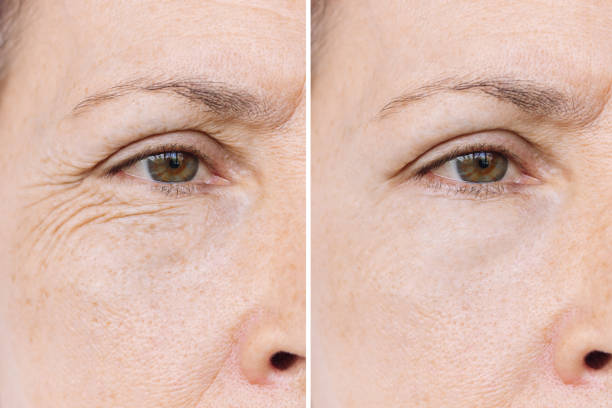
The skin around the eyes deserves a lighter touch.
Aggressive rubbing, unnecessary irritation, or using products that don’t agree with your skin can make an already delicate area unhappy.
A simple approach is often better: cleanse gently, moisturize appropriately, and protect exposed skin from the sun.
11. One skincare product can’t address every visible concern
Dark circles, puffiness, dryness, and fine lines can look similar at first glance, but they aren’t necessarily caused by the same thing.
That’s why a thoughtful skincare routine should focus on overall skin health rather than expecting one product to solve every concern.
Dermatologists commonly emphasize the basics — particularly sunscreen and moisturizer — when discussing strategies for reducing visible signs of premature aging.
12. Looking after your skin is a long-term process
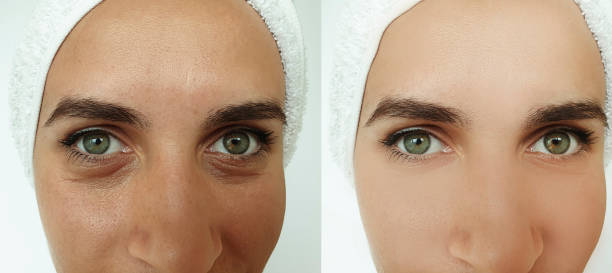
There is no need to wait until wrinkles become obvious before paying attention to your skin.
Consistent sun protection, adequate moisture, and a sensible skincare routine can help you take better care of the skin you have today while supporting its appearance over time. The goal isn’t to stop aging — it’s to care for your skin as it changes.
What Can You Actually Do About the Appearance of Aging Skin?
Once you understand that the eye area can be influenced by several different factors, the skincare approach becomes much more realistic.
Instead of searching for a miracle fix, think about the bigger picture: protecting your skin from unnecessary UV exposure, maintaining hydration, being gentle around the eyes, and choosing products that fit your personal skincare goals.
For women particularly concerned about the visible signs of aging, collagen is another area that naturally attracts attention. Collagen is an important structural protein in the skin, and interest in collagen-focused skincare and supplements has grown considerably.
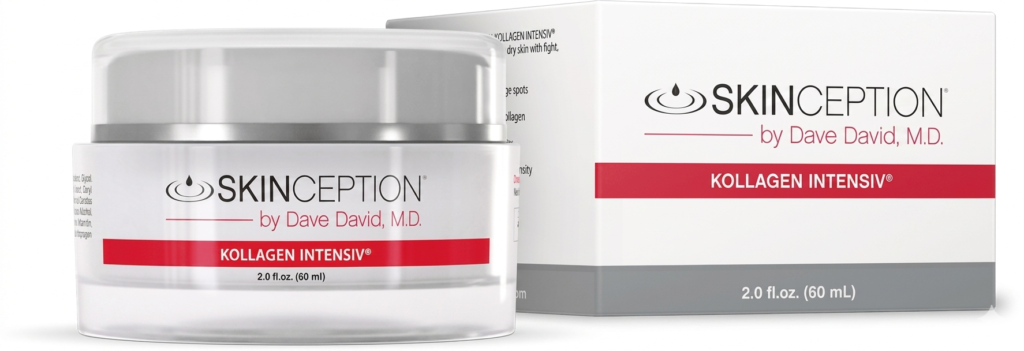
This is where a product such as Kollagen Intensiv may be worth exploring if you’re interested in a collagen-focused approach to your beauty routine.
Rather than assuming that any collagen product will produce a particular result, take the time to understand what the product is, how it is intended to be used, and whether it fits your own goals.
The most useful skincare decisions are informed ones—not decisions based on exaggerated promises.
Conclusion
The biggest lesson from these 12 eye-area facts is that your eyes don’t necessarily tell one simple story.
Dark circles can have different causes. Puffiness can change from day to day. Fine lines can become more visible when skin is dry, while genetics and natural aging can influence the overall appearance of the area. Sun exposure is another factor that deserves serious attention.
So rather than looking for one instant answer, start by understanding what may actually be contributing to the change you’re seeing.
Then build your skincare routine around sensible, consistent habits and products that match your goals.
If you’re particularly interested in supporting the appearance of youthful-looking skin and want to explore a collagen-focused option, Kollagen Intensiv is one product you may want to learn more about before deciding whether it’s right for you.
⭐⭐⭐⭐⭐Kollagen Intensiv™ 74 reviews