Small Changes Around Your Eyes Often Appear Long Before the Rest of Your Face—Here’s How to Recognise Them Early and Support Healthier-Looking Skin.

The first signs of skin ageing don’t usually appear where most people expect.
While many people focus on forehead lines or smile lines, the delicate skin around the eyes often changes much earlier—and much more subtly. These changes can happen gradually over months or even years, making them easy to dismiss as temporary tiredness, stress, or simply “having a bad day”.
Recognising these early clues matters because the sooner you understand what’s happening, the easier it becomes to build habits that support smoother, brighter, healthier-looking skin.
Let’s explore the early signs your eye area may be changing and what you can do to help maintain a refreshed appearance.
Why the Eye Area Changes So Quickly
The skin surrounding your eyes is among the thinnest anywhere on your body. It contains fewer oil-producing glands, experiences constant movement from blinking and facial expressions, and is regularly exposed to environmental stress.
Over time, several factors naturally influence its appearance, including:
- Gradual collagen decline
- Reduced skin hydration
- Sun exposure
- Sleep quality
- Stress
- Nutrition
- Seasonal weather
- Natural aging
Because so many factors work together, even small lifestyle changes can have a noticeable impact.
Early Clues Your Eye Area Is Changing

Fine lines appear even when your face is relaxed
Expression lines are completely normal, but if tiny lines remain visible after your face relaxes, it may indicate that skin is gradually becoming less resilient.
Keeping skin moisturised and protected from UV exposure may help improve its overall appearance.
Your concealer settles differently
Many people first notice change during their makeup routine.
If concealer suddenly settles into areas where it never did before, the skin texture beneath may have become slightly drier or less smooth.
Hydration and gentle skincare often make a noticeable difference.
Puffiness takes longer to disappear
Morning puffiness is common.
However, when swelling lingers well into the day, lifestyle factors such as the following:
- High sodium intake
- Poor sleep
- Allergies
- Reduced circulation
may be contributing.
Simple habits like sleeping with your head slightly elevated and staying hydrated can help.

Dark circles become more noticeable
Not every dark circle is caused by lack of sleep.
They may also become more visible due to:
- Thinner skin
- Shadowing
- Genetics
- Reduced collagen support
- Pigmentation changes
Understanding the cause is important before choosing products.
Your eye area feels drier than usual
Dryness often develops gradually.
You might notice:
- Tightness after cleansing
- Makeup looking patchy
- Flaking
- Increased sensitivity
Using gentle cleansers and fragrance-free moisturisers may help preserve the skin barrier.
Your eyes look more tired—even after a full night’s sleep
Many people assume they simply need more rest.
In reality, changes in skin texture, elasticity, and hydration can all contribute to a tired-looking appearance despite feeling well-rested.

Shadows become more noticeable
Changes beneath the eyes are not always caused by pigmentation.
As skin changes over time, natural facial contours may cast deeper shadows, making under-eye areas appear darker.
Good lighting often reveals the difference.
Makeup doesn’t apply as smoothly
Foundation and concealer can highlight texture that wasn’t previously visible.
Rather than applying more makeup, focusing on skin preparation often creates a smoother finish.
The skin looks less firm
Healthy-looking skin reflects light more evenly.
As collagen naturally declines with age, the eye area may appear softer or slightly less lifted than before.
This process is gradual and happens differently for everyone.
Crow’s feet become easier to notice
Repeated facial expressions are part of everyday life.
Smiling, laughing, and squinting eventually leave visible marks on the skin, especially where it is naturally thinner.
Daily sun protection remains one of the most effective ways to support healthier-looking skin.
Your eye cream no longer seems as effective
Skin changes over time, meaning products that worked years ago may no longer meet your current skincare needs.
Reviewing your routine every few years can help ensure you’re using ingredients appropriate for your skin today.
Friends ask if you’re tired more often
Sometimes other people notice subtle changes before we do.
If you’re frequently hearing comments like “Are you okay?” or “You look tired,” your eye area may simply be reflecting changes in hydration, skin texture, or natural ageing rather than how you actually feel.

Common Mistakes That Speed Up Visible Changes
Many everyday habits can unintentionally make the eye area appear older.
Some of the most common include:
- Rubbing the eyes frequently
- Skipping sunscreen around the eye area
- Sleeping with makeup on
- Using harsh cleansers
- Not getting enough quality sleep
- Smoking
- Chronic dehydration
- Ignoring seasonal dryness
Fortunately, many of these habits are easy to improve with small daily adjustments.
Why So Many People Overlook These Early Signs
One reason these clues go unnoticed is that they develop slowly.
Looking in the mirror every day makes gradual changes difficult to recognize.
People often blame:
- Stress
- Busy schedules
- Poor lighting
- Temporary fatigue
while overlooking the cumulative effects of aging, environmental exposure, and skincare habits.
Recognizing these subtle changes early allows you to make thoughtful improvements before they become more noticeable.

Practical Ways to Support Healthier-Looking Skin Around the Eyes
You don’t need an overly complicated skincare routine.
Simple, consistent habits often provide the greatest benefit.
Consider:
- Wearing sunscreen every day
- Staying well hydrated
- Getting sufficient sleep
- Eating antioxidant-rich foods
- Avoiding excessive eye rubbing
- Using gentle skincare products
- Wearing sunglasses outdoors
- Keeping the skin moisturized year-round
Consistency usually matters more than using dozens of products.
Supporting Your Routine with the Right Skincare
While healthy lifestyle habits create the foundation for healthier-looking skin, many people also choose to add targeted skincare products formulated specifically for the delicate eye area.
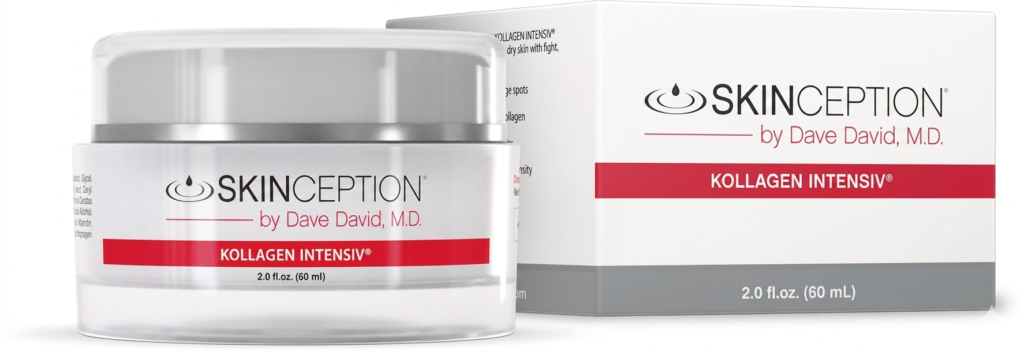
One option worth considering is Kollagen Intensiv. It’s designed to support the appearance of smoother, firmer, and more hydrated-looking skin around the eyes by combining moisturizing ingredients with collagen-supporting skincare technology.
Rather than replacing healthy habits, it can complement a consistent skincare routine, especially for those looking to improve the appearance of dryness, fine lines, and a tired-looking eye area over time.
The key is realistic expectations and regular use alongside good daily skincare practices.
Myth vs. Fact
Myth: Only older adults develop under-eye changes.
Fact: Lifestyle, genetics, sun exposure, and hydration can influence the appearance of the eye area long before later adulthood.
Myth: Drinking more water instantly removes dark circles.
Fact: Hydration supports healthy skin, but dark circles often have multiple contributing factors.
Myth: More expensive skincare always works better.
Fact: Consistency, suitable ingredients, and realistic expectations are usually more important than price.
Myth: Fine lines mean your skincare routine has failed.
Fact: Fine lines are a natural part of aging. Good skincare helps support healthier-looking skin but cannot completely stop the aging process.
Frequently Asked Questions

At what age do eye area changes usually begin?
Everyone ages differently. Many people begin noticing subtle changes during their late twenties or thirties, although genetics and lifestyle play important roles.
Can sleep really affect how my eyes look?
Yes. Poor sleep may contribute to puffiness, dullness, and a tired appearance, although it isn’t the only factor involved.
Is sunscreen important around the eyes?
Absolutely. Daily UV protection helps reduce cumulative sun damage, one of the major contributors to premature skin aging.
Should I start using an eye cream before visible wrinkles appear?
Many people choose to begin early to help maintain hydration and support the skin barrier before more noticeable changes develop.
Can lifestyle changes improve the appearance of the eye area?
Healthy habits such as good nutrition, hydration, quality sleep, and consistent skincare often contribute to healthier-looking skin over time.
Key Takeaways
- The eye area often shows the earliest visible signs of skin aging.
- Small daily habits can significantly influence how the skin looks over time.
- Hydration, sun protection, and gentle skincare remain essential.
- Recognizing subtle changes early allows for proactive care.
- Targeted skincare products can complement a healthy routine when used consistently.
Conclusion
The earliest clues that your eye area is changing are rarely dramatic. Instead, they appear as small differences that slowly become more noticeable over time.
Paying attention to these subtle signs allows you to adjust your skincare routine, improve healthy habits, and better support the delicate skin around your eyes before changes become more pronounced.
If you’re looking to enhance your routine further, Kollagen Intensiv may be a helpful addition. Used consistently alongside healthy skincare habits, it can support smoother, more hydrated, and refreshed-looking skin around the eyes.
If you’d like to learn more about how Kollagen Intensiv works, click the affiliate link below to explore the product in greater detail and decide whether it’s a good fit for your skincare routine. Small, consistent steps today can help your eye area look healthier and more refreshed for years to come.
⭐⭐⭐⭐⭐ Trusted by Thousands of Happy Customers • 67-Day Money-Back Guarantee