Why the eye area can start looking different sooner than expected—and the subtle changes that may affect how rested, smooth, and youthful your face appears. You may notice it first in photos.
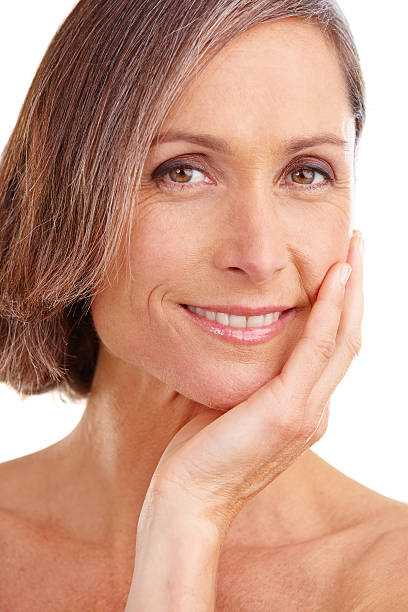
Your eyes look a little more tired than you remember. Fine lines seem easier to see. Concealer settles differently, or the skin beneath your eyes appears thinner and less smooth—even when your skincare routine hasn’t dramatically changed.
There’s a reason the eye area can make these changes especially noticeable.
The skin surrounding your eyes is delicate, constantly moving, and exposed every day to facial expressions, environmental stressors, and the natural changes that occur as skin ages. Over time, several small shifts can happen at once, subtly changing the way this area reflects light, holds moisture, and supports the contours around your eyes.
Understanding those changes can help you care for this delicate area more thoughtfully.
1. The Skin Can Become Thinner
One of the most noticeable age-related changes is a gradual thinning of the skin.
As the skin’s structure changes over time, the eye area may begin to look more delicate or almost translucent. Because there is less visual cushioning beneath the surface, shadows, underlying blood vessels, and natural variations in tone may become easier to see.
This can contribute to an under-eye appearance that looks darker or more tired, even when you have had enough sleep.
2. Fine Lines May Become More Visible
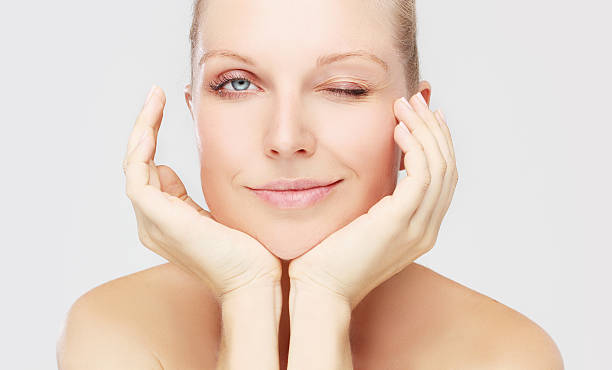
Smiling, laughing, squinting, and blinking repeatedly fold the skin around your eyes.
When skin is younger and more resilient, these temporary creases tend to be less noticeable once the face relaxes. As skin ages and becomes less elastic, some of those lines may remain visible for longer.
Eventually, expression lines around the outer corners and beneath the eyes can become noticeable even when your face is completely relaxed.
3. The Eye Area May Hold Less Moisture
Dryness can dramatically influence how ageing skin looks.
When the delicate eye area lacks sufficient moisture, its surface may appear less plump and smooth. Tiny dehydration lines can also become more noticeable, especially beneath makeup.
This doesn’t necessarily mean every visible line is a deep wrinkle. Sometimes surface dryness simply makes existing texture easier to see.
Supporting hydration can therefore make an important cosmetic difference in how smooth and refreshed the area appears.

4. Skin Elasticity Can Gradually Decline
Youthful-looking skin has a natural ability to stretch and return toward its original position.
With age, that resilience gradually changes.
Around the eyes, where the skin is already thin, reduced elasticity can contribute to a softer or less firm-looking appearance. The upper and lower eye areas may no longer look quite as taut as they once did.
These changes are gradual, which is why you may notice them more clearly when comparing photographs taken several years apart.
5. Natural Facial Volume Can Shift
Not every visible sign of ageing around the eyes comes from the skin itself.
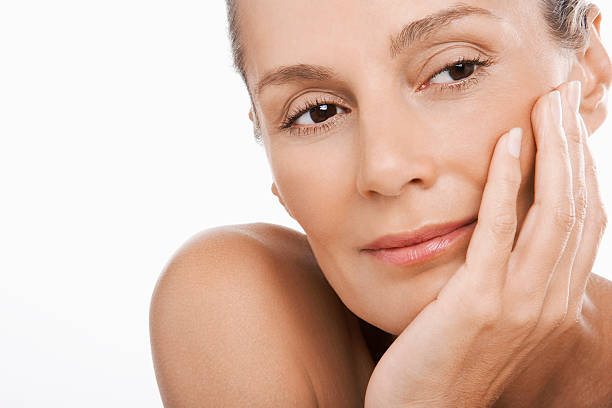
Changes in the underlying facial structure and distribution of facial volume can alter the contours surrounding the eyes.
As these contours change, certain areas may appear more hollow while others cast stronger shadows.
This is one reason someone can suddenly feel that their eyes look more tired even though their sleep habits haven’t changed—the shape and light patterns around the eye area may simply be different.
6. Under-Eye Shadows Can Become More Noticeable
Dark-looking under-eyes are not always caused by pigmentation alone.
As skin becomes thinner and facial contours change, natural shadows may become more pronounced.
Lighting can make an enormous difference too. Overhead lighting, for example, may emphasise hollows beneath the eyes and create the appearance of darker circles.
That means what looks like discolouration may actually be a combination of skin tone, thinness, contour, and shadow.
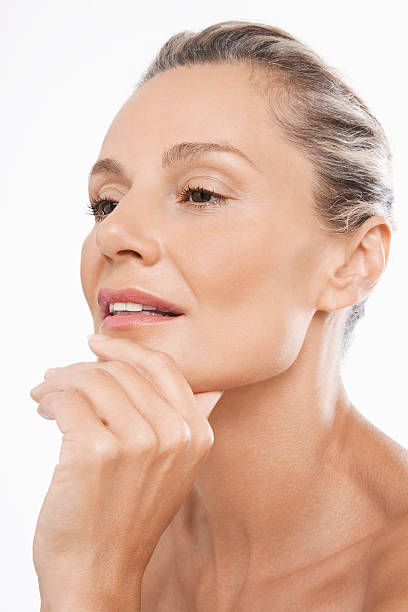
7. Puffiness May Change the Eye Contour
Under-eye fullness can become more noticeable with age.
Temporary puffiness may also fluctuate depending on factors such as sleep, lifestyle, and normal fluid shifts.
When fullness develops beneath the eyes, it changes how light falls across the face. This can create a visible transition between raised and recessed areas, making shadows or uneven contours appear stronger.
The result can be an eye area that looks heavier or less rested.
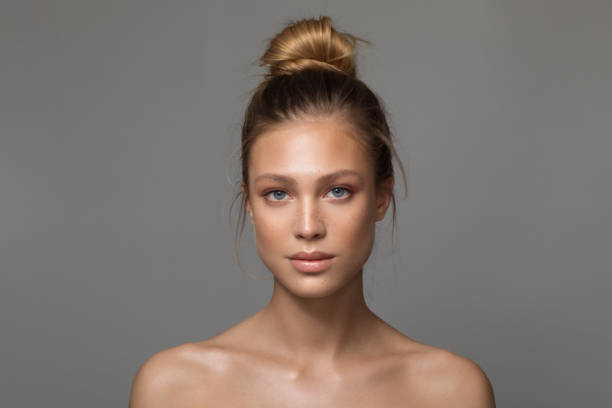
8. Skin Texture May Become Less Even
Smooth skin reflects light more evenly.
As the eye area ages, however, changes in hydration, fine lines, and surface texture can make that reflection less uniform.
The skin may appear slightly crepey or uneven, particularly when smiling or applying makeup.
This is also why heavy concealer sometimes becomes less flattering with age. Instead of hiding texture, too much product can settle into tiny folds and make them more obvious.
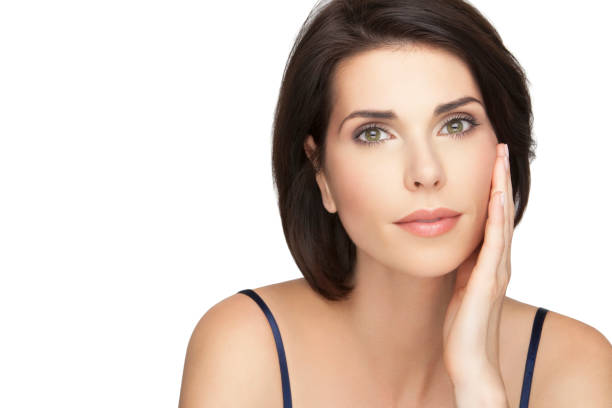
9. Sun Exposure Can Become More Visible Over Time
Sun exposure doesn’t always reveal its effects immediately.
Years of cumulative ultraviolet exposure can contribute to visible changes in skin tone, texture, and the appearance of fine lines.
Because the eye area is so delicate, protecting it from unnecessary sun exposure is an important part of maintaining its appearance.
Broad-spectrum sunscreen, sunglasses, and sensible sun protection can all play a role in helping protect skin from further UV-related visible ageing.
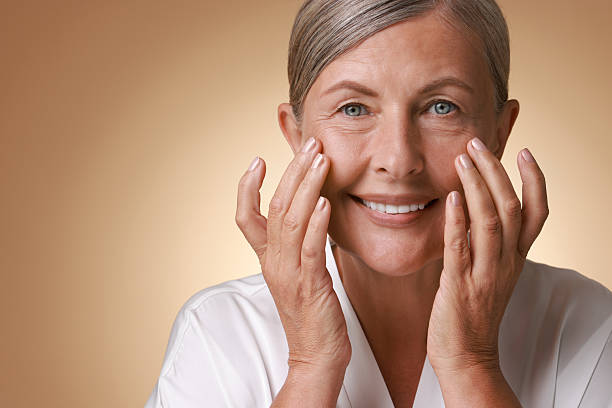
10. Eyelid Skin May Look Less Firm
Changes aren’t limited to the under-eye area.
The skin above the eyes can also gradually lose some of its youthful-looking firmness.
As this happens, the natural eyelid crease may look different, and makeup that once applied easily may begin behaving differently.
Eyeshadow can settle into folds, eyeliner placement may need adjusting, and the overall eye shape may appear subtly changed.
Adapting makeup techniques rather than simply applying more product can often create a fresher result.
11. Several Small Changes Can Combine
Perhaps the most overlooked part of eye-area ageing is that there usually isn’t one single cause.
Thinness, dryness, fine lines, changing contours, shadows, texture, and environmental exposure can all influence the appearance of the same small area.
Individually, each change may seem minor.
Together, however, they can make the eyes appear noticeably different.
This is why focusing on only one concern—such as wrinkles—may overlook other factors contributing to the overall appearance of the eye area.
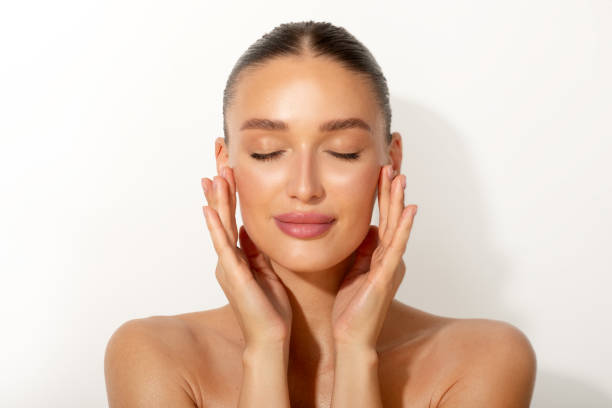
What Can You Do to Support More Youthful-Looking Skin?
A thoughtful approach usually begins with protecting and supporting the skin rather than trying to chase every individual line.
Gentle cleansing, regular moisturisation, daily sun protection, and avoiding unnecessary rubbing or tugging around the eyes can help support the appearance of delicate skin.
Consistency matters as well. Skincare is generally more useful as an ongoing routine than as a quick reaction whenever a new line appears.
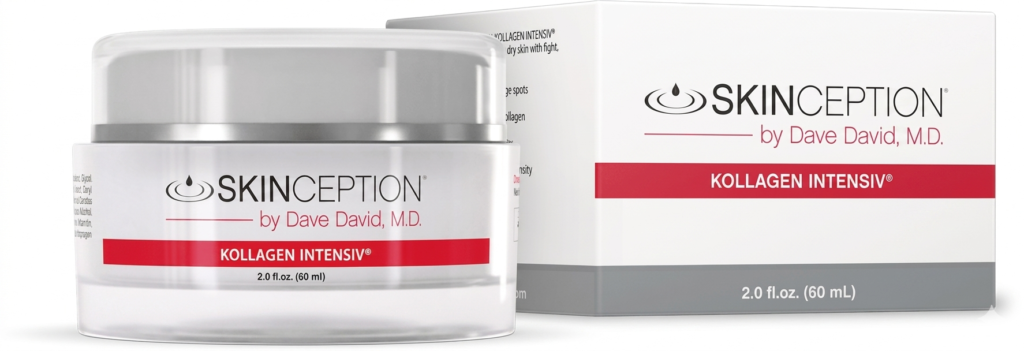
For women exploring skincare specifically because their skin is beginning to look less smooth, firm, or youthful, Kollagen Intensiv may also be a product worth learning more about.
Rather than viewing any cream as a way to erase the natural ageing process, it makes more sense to evaluate how a product could fit into a broader skincare routine focused on maintaining moisturised, smoother-looking skin and improving the overall appearance of visible ageing concerns.
Before choosing any skincare product, consider what you actually want to address—dryness, visible texture, fine lines, or the general appearance of ageing skin—and review the product information carefully to decide whether it suits your routine.
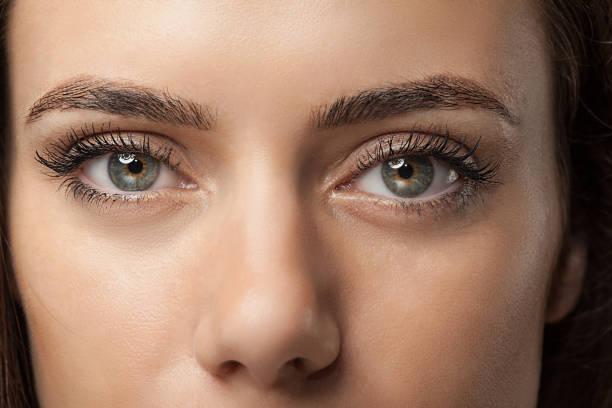
The Way Your Eyes Age Is More Complex Than It Looks
When the eye area begins looking older or more tired, it’s easy to focus on the first wrinkle you notice.
But ageing around the eyes is rarely about one wrinkle.
Changes in skin thickness, moisture, elasticity, facial contours, texture, and light reflection can all influence what you see in the mirror. Understanding those factors makes it easier to take a more realistic and thoughtful approach to skincare.
You can’t stop natural ageing, but you can support your skin with consistent care, protection, and products chosen for your individual concerns.
If smoother, more youthful-looking skin is something you’re working toward, you may want to learn more about Kollagen Intensiv and explore how it could fit into your existing skincare routine.
⭐⭐⭐⭐⭐Kollagen Intensiv™ 74 reviews