The visible signs of ageing are not always caused by what you think—and a few overlooked factors can make tired-looking skin and the delicate eye area stand out more.
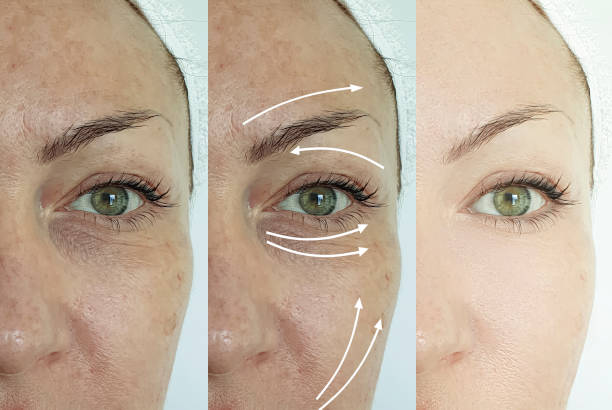
You may notice the first signs gradually: makeup doesn’t sit quite the same, your skin looks less fresh in the morning, fine lines seem more noticeable, or your eyes appear tired even after a good night’s sleep.
It is easy to blame everything on wrinkles. But visible skin ageing is more complicated than one isolated concern. Changes in hydration, skin structure, daily habits, environmental exposure, and even the way we care for delicate areas can all influence how youthful or tired the skin appears.
The good news is that understanding these overlooked factors can help you take a more thoughtful approach to your skincare routine. Here are 10 things women often miss when their skin begins to look older.
1. Skin Can Look Older Simply Because It Is Drier
One of the easiest things to overlook is hydration.
As skin becomes drier, fine lines can appear more noticeable because the surface loses some of its smooth, supple appearance. This can be particularly obvious around the eyes, where the skin is naturally delicate.
That doesn’t necessarily mean every visible line needs a stronger anti-wrinkle product. Sometimes, paying closer attention to maintaining moisture can make the skin look more comfortable and refreshed.
2. The Eye Area Can Reveal Changes First
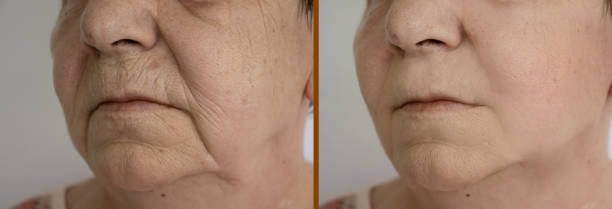
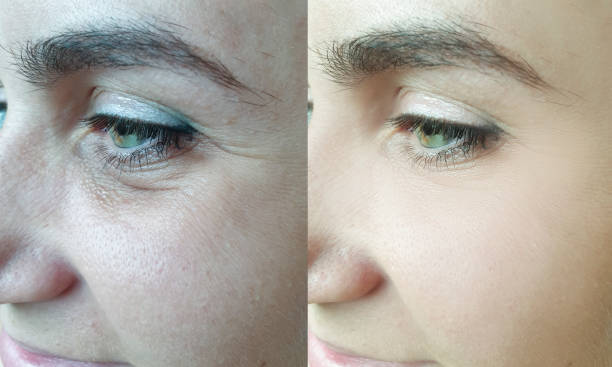
The skin around the eyes is thinner and more delicate than many other areas of the face. Because of this, small changes can become visually noticeable sooner.
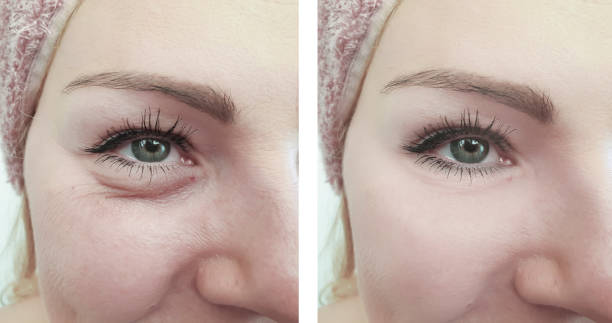
Dark-looking circles, puffiness, fine lines, or a generally tired appearance can affect how the entire face is perceived.
Instead of treating the eye area as an afterthought, it deserves gentle care and attention of its own.
3. Sun Exposure Adds Up Over Time
Many women remember sunscreen when spending a day at the beach but overlook everyday exposure.
Walking outside, driving, sitting near windows, and spending time outdoors can all contribute to cumulative UV exposure. Over the years, this can contribute to changes in skin texture, uneven-looking tone, and visible signs of ageing.
Consistent sun protection is therefore one of the most important long-term habits for maintaining the appearance of healthier-looking skin.
4. Your Skin’s Natural Structure Changes With Age
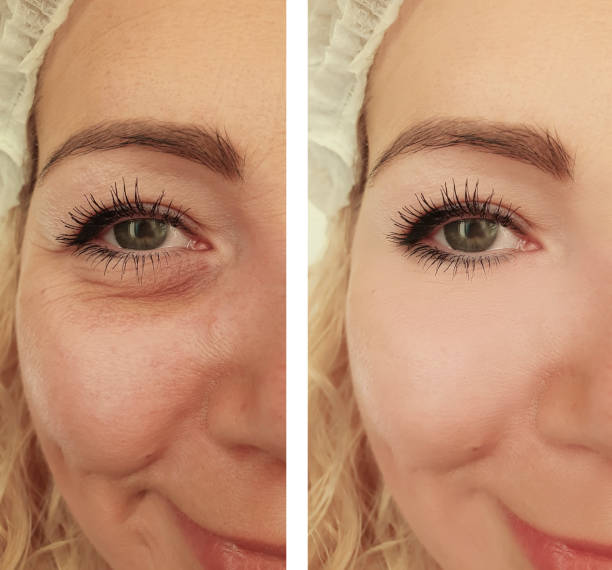
Ageing skin doesn’t simply develop wrinkles on the surface. The underlying structure and composition of skin also change over time.
Collagen is one of the proteins associated with the skin’s structure and firmness. As we age, the body naturally produces less collagen, which is one reason skin can gradually appear less firm and resilient.
Understanding this can change the way you think about skincare. Surface products are only one part of the broader picture of ageing skin.
5. Overdoing Your Skincare Routine Can Backfire
More products do not automatically mean better results.
Using too many active ingredients, frequently exfoliating, or constantly switching between products can leave skin feeling irritated or uncomfortable. When the skin barrier becomes disrupted, dryness and sensitivity may become more noticeable.
A simpler routine that consistently supports the skin can sometimes be more sensible than continually adding another product.
6. Sleep Shows on Your Face
A lack of quality sleep can affect how refreshed you look.
After a poor night’s sleep, the eye area may appear darker, puffier, or generally more tired. While one late night isn’t going to suddenly age your skin, consistently poor sleep can make maintaining a fresh appearance more difficult.
Your skincare routine matters, but so do the everyday habits surrounding it.
7. Facial Expressions Are Part of the Story
Smiling, squinting, frowning, and other repeated facial movements are completely normal. Over many years, repeated expressions can contribute to the appearance of expression lines.
This doesn’t mean you should stop smiling. Instead, it is useful to understand why certain lines may become more visible over time.
Ageing is not something that can—or needs to be—completely prevented. The goal is often to support skin so it continues to look as healthy and cared-for as possible.
8. Nutrition and Hydration Are Easy to Forget
Skincare happens on the outside, but your overall lifestyle matters too.
A balanced diet provides nutrients the body needs for normal skin function, while adequate fluid intake helps support normal hydration. These factors aren’t instant anti-ageing solutions, but they form part of the foundation of taking care of yourself.
Beautiful-looking skin is rarely the result of one magic ingredient or one overnight change.
9. The Products You Used in Your 20s May Not Be Enough Forever
Your skin doesn’t remain exactly the same throughout adulthood.
A lightweight routine that worked beautifully when you were younger may not address the concerns you notice later. Changes in dryness, texture, firmness, or the appearance of fine lines can mean it is worth reassessing your skincare approach.
This doesn’t mean replacing everything. It means paying attention to what your skin is actually telling you.
10. Collagen Often Gets Ignored Until Visible Changes Appear
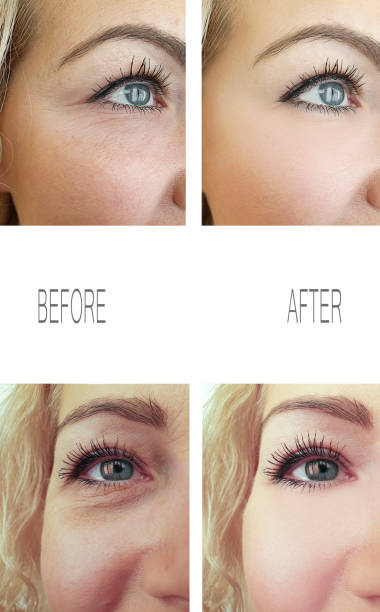
Many women become interested in collagen only after they notice changes in firmness, texture, or fine lines.
Collagen is an important structural protein in the body, and natural collagen production decreases with age. That makes collagen an area worth learning about if maintaining the appearance of youthful-looking skin is one of your goals.
However, it is important to be realistic. No skincare or collagen product can stop the natural ageing process. The better approach is to understand the options available and decide whether they fit into your overall routine.
A More Complete Approach to Ageing Skin
Once you understand these overlooked factors, skincare starts to look less like a search for one miracle product and more like a collection of supportive habits.
Daily sun protection, sensible skincare, adequate hydration, good nutrition, sufficient sleep, and gentle care for the delicate eye area can all play a role in maintaining the appearance of healthy-looking skin.
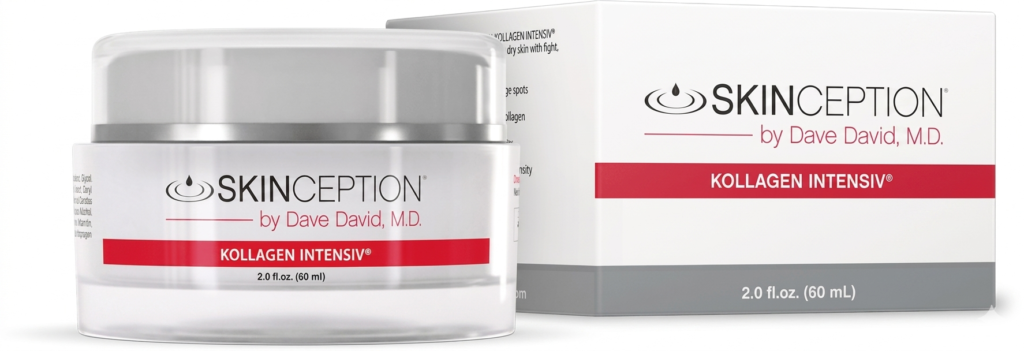
For women particularly interested in the role of collagen, Kollagen Intensiv may also be worth exploring as part of that broader conversation. Rather than viewing it as a replacement for good skincare habits, it can be approached as an option for someone who wants to learn more about collagen-focused beauty support.
The important thing is to understand what a product is designed for, review its information carefully, and consider whether it matches your personal skincare goals.
Conclusion
Skin ageing rarely comes down to one wrinkle or one skincare mistake. The visible changes we notice can reflect many different factors, from declining collagen production and reduced hydration to accumulated sun exposure and everyday lifestyle habits.
The biggest shift may simply be learning to look beyond the surface.
If you’re beginning to notice that your skin or eye area looks less firm, less hydrated, or more tired than it once did, understanding the role of collagen is a logical place to continue your research.
For those curious about a collagen-focused beauty option, learning more about Kollagen Intensiv can be a natural next step before deciding whether it belongs in your routine.
⭐⭐⭐⭐⭐ Kollagen Intensiv™ 74 reviews