
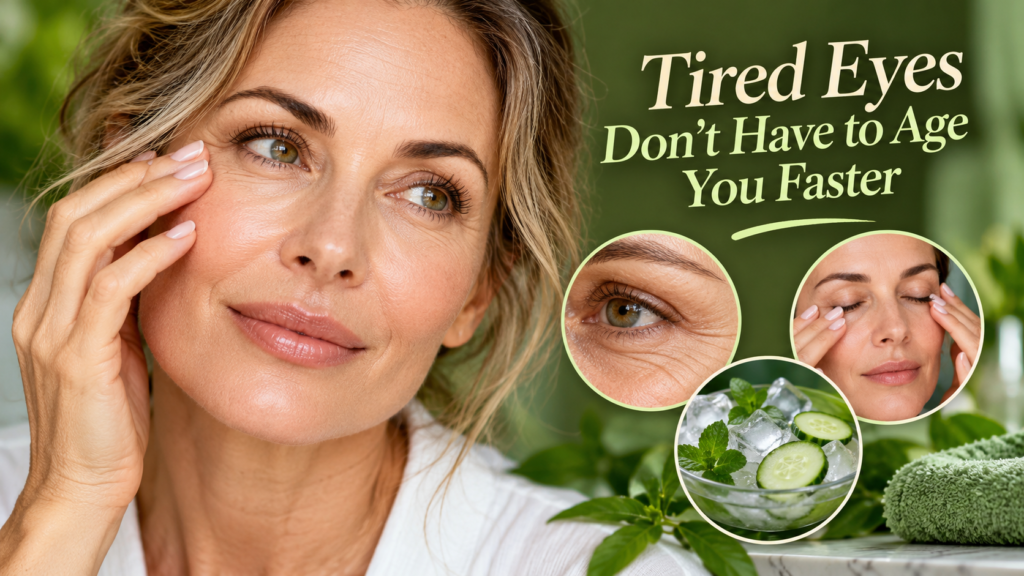
Do your eyes sometimes look more tired than you actually feel? Perhaps you notice darker circles in the morning, puffiness that takes longer to disappear, or fine lines that seem more noticeable than they did a few years ago. Even when the rest of your skin looks healthy, the delicate area around your eyes can reveal subtle signs of ageing.
The good news is that looking after the skin around your eyes does not necessarily require an expensive collection of products. As your skin changes with age, a few thoughtful adjustments to your daily habits can help maintain hydration, support skin health, and keep your eye area looking refreshed.
From your skincare choices to your sleep habits, here are 10 things worth revisiting in your eye care routine as you get older.
1. Reconsider How You Hydrate the Skin Around Your Eyes
The skin around your eyes is naturally thinner than much of the skin on your face. As you age, changes in the skin barrier and reduced natural moisture retention can make this area appear drier, causing fine lines to become more noticeable.
A gentle eye moisturiser can help soften the appearance of dehydration lines and improve the skin’s overall feel.
Look for ingredients such as hyaluronic acid, glycerin, and ceramides. These can help attract moisture, support the skin barrier, and reduce the appearance of dryness.
Apply your moisturiser gently rather than rubbing it into the delicate skin. Consistent hydration can make a noticeable difference to how comfortable and supple your eye area feels.

2. Take Dark Circles Seriously, but Look Beyond Skincare
Dark circles are not always caused by a lack of sleep. Genetics, pigmentation, allergies, visible blood vessels, and changes in the structure of the skin can all contribute to their appearance.
As the skin becomes thinner with age, underlying blood vessels may become more visible. Changes in facial volume can also create shadows beneath the eyes, making the area look darker.
Consider which factors might be contributing to your dark circles before changing your entire routine.
- Use sunscreen around the eyes and wear sunglasses outdoors.
- Avoid rubbing your eyes, especially if they feel itchy.
- Maintain a consistent sleep schedule.
- Choose gentle skincare products that suit your skin.
Remember that topical products may improve the appearance of some dark circles, but they cannot address every underlying cause.
3. Revisit Your Approach to Morning Puffiness
Waking up with puffy eyes can make you look exhausted, even after a reasonable night’s sleep.
Fluid retention, salty meals, allergies, sleeping position, and normal overnight changes in fluid distribution can all contribute to morning puffiness.
A cool compress placed gently over closed eyes for several minutes may help temporarily reduce swelling. Keeping your head slightly elevated while sleeping may also help some people who experience fluid-related puffiness.
If puffiness is a regular concern, pay attention to patterns in your sleep, diet, and allergy symptoms. Persistent, painful, or sudden swelling deserves medical attention, particularly if it affects only one eye or is accompanied by vision changes.
4. Understand How Collagen Loss Affects Fine Lines
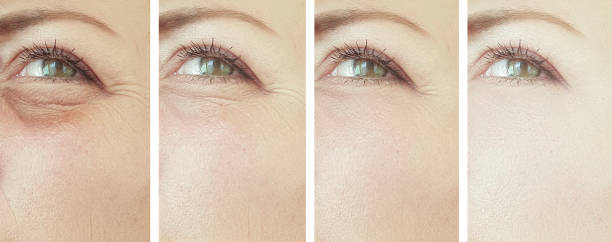
Collagen is an important structural protein that helps give skin its firmness and support. As you age, collagen production gradually declines, while existing collagen fibres undergo changes.
This can contribute to skin that appears less firm, along with fine lines, wrinkles, and changes in texture. The delicate eye area may show these changes particularly clearly because its skin is relatively thin and frequently moves during facial expressions.
Although no skincare product can completely reverse natural ageing, a consistent routine can help support the skin’s appearance.
Moisturisers can temporarily soften the look of fine lines, while ingredients such as retinoids may help improve the appearance of wrinkles over time. Retinoids can irritate sensitive skin, so introduce them cautiously and seek professional advice if you have concerns about using them near your eyes.

5. Make Sun Protection a Daily Habit
Sun exposure is one of the most important environmental contributors to premature skin ageing. Ultraviolet radiation can damage collagen and elastin, contribute to uneven pigmentation, and make fine lines more apparent.
If you focus on eye creams but overlook sun protection, you may be missing an essential part of your routine.
Choose a broad-spectrum SPF 30 or higher sunscreen suitable for the skin around your eyes, following its label directions and avoiding direct contact with the eyes. Sunglasses that provide adequate UV protection offer another useful layer of defence.
Daily sun protection is especially valuable because its benefits extend beyond the eye area to the rest of your face.
6. Check Whether Your Cleansing Routine Is Too Harsh
The skin around your eyes can become more sensitive as you age. Strong cleansers, fragranced products, and aggressive makeup removal may leave it feeling dry, irritated, or uncomfortable.
Instead of rubbing away mascara or eyeliner, use a gentle makeup remover suitable for the eye area. Allow it to loosen the makeup before wiping carefully with minimal pressure.
Avoid applying facial exfoliants or active ingredients too close to your eyes unless the product is specifically intended for that area.
A simpler routine is often easier to maintain and may be more comfortable for mature or sensitive skin.
7. Give Your Sleep Habits Another Look
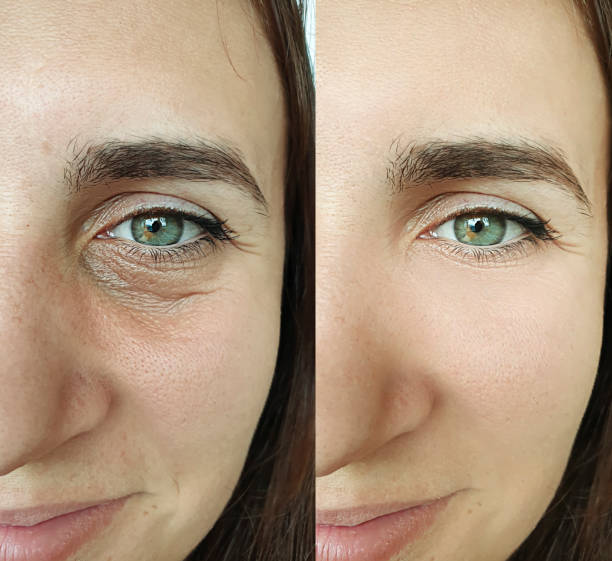
Sleep influences how refreshed your face appears. Inadequate rest can make dark circles and puffiness more noticeable, particularly if you are already prone to these concerns.
Aim for a consistent sleep schedule and enough rest to feel refreshed during the day. Most adults need around seven to nine hours of sleep each night, although individual requirements vary.
If you regularly wake up with tired-looking eyes, consider whether late-night screen use, irregular bedtimes, or disrupted sleep could be contributing.
Improving sleep will not eliminate genetic dark circles or reverse established wrinkles, but it can help address some of the everyday factors that make the eye area look fatigued.
8. Support Your Skin Through Everyday Nutrition
Healthy-looking skin benefits from a balanced diet that supplies the nutrients needed for normal tissue maintenance and repair.
Protein provides amino acids used to build collagen and other structural proteins. Vitamin C is essential for normal collagen formation, while a varied diet containing fruits, vegetables, healthy fats, and whole grains supports overall health.
Hydration matters, too. Drinking enough fluids helps maintain normal body function, although drinking excessive amounts of water will not directly erase wrinkles or eliminate dark circles.
Rather than relying on one beauty food or supplement, focus on a varied, sustainable eating pattern that supports your skin over time.

9. Reassess the Products You Use Around Your Eyes
A product that suited your skin several years ago may no longer feel comfortable or provide the results you want.
As your skin changes, consider whether your routine adequately addresses dryness, sensitivity, fine lines, and sun protection.
Ingredients worth understanding include:
- Hyaluronic acid: Helps attract and retain moisture, temporarily improving the appearance of dehydration lines.
- Ceramides: Help support the skin’s protective barrier and reduce moisture loss.
- Retinoids: May improve the appearance of fine lines and uneven skin texture with appropriate use.
- Peptides: Used in some skincare formulations to support the appearance of smoother, firmer-looking skin, although results depend on the specific product and its formulation.
Introduce new products gradually and avoid using several potentially irritating ingredients at once. Give your routine time to work, and remember that more products do not automatically mean better results.
10. Consider Whether Kollagen Intensiv Fits Your Overall Beauty Routine
Eye care is not limited to what you apply directly beneath your eyes. Your wider skincare and beauty routine can also influence how you approach hydration, skin texture, and the visible signs of ageing.
Kollagen Intensiv is a collagen-focused beauty product that may appeal to people looking to complement their existing skincare habits. For those concerned about fine lines, skin firmness, and an ageing appearance, it may be worth considering as part of a broader, realistic approach to skin care.
However, it is important to understand what a product can and cannot do. The effects depend on its specific formulation, ingredients, and intended use. If considering a topical product, assess its suitability for your skin and follow the manufacturer’s directions. If considering an ingestible collagen product, check its ingredients, suitability, and available evidence before use.
Collagen-focused products should not be viewed as guaranteed solutions for dark circles, under-eye bags, or wrinkles. They also cannot replace sunscreen, adequate sleep, balanced nutrition, and a consistent moisturising routine.
The most useful approach is to choose products that complement your needs rather than expecting one product to address every visible sign of ageing.

A More Thoughtful Approach to Eye Care as You Age
Tired-looking eyes do not necessarily mean you need a complete skincare overhaul. Often, the most helpful changes involve improving hydration, protecting your skin from the sun, reducing unnecessary irritation, and paying closer attention to sleep and everyday habits.
It is also worth remembering that dark circles, puffiness, and fine lines have different causes. Understanding what contributes to your particular concerns makes it easier to choose realistic solutions and avoid spending money on products that cannot address the underlying issue.
With a consistent routine and sensible product choices, you can support healthier-looking skin and feel more confident about how your eyes look as you age. The goal is not to eliminate every line or sign of maturity, but to care for your skin in a way that helps it look and feel its best.
Stay ahead of common signs of aging around the eyes. Subscribe for more
helpful tips and advice.