

Have you ever looked in the mirror after a full night’s sleep and wondered why your eyes still look tired? Dark circles, puffiness, fine lines, and dull-looking skin around the eyes can make you appear older or more exhausted than you feel. Even when the rest of your skincare routine seems to be working, the delicate under-eye area can be surprisingly difficult to manage.
The reason is simple: the skin around your eyes has unique needs. It is thinner and more delicate than much of the skin on your face, making it particularly sensitive to dryness, environmental damage, and the gradual changes that come with ageing.
Choosing the right skincare products can make a difference in how this area looks and feels. However, with so many creams, serums, and beauty treatments available, knowing what to look for is not always easy.
Here are ten important things to consider when choosing skincare for the under-eye area, along with practical ways to support a fresher, healthier-looking appearance.

1. Understand Why the Under-Eye Area Ages Differently
The skin beneath your eyes is naturally thin, with fewer oil glands than many other areas of the face. This means it can lose moisture more easily and may show fine lines sooner.
As you age, your skin gradually produces less collagen, a protein that helps maintain its structure and firmness. Elastin, which contributes to skin flexibility, also changes over time.
These natural processes can make the under-eye area appear less smooth and resilient.
When choosing skincare, look for products designed specifically for the delicate eye area rather than assuming that a regular facial moisturiser will always be suitable.
Skinception kollagen Intensiv Official Website:
2. Look for Ingredients That Support Hydration
Dehydration can make fine lines appear more noticeable, particularly around the eyes. Skin that lacks moisture may look dull, feel tight, and lose some of its natural softness.
Ingredients such as hyaluronic acid and glycerin help attract and retain water in the skin’s outer layers. When used in an appropriate formulation, they can help the under-eye area appear smoother and more comfortable.
A good eye cream should provide lasting moisture without leaving the skin feeling greasy or irritated.
Remember that hydration can temporarily soften the appearance of fine lines, but it does not permanently remove wrinkles.

3. Consider How Collagen Changes With Age
Collagen is an important structural protein that helps give skin its firmness and support. Over time, collagen production naturally declines, contributing to changes in skin texture, elasticity, and the visibility of fine lines.
This is one reason the under-eye area can look different as the years pass.
When choosing anti-ageing skincare, be cautious of products that promise to replace lost collagen or reverse ageing completely. Topical ingredients can support hydration and improve the appearance of skin, but their effects depend on the formulation and how they are used.
A thoughtful skincare routine should focus on realistic improvements rather than expecting a single product to restore youthful skin overnight.
4. Identify What Is Causing Your Dark Circles
Dark circles do not have one universal cause. Understanding what contributes to yours can help you choose more appropriate skincare.
Common factors include:
- Genetics: Some people naturally have darker pigmentation beneath their eyes.
- Thin skin: Visible blood vessels can contribute to a bluish or purplish appearance.
- Volume changes: Changes in the tissues beneath the eyes can create shadows.
- Sun exposure: Ultraviolet radiation can contribute to pigmentation and skin ageing.
- Fatigue: Poor sleep may make existing dark circles and puffiness more noticeable.
An eye cream containing moisturising ingredients may improve the appearance of tired-looking skin, while ingredients designed for pigmentation may help with certain types of discolouration.
However, skincare cannot correct every underlying cause of dark circles.

5. Choose Products That Address Puffiness
Puffy eyes can make you look tired, even when you feel perfectly rested.
Fluid retention, allergies, lack of sleep, and sleeping positions can all contribute to temporary puffiness. Age-related changes around the eyes can also make bags more noticeable.
A cool compress may help reduce temporary swelling. Some eye products contain caffeine, which may temporarily improve the appearance of puffiness in certain people.
It is also worth considering everyday habits, including adequate sleep, moderating excess salt intake, and managing allergies where appropriate.
If swelling develops suddenly, affects only one eye, or occurs with pain or vision changes, seek medical advice rather than relying on cosmetic skincare.
6. Pay Attention to Fine Lines and Skin Elasticity
Fine lines around the eyes can develop for several reasons, including repeated facial expressions, dryness, sun exposure, and natural ageing.
As collagen and elastin change over time, the skin may become less firm and resilient. This can make expression lines more noticeable, particularly when the skin is dehydrated.
Look for gentle moisturisers that help maintain the skin barrier. Depending on your skin’s needs, an appropriate retinoid product may also help improve the appearance of fine lines over time, although the delicate eye area requires particular care.
Introduce active ingredients gradually and discontinue products that cause persistent irritation. If you are unsure whether an ingredient is suitable for your eye area, ask a qualified skincare professional.

7. Never Overlook Sun Protection
Sun exposure is an important contributor to premature skin ageing. Ultraviolet radiation can damage the structures that support skin firmness and contribute to pigmentation, uneven texture, and wrinkles.
Even the most carefully selected eye cream cannot compensate for consistently unprotected sun exposure.
Make broad-spectrum sunscreen with SPF 30 or higher part of your daily routine, following the product’s directions and avoiding direct contact with your eyes.
Sunglasses and a hat can provide additional protection while helping you avoid squinting in bright sunlight.
These simple habits support the long-term appearance of the skin around your eyes.
8. Check Whether the Formula Suits Sensitive Skin
Because the under-eye area is delicate, stronger does not necessarily mean better.
Fragrances, harsh exfoliating ingredients, and certain active formulations may irritate sensitive skin. Irritation can lead to redness, dryness, and discomfort, making the area look worse rather than better.
When comparing products, consider:
- Whether the formula is intended for use around the eyes.
- Whether it contains ingredients you have previously reacted to.
- Whether the texture feels comfortable and provides sufficient moisture.
- Whether the product’s directions explain how much to apply and how often to use it.
Patch testing a new product can help identify potential reactions, although it cannot guarantee that irritation will not occur.
A simple, consistent routine is often more useful than layering numerous products with overlapping ingredients.
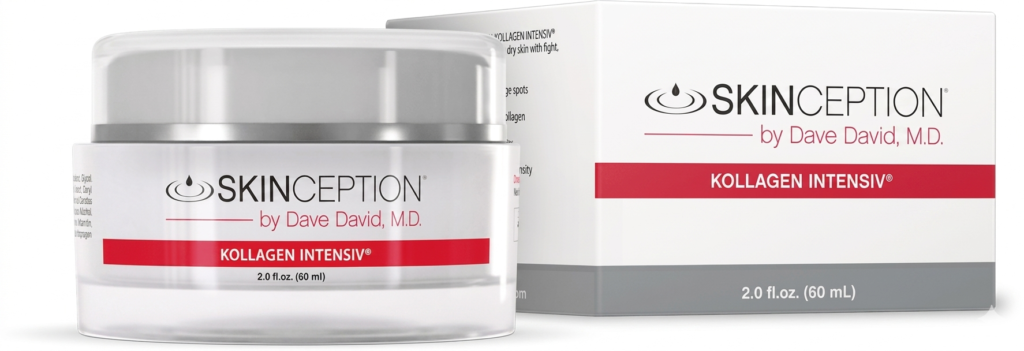
9. Consider Your Overall Beauty Routine, Including Kollagen Intensiv
Skincare works best when it forms part of a broader approach to looking after yourself. Hydration, sun protection, sufficient sleep, balanced nutrition, and appropriate skincare all contribute to the appearance of your skin.
For people interested in supporting their overall anti-ageing beauty routine, Kollagen Intensiv is another option they may wish to consider.
When evaluating Kollagen Intensiv, look carefully at its ingredient list, intended use, and product directions. Its suitability will depend on the specific formulation and your individual needs.
It is important to distinguish between supporting the appearance of the skin and making claims about reversing the ageing process. No skincare product can guarantee the elimination of dark circles, puffiness, or under-eye wrinkles.
Kollagen Intensiv should therefore be considered in the context of a realistic beauty routine rather than as a replacement for moisturising, sun protection, healthy habits, or appropriate professional advice.
The most useful approach is to choose products that match your concerns and assess their effects over time, without expecting dramatic overnight changes.
10. Be Consistent and Give Your Skincare Time to Work
One of the most common skincare mistakes is changing products too frequently.
When you try a new cream for only a few days before switching to something else, it becomes difficult to determine whether it is helping. Some products improve hydration relatively quickly, while changes in texture or the appearance of fine lines may take several weeks or longer.
Build a manageable routine that you can follow consistently.
For example, your morning routine might include gentle cleansing, a suitable moisturiser, and sunscreen. In the evening, you could use a gentle cleanser followed by an eye-area moisturiser and any appropriate treatment products.
Keep track of how your skin feels and looks, and introduce new products one at a time. If a product causes persistent irritation, stop using it.
Consistency allows you to make more informed decisions about which products deserve a place in your routine.
Final Thoughts: Choose Skincare That Meets Your Skin’s Needs
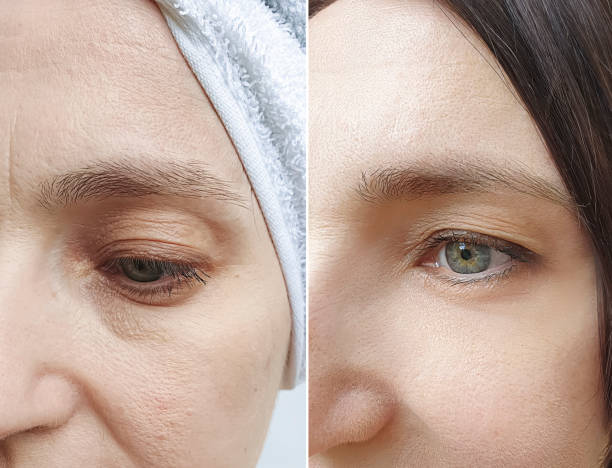
The under-eye area deserves special attention because its delicate structure makes it particularly susceptible to dryness, fine lines, puffiness, and visible signs of ageing.
Understanding your main concern is the first step towards choosing suitable skincare. Hydrating ingredients may help soften the appearance of fine lines, while sun protection and healthy lifestyle habits can support the skin over time.
It is equally important to have realistic expectations. Genetics, pigmentation, changes in underlying tissues, and natural ageing all influence how the under-eye area looks, and no single product can address every concern.
Whether you are refining your existing routine or considering an option such as Kollagen Intensiv, focus on informed choices, gentle care, and consistency.
You do not need an overflowing bathroom cabinet to care for the skin around your eyes. A few well-chosen products, sensible daily habits, and patience can help you maintain a smoother, more hydrated, and refreshed-looking appearance as your skin changes with age.
Keep discovering better ways to care for your eyes. Subscribe for more helpful
advice.