

Your eyes can be one of the first places to reveal that your skin is changing with age. One morning, you may notice that your eyes look more tired than usual, your under-eye area seems puffier, or fine lines are becoming easier to see. Dark circles can also appear more noticeable, even when you feel like you have had enough sleep.
The good news is that getting older does not mean you have to accept a permanently tired-looking appearance. Your skin’s needs change over time, and making a few thoughtful adjustments to your eye care routine can help you take better care of the delicate skin around your eyes.
Here are 10 changes worth considering as your skin ages.
1. Be More Gentle When Removing Makeup
The skin around your eyes is delicate, so aggressive rubbing can be particularly unhelpful.
Instead of scrubbing to remove mascara or eye makeup, use a gentle makeup remover and allow it a moment to loosen the product before wiping it away.
A softer approach can help reduce unnecessary pulling and friction around an area where fine lines are already becoming more visible.

2. Give Hydration More Attention
As skin ages, it can become drier and less able to retain moisture effectively. Dehydrated skin can make fine lines look more pronounced and may contribute to a dull, tired appearance.
Look for an eye-area moisturiser or hydrating product that suits your skin type. Keeping the surrounding skin comfortable and moisturised can make a noticeable difference to how smooth and refreshed it appears.
Remember that hydration is not only about what you put on your skin. Drinking enough water throughout the day also supports your body’s normal hydration needs.
3. Protect Your Eyes From Daily Sun Exposure
Sun exposure is one of the biggest environmental factors affecting visible skin ageing.
The delicate area around your eyes deserves protection just as much as the rest of your face. Regular use of broad-spectrum sunscreen, along with sunglasses and sensible sun protection, can help reduce unnecessary exposure.
This becomes increasingly important as you get older because cumulative environmental exposure can contribute to changes in texture, pigmentation and elasticity.
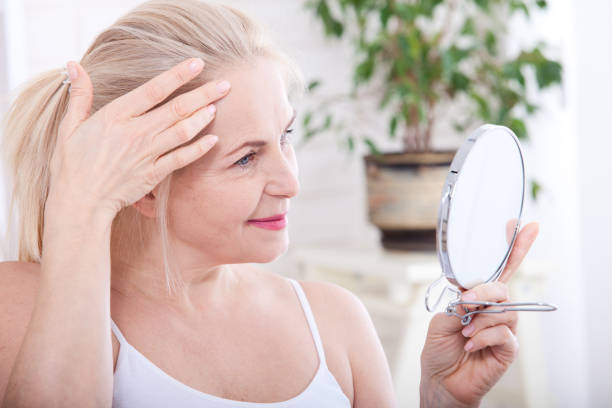
4. Stop Treating Fine Lines Like an Emergency
Fine lines around the eyes are a normal part of ageing. The goal should not be to panic every time you notice another one.
Instead, build a consistent routine that supports the skin over time.
Gentle cleansing, moisturising, sun protection, adequate sleep and a balanced lifestyle can all contribute to healthier-looking skin. Consistency generally matters more than constantly changing products.
5. Pay Attention To Collagen Support
Collagen is an important structural protein found throughout the body, including the skin. As we age, natural collagen production declines, which can contribute to changes in firmness, elasticity and the appearance of fine lines.
This is one reason mature skin can begin to look thinner or less resilient than it did when you were younger.
A beauty routine focused on healthy ageing can therefore include lifestyle choices and nutritional considerations that support overall skin health rather than focusing exclusively on surface-level products.

6. Take Puffiness Seriously, But Look Beyond Skincare
Puffy eyes are not always a skincare problem.
Lack of sleep, allergies, fluid retention, dehydration, dietary habits and simply having a difficult night can all influence how the area around your eyes looks the next morning.
Consider your routine as a whole.
Helpful habits may include:
- Getting consistent, quality sleep
- Staying adequately hydrated
- Managing known allergies
- Avoiding excessive rubbing of the eyes
- Maintaining a balanced diet
- Taking regular breaks if you spend long periods looking at screens
Sometimes improving the underlying habit can be more useful than adding another product.
7. Don’t Ignore Your Overall Diet
Your skin is influenced by more than your skincare cabinet.
As part of a balanced diet, nutrients from fruits, vegetables, lean proteins, healthy fats and other whole foods provide your body with the building blocks it needs for normal function.
Protein is particularly relevant because collagen itself is a protein. A varied diet that provides adequate protein and essential nutrients can therefore be an important part of an overall approach to healthy-looking skin.
No single food or supplement can replace a balanced diet.

8. Consider Adding Collagen To Your Beauty Routine
If maintaining youthful-looking skin is one of your priorities, you may also consider whether a collagen supplement fits into your overall routine.
Kollagen Intensiv is one option designed around collagen and beauty-focused nutritional support. For someone looking to complement their existing skincare habits, it may be worth considering as part of a broader approach rather than viewing it as a quick fix.
The important thing is to keep expectations realistic. A collagen supplement is not a replacement for sunscreen, sleep, hydration, good nutrition or sensible skincare. Individual experiences can also vary.
The most useful approach is to think of collagen support as one piece of a much larger healthy-ageing routine.
9. Give Your Eyes More Recovery Time
Modern lifestyles can put considerable strain on the eyes. Hours spent looking at phones, computers and televisions can leave your eyes feeling tired and make you more aware of dryness or discomfort.
Try incorporating regular screen breaks into your day. Looking away from the screen periodically can give your eyes a chance to rest.
Sleep is equally important. A consistent sleep routine can help you look more refreshed, while insufficient sleep can make dark circles and puffiness appear more noticeable.

10. Simplify Your Routine As You Get Older
It is tempting to respond to every new concern by adding another product.
But a complicated routine is not necessarily a better routine.
As your skin changes, focus on the fundamentals:
- Gentle cleansing
- Consistent moisturisation
- Daily sun protection
- Adequate hydration
- Nutritious food
- Quality sleep
- Stress management
- Appropriate nutritional support
A simple routine that you actually follow consistently can be more practical than a shelf full of products that you rarely use.
Why Eye Care Changes As You Age
The reason your eye area may look different over time is not usually one single factor.
Natural collagen loss, changes in hydration, reduced elasticity, environmental exposure, lifestyle habits and genetics can all play a role. The skin around the eyes is also particularly delicate, which can make changes there easier to notice.
That is why an effective approach to ageing skin should look beyond one cream or one ingredient.
Instead, consider the combination of daily habits, skincare, nutrition and protection.

A More Thoughtful Approach to Ageing Skin
You do not need to completely overhaul your beauty routine just because you are getting older.
Small changes can add up. Be gentler with the skin around your eyes, prioritise hydration, protect yourself from excessive sun exposure, get enough sleep and pay attention to your overall nutrition.
If collagen support is something you are interested in, a product such as Kollagen Intensiv can be considered as one part of that broader routine.
The goal is not to stop the natural ageing process. It is to take better care of your skin as its needs change, while keeping your expectations realistic and focusing on habits that support healthy, well-cared-for skin over time.
Stay informed about your eye care. Subscribe for more practical tips as your
eyes change with age.