Discover the everyday habits, lifestyle factors, and skincare mistakes that may be making your eyes look older and less refreshed—plus simple ways to help restore a brighter, well-rested appearance.

Your eyes are often the first feature people notice. They can make you appear energetic, confident, and youthful—or unintentionally communicate that you’re exhausted, even after a full night’s sleep.
The frustrating part? Many people blame ageing alone when, in reality, several everyday habits and overlooked skincare factors can influence how the delicate eye area looks.
If you’ve ever wondered why your eyes seem more tired in photos or why concealer isn’t giving you the fresh appearance you’re hoping for, you’re not alone.
Let’s explore ten common reasons eyes may appear more tired and what you can do to help them look brighter and healthier.
Why Eye Appearance Matters More Than You Think
The skin around your eyes is among the thinnest on the body. Because it’s so delicate, small changes in hydration, lifestyle, and collagen support often become visible here before they appear elsewhere.
As time passes, the eye area may become more vulnerable to:
- Fine lines
- Reduced firmness
- Puffiness
- Shadows beneath the eyes
- A less refreshed appearance
Fortunately, many contributing factors are within your control.
1. Inconsistent Sleep Patterns
While everyone knows sleep matters, consistency is just as important as total hours.
Irregular sleep schedules can affect circulation and fluid balance, making under-eye puffiness and dark-looking shadows more noticeable.
Helpful tips:
- Maintain a regular bedtime.
- Aim for quality sleep rather than simply spending more hours in bed.
- Reduce screen time before sleeping.
2. Dehydrated Skin Around the Eyes
Dry skin often exaggerates fine lines and makes the eye area appear less smooth.
Because the skin around your eyes contains fewer oil glands than other parts of the face, it loses moisture more easily.
Support hydration by:
- Drinking enough water throughout the day.
- Using gentle moisturisers designed for delicate skin.
- Avoiding overly harsh cleansers.
3. Natural Collagen Changes
Collagen is one of the key structural proteins that helps skin maintain firmness and elasticity.
As natural collagen production gradually declines with age, the skin around the eyes may appear thinner and less resilient.
Supporting overall skin health through a balanced diet, good skincare habits, and collagen-supportive ingredients may help maintain a smoother-looking appearance over time.

4. Too Much Sun Exposure
Ultraviolet (UV) rays are one of the biggest external contributors to premature skin ageing.
Repeated sun exposure can accelerate visible signs of ageing around the eyes, including fine lines and uneven-looking skin tone.
Simple protective habits include:
- Wearing sunglasses outdoors
- Applying sunscreen daily
- Seeking shade during peak sunlight hours
These small steps can make a noticeable difference over time.
5. Constant Eye Rubbing
Many people rub their eyes without realising how often they do it.
Whether triggered by allergies, fatigue, or irritation, frequent rubbing places unnecessary stress on delicate skin.
Instead:
- Treat underlying allergies if needed.
- Use lubricating eye drops when appropriate.
- Gently pat rather than rub the eye area.
6. Poor Nutrition
Healthy-looking skin reflects what happens inside the body.
A diet lacking essential nutrients may affect the appearance of the skin over time.
Focus on foods rich in:
- Vitamin C
- Vitamin E
- Healthy fats
- Colorful fruits and vegetables
- Lean protein
These nutrients support overall skin wellness while contributing to a healthier complexion.
7. Everyday Stress
Stress doesn’t simply affect mood—it can also influence how your skin looks.
Periods of prolonged stress may lead to:
- Poor sleep quality
- Increased facial tension
- Dull-looking skin
- A more fatigued appearance
Building stress-management habits such as walking, meditation, or regular exercise may indirectly benefit your overall appearance.
8. Skipping Daily Eye Care
Many skincare routines focus heavily on the forehead, cheeks, and jawline while largely ignoring the eye area.
Because this skin is unique, it often benefits from products specifically formulated for delicate under-eye care.
Consistency usually delivers better results than constantly switching products.
9. Makeup Habits That Emphasize Fatigue
Sometimes makeup unintentionally highlights rather than disguises tired-looking eyes.
Common examples include:
- Heavy concealer settling into fine lines
- Thick eyeliner making eyes appear smaller
- Skipping moisturizer before makeup
A lightweight, hydrated base often creates a fresher finish.
10. Simply Getting Older
Ageing is completely natural.
Over time, changes in skin elasticity, collagen levels, and hydration become increasingly visible around the eyes.
The goal isn’t to stop ageing—it’s to support healthier-looking skin while embracing natural beauty.
Small daily habits often add up to meaningful improvements over the long term.
The Common Mistake Most People Make
Many people focus only on covering tired-looking eyes with makeup.
While cosmetics certainly have their place, they don’t address the underlying appearance of the skin itself.
Instead, consider a complete approach that includes:
- Consistent sleep
- Daily sun protection
- Proper hydration
- Balanced nutrition
- Gentle skincare
- Long-term collagen support
When these habits work together, the eye area often appears healthier and more refreshed.
Why Many People Overlook This Issue
The gradual nature of eye ageing makes it easy to miss.
Because changes happen little by little, many people don’t notice them until photos suddenly reveal a more tired appearance than expected.
This is why prevention often matters just as much as correction.
Small improvements started today may help support healthier-looking skin for years to come.
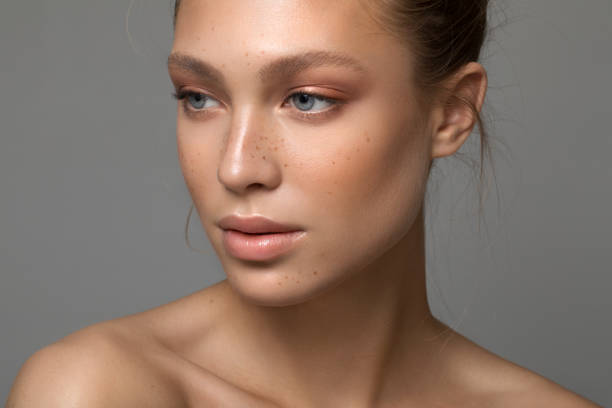
A Simple Addition That May Help Support the Eye Area
Healthy skincare isn’t about chasing miracle products—it’s about finding well-formulated products that complement good daily habits.
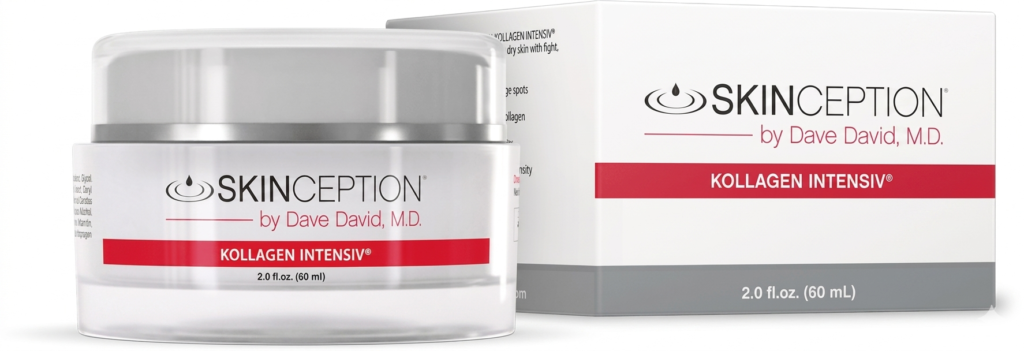
One option many people choose is Kollagen Intensiv, a skincare cream formulated to help support smoother, firmer-looking skin while improving hydration around areas that commonly show visible signs of ageing.
Rather than replacing healthy lifestyle habits, it can become part of a consistent skincare routine designed to maintain a fresher, more youthful-looking appearance.
If you’re already investing time in quality skincare, adding a targeted product may be worth considering as part of your overall routine.
Myth vs. Fact
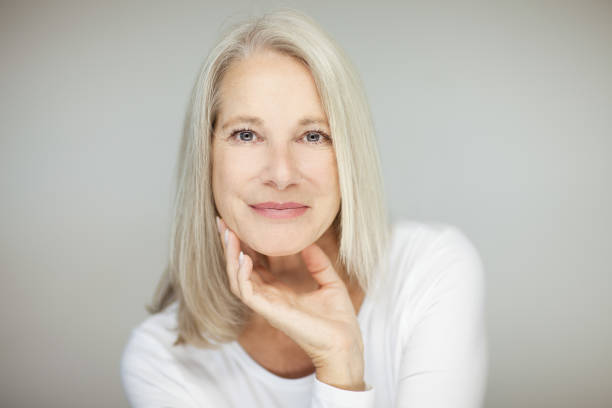
Myth: Only older adults develop tired-looking eyes.
Fact: Poor sleep, dehydration, stress, allergies, and sun exposure can affect eye appearance at almost any age.
Myth: More makeup always hides tired eyes.
Fact: Healthy skin preparation often makes a bigger difference than applying additional makeup.
Myth: Fine lines appear overnight.
Fact: They usually develop gradually through a combination of natural ageing and lifestyle influences.
Myth: Eye creams work instantly.
Fact: Consistency is generally more important than expecting immediate changes.
Frequently Asked Questions

Why do my eyes look tired even after sleeping well?
Several factors besides sleep—including hydration, stress, allergies, skincare habits, and natural collagen changes—can influence the appearance of the eye area.
Can dehydration really affect my eyes?
Yes. Dehydrated skin may make fine lines and dullness more noticeable, particularly around the delicate under-eye region.
Does sunscreen help around the eyes?
Protecting the surrounding skin from UV exposure can help reduce premature signs of ageing over time. Choose products appropriate for sensitive skin and avoid getting sunscreen directly into your eyes.
When should I start caring for the eye area?
It’s never too early to build healthy skincare habits. Consistent care may help maintain healthier-looking skin as the years go by.
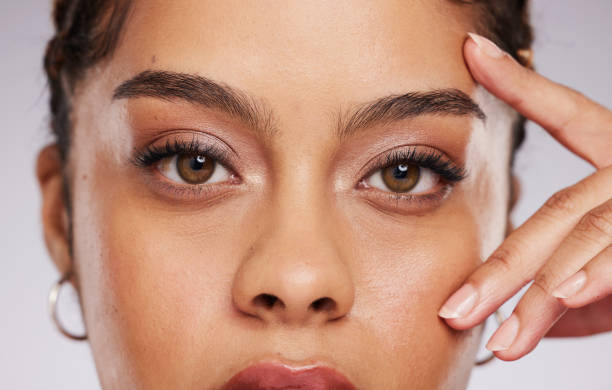
Can one skincare product fix tired-looking eyes?
No single product can address every cause. The best results typically come from combining healthy habits with a consistent skincare routine.
Key Takeaways
- The skin around the eyes naturally changes over time.
- Everyday habits often influence how tired your eyes appear.
- Hydration, sleep, nutrition, and sun protection all play important roles.
- Gentle, consistent skincare is usually more effective than quick fixes.
- Supporting collagen and maintaining skin hydration may contribute to a healthier-looking eye area.
Final Thoughts
Your eyes tell a story long before you speak, which is why caring for the delicate skin around them deserves a little extra attention.
The encouraging news is that many of the factors contributing to tired-looking eyes are influenced by everyday choices. Small improvements—whether that’s better hydration, consistent sun protection, healthier sleep habits, or a thoughtful skincare routine—can gradually support a brighter, more refreshed appearance.
If you’re looking to complement those healthy habits, Kollagen Intensiv may be a worthwhile addition to your daily routine. Its formula is designed to support smoother, healthier-looking skin around the eyes while fitting naturally into a consistent skincare regimen.
If you’d like to learn more about how Kollagen Intensiv works and decide whether it’s right for your skincare goals, click the affiliate link below to explore additional information. The best skincare decisions are informed ones—and investing a few minutes today could help you build a routine your future self will appreciate.
⭐⭐⭐⭐⭐ Trusted by Thousands of Happy Customers • 67-Day Money-Back Guarantee