Discover the everyday habits and hidden factors that may be affecting the appearance of your eyes—and what you can do to help them look brighter, smoother, and more refreshed.
The eyes are often the first feature people notice—and unfortunately, they’re usually the first place to reveal signs of fatigue, stress, and aging.
Even if you eat well, exercise regularly, and follow a skincare routine, your eye area can still appear dull, tired, or less vibrant than you’d like. Many people immediately blame age, but the truth is that several everyday habits and environmental factors can gradually change the way the delicate skin around your eyes looks.
The encouraging news? Many of these influences are within your control.
Understanding what contributes to a less vibrant eye area can help you make smarter skincare and lifestyle choices that support healthier-looking skin over time.
Let’s explore the most common factors that may be affecting your eye area’s appearance.

Why the Eye Area Changes Faster Than the Rest of Your Face
The skin around your eyes is naturally thinner than most other areas of your face. It contains fewer oil glands and experiences constant movement from blinking, smiling, and facial expressions throughout the day.
Because of these unique characteristics, this delicate area is often more vulnerable to:
- Fine lines
- Dryness
- Puffiness
- Uneven-looking texture
- A tired appearance
Small daily habits may not seem significant individually, but over months and years they can noticeably affect how refreshed your eyes appear.
1. Lack of Consistent Hydration
Hydrated skin generally appears smoother and healthier.
When your body—or your skincare routine—doesn’t provide enough moisture, the delicate skin around the eyes may look less supple and more prone to showing fine lines.
Simple improvements include:
- Drinking adequate water throughout the day
- Using a gentle moisturizer designed for the eye area
- Avoiding overly harsh cleansing products

2. Inconsistent Sleep Habits
Quality sleep gives your skin time to recover from daily stress.
Irregular sleep schedules can contribute to an overall tired appearance, especially around the eyes.
Helpful habits include:
- Maintaining a consistent bedtime
- Limiting screen time before sleep
- Creating a relaxing nighttime routine
Even small improvements in sleep quality can positively influence how refreshed your face appears.
3. Sun Exposure Over Time
Sunlight is one of the biggest external factors influencing how skin ages.
The eye area receives regular UV exposure, yet many people forget to protect it consistently.
Daily habits that help include:
- Wearing sunglasses outdoors
- Applying sunscreen around the face (avoiding direct contact with the eyes)
- Seeking shade during peak sunlight hours
Preventive care often has long-term benefits for maintaining youthful-looking skin.

4. Natural Collagen Changes
Collagen helps provide skin with structure and firmness.
As we get older, the body’s natural collagen production gradually slows. This normal process may contribute to skin that appears thinner or less firm around the eyes.
Supporting your skin with a consistent skincare routine that focuses on hydration and quality ingredients may help improve the overall appearance of this delicate area.
5. Daily Rubbing and Friction
Many people unknowingly rub their eyes several times a day.
Whether it’s from allergies, tiredness, or simply habit, repeated friction can place unnecessary stress on delicate skin.
Instead:
- Gently pat skincare products into the skin.
- Remove makeup carefully.
- Avoid aggressive rubbing whenever possible.
Gentle treatment can make a noticeable difference over time.
6. Skipping Eye-Specific Skincare
Not all facial skincare products are designed for the delicate eye area.
Because this skin is thinner, it often benefits from ingredients formulated specifically for its unique needs.
Look for products that focus on:
- Hydration
- Skin conditioning
- Supporting smoother-looking texture
- Improving the appearance of firmness
Consistency usually matters more than using many different products.

7. Environmental Stressors
Daily exposure to pollution, dry indoor air, changing weather, and environmental irritants may gradually affect your skin’s appearance.
While these factors can’t always be avoided, you can support your skin by:
- Cleansing gently each evening
- Moisturizing regularly
- Protecting your skin from excessive environmental exposure
Small preventive habits often add up over time.
8. Poor Nutrition Choices
Healthy-looking skin reflects many aspects of overall wellness.
A balanced diet containing vitamins, minerals, healthy fats, and antioxidant-rich foods supports normal skin function.
Foods commonly associated with skin health include:
- Leafy greens
- Colorful berries
- Nuts
- Fatty fish
- Citrus fruits
Good nutrition works alongside—not instead of—a thoughtful skincare routine.

9. Stress and Everyday Lifestyle Factors
Chronic stress affects more than your mood.
Periods of prolonged stress may influence sleep quality, hydration habits, and self-care routines—all of which can impact how refreshed your eye area looks.
Helpful stress-management strategies include:
- Regular physical activity
- Relaxation techniques
- Spending time outdoors
- Maintaining healthy daily routines
Taking care of yourself often shows in your skin.
10. Choosing Products That Don’t Match Your Skin
One of the biggest mistakes people make is assuming every skincare product works for everyone.
Skin changes over time.
A product that worked five years ago may no longer provide the same benefits today.
Pay attention to how your skin responds and adjust your routine as your needs evolve.

Why Many People Overlook This Issue
Most people focus on treating visible signs after they appear.
Instead, maintaining vibrant-looking skin is often about the small habits practised consistently every day.
People frequently overlook the following:
- Daily sun protection
- Gentle cleansing
- Long-term hydration
- Consistent sleep
- Eye-specific skincare
Improving these foundational habits can support healthier-looking skin over time.
Myth vs. Fact

Myth: Expensive skincare automatically delivers better results.
Fact: Consistency, suitable ingredients, and a routine that matches your skin often matter more than price alone.
Myth: The eye area only changes because of ageing.
Fact: Lifestyle, hydration, sleep, sun exposure, and skincare habits all contribute to how vibrant the eye area appears.
Myth: Eye creams are unnecessary.
Fact: While not essential for everyone, products specifically formulated for the delicate eye area may provide targeted hydration and skin-conditioning benefits.
A Supportive Addition to Your Routine
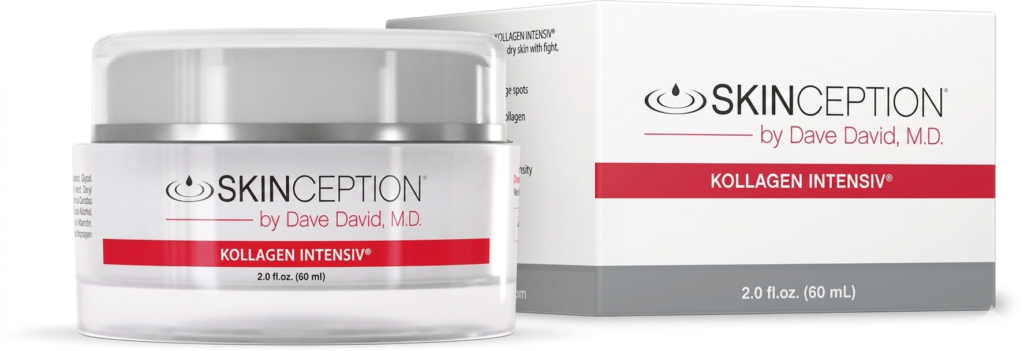
If you’re looking to enhance your current skincare routine, Kollagen Intensiv is one option worth exploring.
Its formula is designed to support healthier-looking skin by helping improve the appearance of hydration, smoothness, and firmness around the delicate eye area. Rather than replacing healthy daily habits, it works best as part of a consistent skincare routine that includes sun protection, gentle cleansing, and good overall skincare practices.
Many people appreciate incorporating products like Kollagen Intensiv into their routine because maintaining healthy-looking skin is usually the result of many small, consistent choices—not one single product.
Frequently Asked Questions

Can the eye area naturally lose vibrancy over time?
Yes. Normal aging, environmental exposure, lifestyle habits, and changes in skin structure can all influence how vibrant the eye area appears.
Does drinking more water instantly improve the eye area?
Hydration supports overall skin health, but visible improvements generally come from combining healthy hydration with consistent skincare and lifestyle habits.
Is sunscreen important around the eyes?
Protecting the surrounding facial skin from UV exposure is an important part of maintaining healthy-looking skin. Sunglasses also provide valuable protection.
How long does it take to notice skincare improvements?
Everyone’s skin is different. Consistency over several weeks is typically more important than expecting immediate changes.
Should I use a separate eye product?
Some people benefit from products specifically formulated for the delicate eye area because they focus on gentle hydration and skin-conditioning ingredients.
Key Takeaways
- The eye area is naturally delicate and often shows changes first.
- Small daily habits have a cumulative impact over time.
- Hydration, sleep, nutrition, and sun protection all play important roles.
- Gentle skincare and consistency usually outperform complicated routines.
- Supporting your routine with targeted skincare may help improve the appearance of smoother, healthier-looking skin.
Final Thoughts
Your eyes naturally draw attention, making the skin around them one of the most noticeable areas of your face. While changes over time are completely normal, many of the factors that influence a less vibrant appearance are connected to everyday habits that you can improve.
By focusing on hydration, quality sleep, balanced nutrition, gentle skincare, and consistent sun protection, you’re giving your skin the support it needs to look its best. If you’d also like to add a targeted skincare product to your routine, Kollagen Intensiv may be a helpful complement for supporting healthier-looking skin around the eyes.
If you’re curious to learn more about how Kollagen Intensiv works and whether it could fit into your skincare routine, click the affiliate link below to explore additional information. Taking a few minutes today could help you make a more informed decision about caring for one of the most expressive features of your face.
⭐⭐⭐⭐⭐ Trusted by Thousands of Happy Customers • 67-Day Money-Back Guarantee