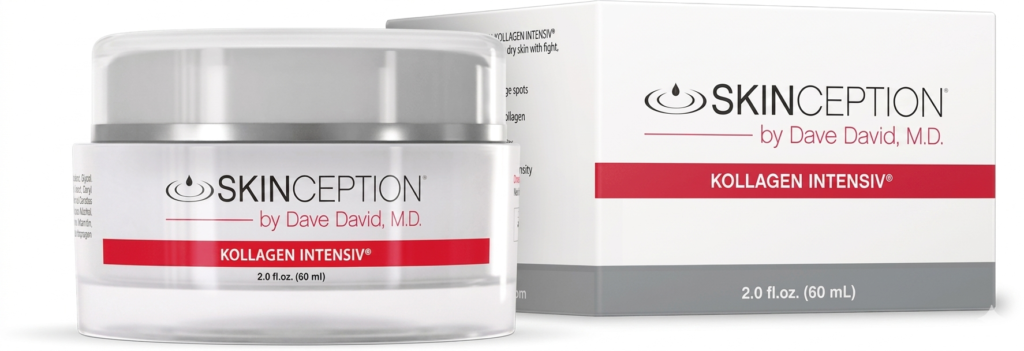
Have you ever looked in the mirror after a full night’s sleep and still felt your eyes looked tired? Small Everyday Habits May Be Making Your Eyes Look Older Than They Really Are
You’re not alone.
For many women, the eye area is one of the first places to show visible signs of aging. Fine lines, puffiness, dark circles, and loose-looking skin can gradually appear, making you look older or more fatigued than you actually feel.
The good news is that aging around the eyes isn’t caused by just one factor. Instead, it’s often the result of several lifestyle, environmental, and biological influences working together over time.
Understanding these factors can help you make informed choices that support healthier-looking skin and a brighter, more refreshed appearance.
Let’s look at ten common contributors to older-looking eyes—and practical ways to care for this delicate area.
🌸 1. Natural Collagen Decline
One of the biggest reasons eyes begin to look older is the body’s natural reduction in collagen production.
Collagen is a structural protein that helps keep skin firm, smooth, and resilient. As we age, collagen production gradually slows, making the thin skin around the eyes more susceptible to fine lines and reduced elasticity.
What You Can Do
- Eat a balanced diet rich in vitamin C and protein.
- Protect skin from excessive sun exposure.
- Follow a consistent skincare routine.
- Consider skincare products designed to support the appearance of firmer-looking skin.
☀️ 2. Too Much Sun Exposure
Ultraviolet (UV) rays are one of the leading external contributors to premature skin aging.
Years of unprotected sun exposure can accelerate the breakdown of collagen and elastin, increasing the appearance of wrinkles and uneven skin texture around the eyes.
Helpful Tips
- Wear sunglasses outdoors.
- Apply a broad-spectrum SPF daily.
- Seek shade during peak UV hours.
- Reapply sunscreen when spending extended time outside.
Daily sun protection is one of the simplest long-term habits for maintaining healthier-looking skin.
😴 3. Poor Sleep Quality
Sleep is when your body performs many of its natural repair processes.
Consistently poor sleep may contribute to:
- Puffiness
- Dark circles
- Dull-looking skin
- Less refreshed eyes
While one late night won’t permanently age your skin, chronic sleep deprivation can gradually affect your overall appearance.
Try This
Aim for:
- 7–9 hours of quality sleep
- A consistent bedtime
- A cool, dark bedroom
- Limiting screens before bed
Small improvements in sleep habits often make a noticeable difference.
💧 4. Dehydrated Skin
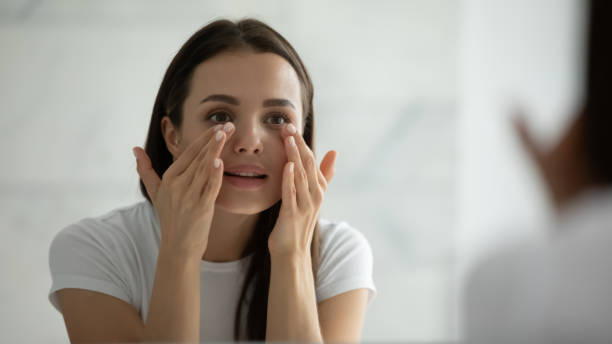
The eye area contains some of the thinnest skin on the body.
When skin becomes dehydrated, fine lines often appear more noticeable, and the eye area can lose some of its natural plump appearance.
Keep Skin Hydrated
- Drink enough water throughout the day.
- Use a gentle moisturizer.
- Avoid harsh cleansers.
- Consider using a humidifier during dry seasons.
Hydrated skin generally reflects light better, contributing to a smoother-looking appearance.
🍭 5. High Sugar Intake
A diet high in added sugars may contribute to a process known as glycation.
During glycation, excess sugar can bind to proteins like collagen and elastin, making them less flexible over time.
Although aging is inevitable, reducing excessive sugar intake may help support healthier skin over the long term.
Better Choices
Instead of sugary snacks, choose:
- Fresh berries
- Nuts
- Greek yogurt
- Vegetables
- Lean protein
- Whole grains
These foods provide nutrients that support overall skin health.
⭐⭐⭐⭐⭐ Trusted by 1000+ Customers • 67-Day Money-Back Guarantee • 100% Satisfaction Guarantee