

Puffy-looking eyes can make you appear tired, even after a full night’s sleep. You might notice swelling beneath your eyes in the morning, darker shadows that seem difficult to conceal, or fine lines that become more noticeable as your skin changes with age. The frustrating part is that these concerns do not always disappear with a little extra rest.
The good news is that caring for the delicate skin around your eyes does not have to involve an expensive collection of beauty products. Small, consistent habits can help improve the appearance of puffiness, support skin hydration, and give your eye area a fresher, more refreshed look.
If you want to understand why your eyes look puffy and what you can do about it, here are 10 simple ways to make eye care a more effective part of your daily routine.
Why Do Your Eyes Look Puffy?
The skin around your eyes is thinner and more delicate than much of the skin on your face. This makes changes in fluid balance, sleep, circulation, and skin structure more noticeable.
Common causes of puffy-looking eyes include:
- Fluid retention: Fluid can collect beneath the eyes, particularly after waking up.
- Poor sleep: Not getting enough quality sleep may make puffiness and dark circles more noticeable.
- Allergies: Seasonal allergies and irritation can contribute to swelling and rubbing around the eyes.
- Dietary habits: A salty evening meal may encourage temporary fluid retention.
- Natural ageing: Over time, skin can lose some of its firmness and elasticity, making under-eye bags more apparent.
Understanding the possible cause of your puffiness helps you choose the habits most likely to make a difference.
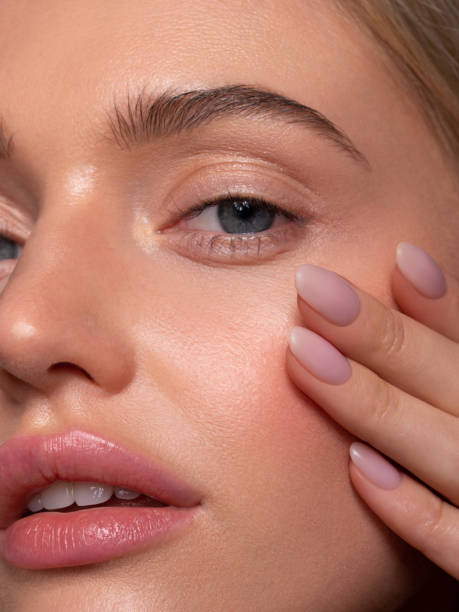
1. Apply a cool compress in the morning.
One of the simplest ways to care for puffy-looking eyes is to use a cool compress.
Cool temperatures can temporarily reduce the appearance of swelling by constricting blood vessels and helping the area look less inflamed. This can be particularly useful when you wake up with noticeable puffiness.
Soak a clean, soft cloth in cool water, wring it out, and gently place it over your closed eyes for five to ten minutes.
Avoid placing ice directly against your skin. The under-eye area is delicate, and extreme cold can cause irritation.
2. Make Quality Sleep a Priority
Your sleeping habits can influence how refreshed your eyes look the following morning.
Insufficient sleep may make dark circles more noticeable and contribute to a tired appearance. Although sleep cannot eliminate every cause of under-eye bags, establishing a regular routine can help improve your overall appearance.
Aim for seven to nine hours of sleep each night if you are an adult.
Try to go to bed and wake up at consistent times, reduce screen use before bedtime, and create a comfortable sleeping environment.
If morning puffiness is a recurring concern, slightly elevating your head while sleeping may also help reduce fluid accumulation around the eyes.

3. Stay Hydrated Throughout the Day
Hydration is an important part of maintaining healthy-looking skin.
When your body does not receive enough fluid, your skin may appear less fresh, and fine lines can become more noticeable. Drinking adequate water supports normal bodily functions and helps maintain fluid balance.
Keep water accessible throughout the day and drink regularly rather than waiting until you feel very thirsty.
Remember that drinking excessive amounts of water will not automatically remove eye bags. The aim is to maintain adequate hydration, not to force yourself to drink more than your body needs.
4. Reduce Excess Salt in Your Evening Meals
Have you ever noticed that your eyes look puffier after a takeaway meal or a particularly salty dinner?
Sodium helps regulate fluid balance, but consuming too much can encourage temporary fluid retention in some people. This may contribute to a swollen appearance beneath the eyes, especially the following morning.
Try balancing salty foods with fresh vegetables, fruit, whole grains, and other minimally processed foods.
You do not need to eliminate salt completely. Focus on moderation and pay attention to whether certain meals seem to affect your morning appearance.

5. Use a Gentle Moisturiser Around Your Eyes
Dry skin can make fine lines and uneven texture more noticeable. A suitable moisturiser helps support the skin barrier and reduces moisture loss, leaving the eye area feeling softer.
Look for a fragrance-free product formulated for sensitive facial skin or specifically for the eye area.
Ingredients such as glycerine, hyaluronic acid, and ceramides can help attract moisture or support the skin barrier.
Apply a small amount gently, following the product instructions. Avoid rubbing or pulling the skin, as repeated friction can cause irritation.
While moisturisers can improve the appearance of dehydration-related lines, they cannot permanently remove under-eye bags or reverse all signs of ageing.
6. Protect Your Skin From the Sun
Sun exposure contributes to premature skin ageing, including changes in firmness, texture, and the appearance of fine lines.
Because the skin around your eyes is delicate, daily sun protection is an important part of maintaining a youthful-looking appearance.
Use a broad-spectrum sunscreen of SPF 30 or higher, choosing a formula suitable for the eye area. Wear sunglasses that provide UV protection and consider a hat when spending time outdoors.
Consistent protection can help limit further sun-related skin damage, even if it cannot undo changes that have already occurred.

7. Be Gentle When Removing Makeup
Rubbing your eyes to remove mascara, eyeliner, or concealer can irritate the delicate skin around them.
Repeated friction may contribute to redness and make the area more sensitive. If you are already concerned about dark circles or fine lines, a gentler approach is worthwhile.
Choose a suitable makeup remover, hold a soft cotton pad against the area briefly to loosen makeup, and wipe away the product without scrubbing.
Avoid pulling at your lower eyelids, and remove makeup before going to bed to reduce the risk of irritation.
8. Address Allergies and Eye Irritation
Sometimes, puffy-looking eyes have less to do with ageing and more to do with allergies.
Pollen, dust, pet dander, and other triggers can cause itchy, watery eyes and swelling. Rubbing the area may make the problem worse.
If allergies are a likely cause, try to identify and reduce your exposure to the relevant triggers. A cool compress may provide temporary comfort.
Avoid rubbing your eyes, even when they feel itchy. If symptoms persist, a pharmacist or healthcare professional can help you choose an appropriate treatment.
Sudden or severe swelling, especially when accompanied by pain, redness, fever, or vision changes, should be assessed promptly.

9. Support Your Skin With a Balanced Diet
Healthy-looking skin benefits from a varied diet that provides essential nutrients.
Protein supplies amino acids used throughout the body, including in the production of collagen. Vitamin C is also essential for normal collagen formation, while other vitamins, minerals, and healthy fats contribute to overall skin health.
Include foods such as the following:
- Eggs, fish, beans, and other protein sources.
- Citrus fruits, berries, and vegetables rich in vitamin C.
- Nuts, seeds, and other sources of healthy fats.
- A variety of colourful vegetables and whole fruits.
No single food will eliminate puffiness or erase wrinkles. However, consistently meeting your nutritional needs supports the body’s normal processes and contributes to general wellbeing.
10. Consider Collagen Support as Part of Your Beauty Routine
Collagen is a structural protein that helps provide the skin with support and firmness. As we age, natural collagen production declines, and the skin gradually changes in thickness, elasticity, and texture.
These changes can make fine lines more noticeable and may contribute to the appearance of ageing around the eyes. However, puffiness can also result from fluid retention, allergies, genetics, and changes in the tissues beneath the eyes.
This distinction matters because collagen support is not a direct solution for every type of under-eye concern.
Kollagen Intensiv is an option worth researching if you are interested in adding a collagen-focused beauty product to your overall skincare routine. When considering it, review its current ingredient list, directions, and available evidence carefully to determine whether it suits your needs.
Collagen-focused products are often marketed for skin firmness, hydration, and the appearance of fine lines. Some research on oral collagen peptides suggests potential benefits for skin hydration and elasticity, but the evidence varies, and results depend on the formulation and individual.
It is important not to assume that every collagen product has the same effects or that a topical product works in the same way as an oral supplement.
Kollagen Intensiv should be considered a possible addition to a broader approach that includes adequate sleep, balanced nutrition, hydration, gentle skincare, and sun protection. It should not be viewed as a guaranteed way to eliminate puffy eyes, dark circles, or wrinkles.
Give Your Eyes Consistent Care
Puffy-looking eyes can have several causes, which is why there is rarely one solution that works for everyone. Simple habits such as applying a cool compress, getting enough sleep, staying hydrated, protecting your skin from the sun, and using gentle skincare can all contribute to a fresher appearance.
It is also worth remembering that some under-eye changes are a natural part of ageing. Genetics, facial structure, and changes in the tissues around the eyes can influence how much puffiness or shadowing you see.
Start with the habits that best match your concerns and give your routine time to become consistent. If puffiness persists, worsens, or appears suddenly, seek appropriate medical advice.
Healthy-looking eyes are not about achieving perfection. They are about caring for your skin, supporting your overall wellbeing, and choosing realistic steps that help you look and feel your best.
Don’t stop here. Subscribe for more practical tips on caring for your eyes as
they age.