You can have a carefully chosen skincare routine, drink plenty of water, and still wake up one morning wondering why your eyes make you look more tired than you actually feel.
The frustrating part is that eye bags aren’t always caused by one simple problem. Genetics, sleep, fluid retention, sun exposure, skin thickness and the natural aging process can all influence how the area beneath your eyes looks.
And there’s another piece that’s easy to overlook: the changing structure of your skin.
As we age, collagen in the skin gradually becomes less abundant and more fragmented. Because collagen provides structural support, these changes can contribute to thinner, less resilient skin and make certain lines, shadows and contours around the eyes more noticeable.
So before buying another eye product, it may be worth asking a different question: What could be causing my eye bags to remain noticeable in the first place?
Here are 10 possibilities to consider.
1. You’re Treating the Symptom, Not the Bigger Picture
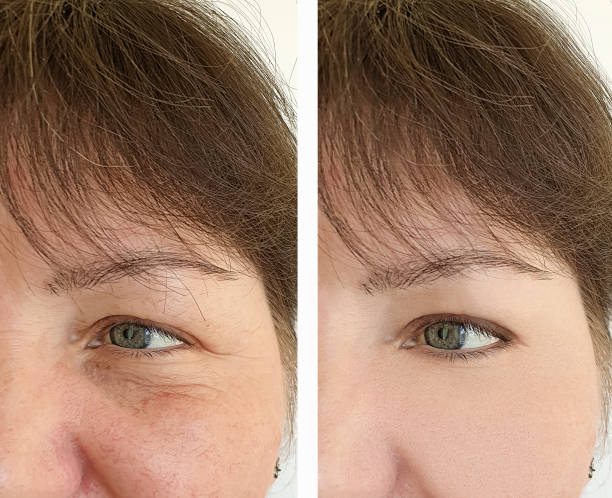
An eye cream may moisturize the skin, but the appearance of under-eye bags can involve several factors at once.
If your routine focuses exclusively on puffiness or dark circles while ignoring overall skin aging, hydration and collagen support, you may not be addressing everything contributing to the appearance.
Think beyond the eye area and consider the condition of the surrounding skin too.
2. Natural Collagen Changes Are Becoming More Noticeable
Collagen is one of the major structural proteins in skin. Over time, collagen production declines and existing collagen becomes increasingly fragmented. Research describes this as an important feature of chronological skin aging and photoaging.
Around the eyes, where the skin is particularly delicate, changes in structure can make fine lines, creasing and shadows more apparent.
This doesn’t mean collagen is a magic solution for eye bags. It simply means that understanding collagen is important when you’re looking at the bigger picture of aging skin.
3. Your Skin May Be Losing Moisture
Sometimes what looks like worsening lines is partly a hydration issue.
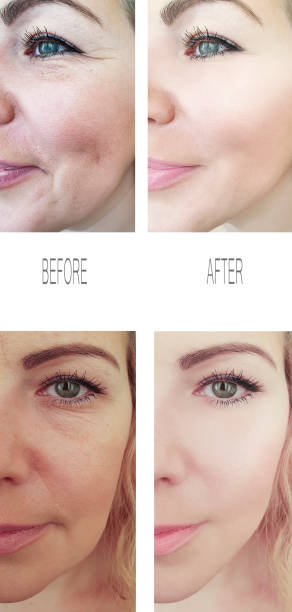
As skin ages, it can become drier and less effective at retaining moisture. Dryness can emphasize texture and make fine lines appear more prominent.
A consistent moisturizer and gentle skincare routine can help support the skin barrier and improve the way the skin looks and feels.
4. You’re Underestimating Sun Exposure
Your eyes aren’t the only area affected by sun exposure.
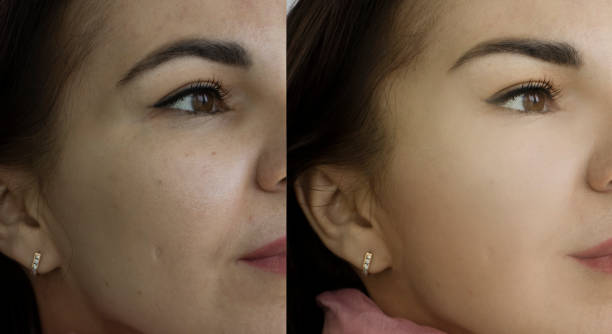
Chronic ultraviolet exposure contributes to photoaging and can accelerate changes within the skin’s collagen structure. Dermatologists recommend broad-spectrum SPF 30 or higher as part of everyday skin-aging prevention.
If you’re investing in an anti-aging skincare routine but skipping daily sun protection, you’re overlooking one of the fundamentals.
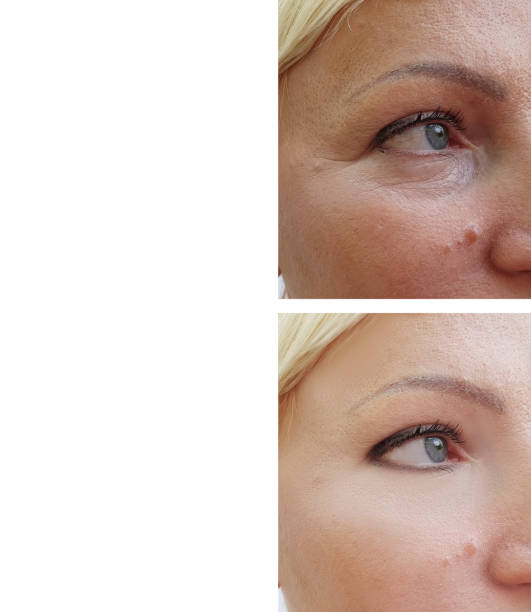
5. Your Sleep Pattern May Be Showing on Your Face
A few late nights can make the under-eye area look considerably different.
Poor sleep can contribute to a tired-looking complexion and make existing shadows or puffiness more noticeable. While improving sleep won’t reverse structural changes in skin, consistent rest is still an important part of an overall approach to looking refreshed.
6. Genetics May Play a Bigger Role Than You Think
Sometimes the answer isn’t your skincare routine at all.
The shape of your eye socket, distribution of fat beneath the skin, pigmentation and inherited facial characteristics can influence the appearance of under-eye bags and dark circles.
That’s why comparing your results with someone else’s can be misleading. Two people can use the same products and see very different results.
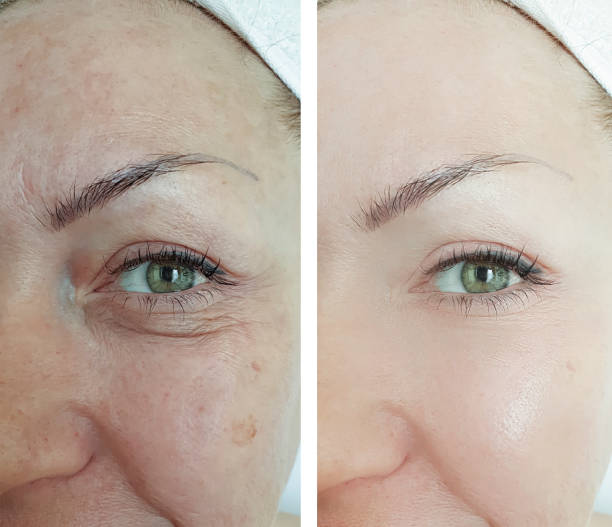
7. You’re Expecting Overnight Changes
Skin doesn’t transform in a few days.
Whether you’re improving hydration, establishing better sun protection or introducing a new skincare product, consistency matters. Giving a routine enough time to evaluate it is usually more sensible than constantly switching from one product to another.
The goal should be gradual improvement in the overall appearance and condition of your skin—not chasing instant perfection.
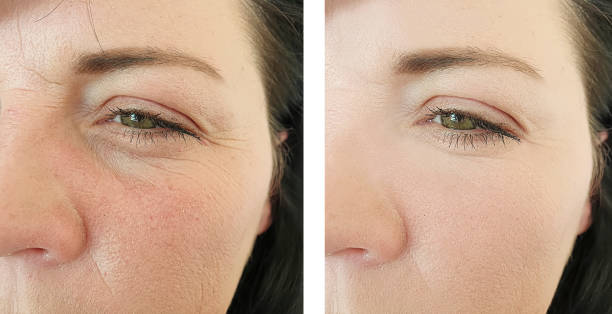
8. Your Skincare Routine May Be Too Aggressive
More isn’t necessarily better.
Over-exfoliating, using too many active ingredients or constantly changing products can leave the skin feeling irritated and uncomfortable.
The delicate eye area deserves particular care. A simple routine built around gentle cleansing, appropriate moisturization and sun protection may be a better foundation than layering numerous aggressive products.
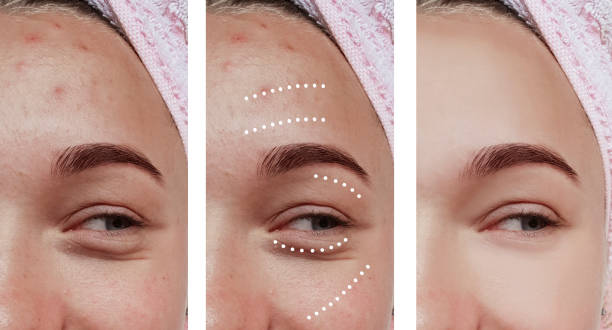
9. You’re Focusing Only on Your Eyes
This may be the most overlooked point.
Your under-eye appearance is part of your entire facial skin environment. If the surrounding skin looks dry, uneven or increasingly lined, the eye area can appear more tired by comparison.
Instead of treating your eyes as an isolated problem, consider a broader skin-aging strategy that supports hydration, texture, firmness and overall skin appearance.
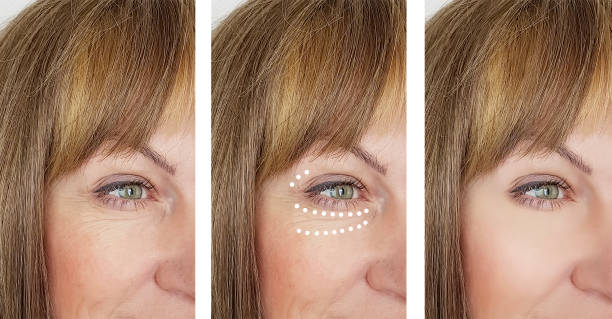
10. Your Routine May Be Missing a Collagen-Focused Approach
Collagen has become a major focus of skin-aging research because of its role in maintaining the skin’s structure, firmness and resilience.
However, it’s important to keep expectations realistic. Research into collagen-based skincare and supplementation is still evolving, and results vary between products, formulations and studies. Some reviews have reported improvements in hydration and elasticity, while more recent analysis has raised questions about the quality and funding of some of the evidence.
That makes it sensible to look for a skincare product based on a broader formulation rather than expecting one ingredient to solve every visible sign of aging.
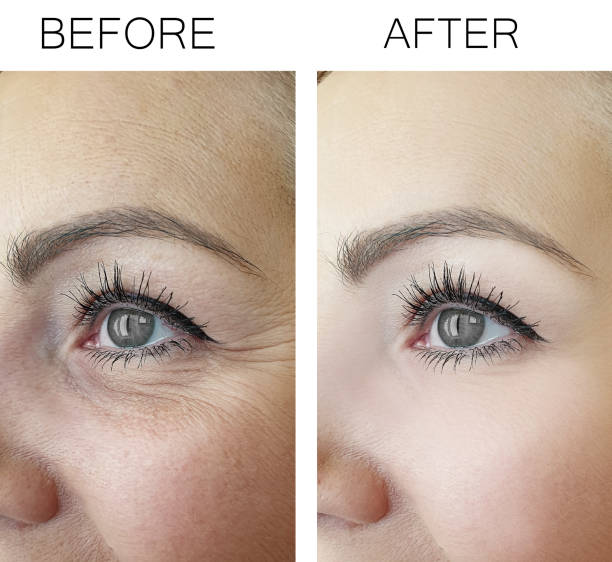
Where Does Kollagen Intensiv Fit In?
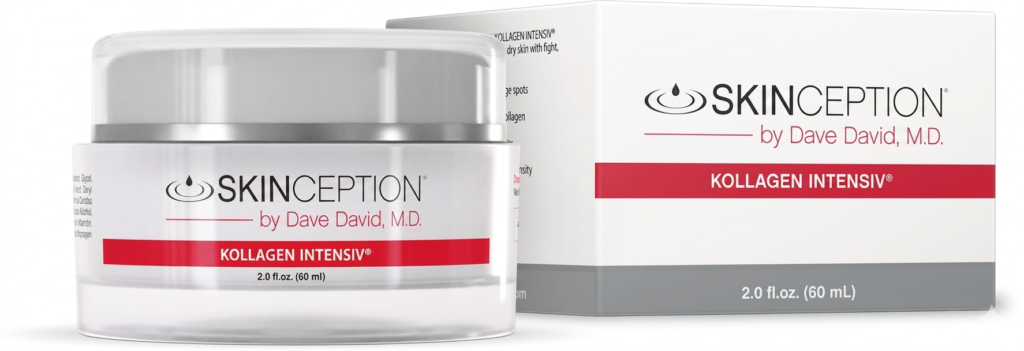
If your goal is to build a more comprehensive anti-aging skincare routine, Kollagen Intensiv is one product worth investigating.
Its formulation includes SYN®-COLL, a patented peptide, along with ingredients such as hyaluronic acid, vitamin C derivatives, peptides, shea butter, glycerin and green tea extract. The manufacturer positions the formula around supporting collagen production, hydration and the appearance of wrinkles.
The important distinction is that Kollagen Intensiv shouldn’t be viewed as a guaranteed solution for eye bags. Under-eye appearance can have multiple causes, and no topical cream can change genetic facial structure or eliminate every factor behind puffiness.
Instead, it can be considered as part of a consistent skincare routine focused on hydration, skin texture and the visible signs of collagen-related aging.
For anyone already frustrated by trying product after product, that broader approach may be more useful than simply searching for another quick fix.
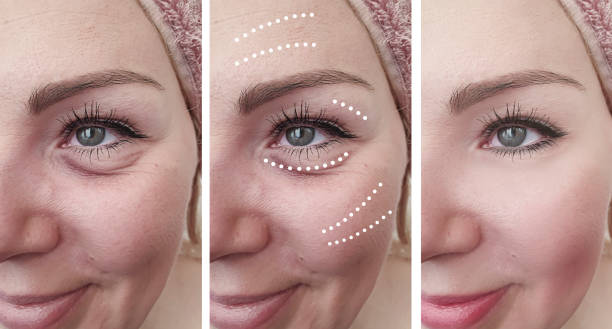
The Bottom Line
Eye bags don’t always mean your skincare routine has failed.
Sometimes the issue is hydration. Sometimes it’s sleep, sun exposure or genetics. And sometimes the natural structural changes that happen as skin ages are making the area more noticeable.
Understanding those differences can completely change how you approach your skincare routine.
Rather than constantly searching for the next miracle product, focus on the fundamentals: protect your skin from UV exposure, maintain hydration, use gentle products, stay consistent and consider ingredients designed to support the appearance of aging skin.
If you’re particularly interested in a collagen-focused skincare approach, take a closer look at Kollagen Intensiv and its formulation to decide whether it fits your routine.
Your eyes may be telling you something about your skin—not simply asking for another eye cream.