If your eyes look tired even after a good night’s sleep, the problem may not be sleep alone. The delicate skin around your eyes can change noticeably with age, dehydration, daily stress, sun exposure, and the natural decline of collagen.
That can leave the eye area looking dull, dry, puffy, creased, or simply older than you feel.
The good news is that understanding why your eyes look tired is the first step toward improving the overall appearance of your skin. Here are 10 common reasons your eye area may be losing that fresh, youthful-looking appearance.
1. Your Skin May Be Losing Collagen
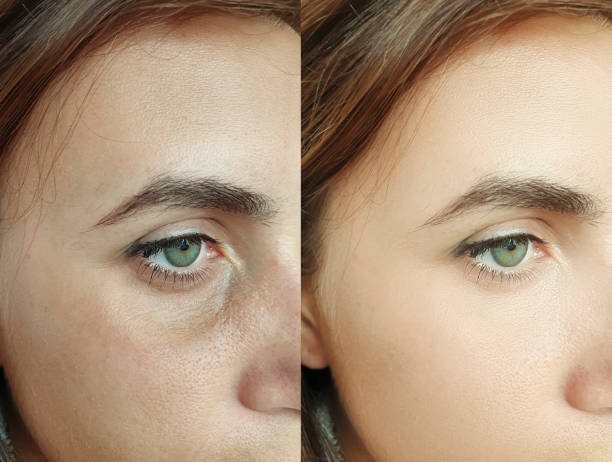
Collagen is an important structural protein in the skin. As we age, the body naturally produces less of it.
Because the skin around the eyes is particularly delicate, changes in firmness and elasticity can become noticeable here early. Fine lines may become more visible, and the area can lose some of the smooth appearance it had when you were younger.
This is one reason collagen has become such an important consideration in modern beauty routines.
2. Dehydrated Skin Can Look Dull
Sometimes tired-looking eyes aren’t simply about aging. They may also be connected to dehydration.
When skin lacks moisture, fine lines can appear more pronounced, and the surface may look less smooth and radiant. The eye area can therefore look tired even when there is nothing seriously wrong.
Drinking enough water and maintaining a consistent skincare routine can help support a healthier-looking appearance.
3. Your Skin May Be Showing Years Of Sun Exposure
Daily sun exposure adds up.
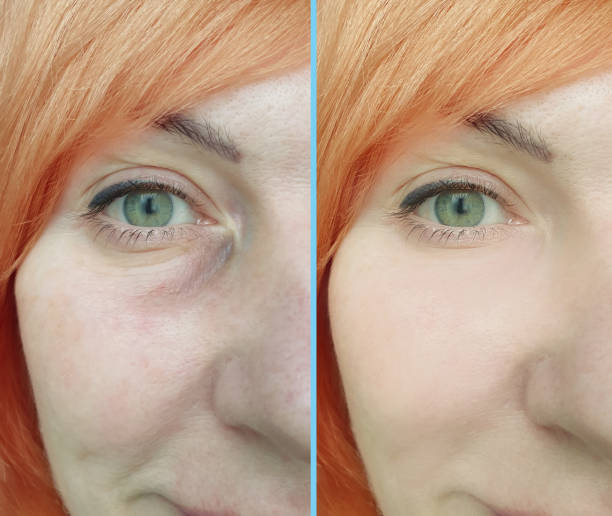
UV exposure can contribute to visible skin aging, including changes in texture, pigmentation, and the appearance of fine lines. Because the skin around the eyes is so delicate, protecting it from unnecessary sun exposure is especially important.
A broad-spectrum sunscreen, sunglasses, and shade can all be useful parts of a long-term skin-aging strategy.
4. Fine Lines Can Make Eyes Look More Tired
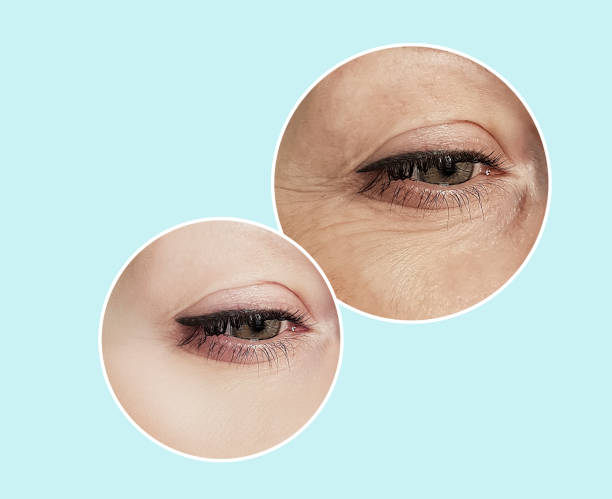
Fine lines around the eyes are completely normal. However, as they become more noticeable, they can change the way light reflects from the skin.
The result can be an eye area that looks less smooth and more tired.
Rather than trying to eliminate every line, a better approach is to support the overall appearance of the skin with hydration, sun protection, good skincare habits, and ingredients designed to support healthy-looking skin.
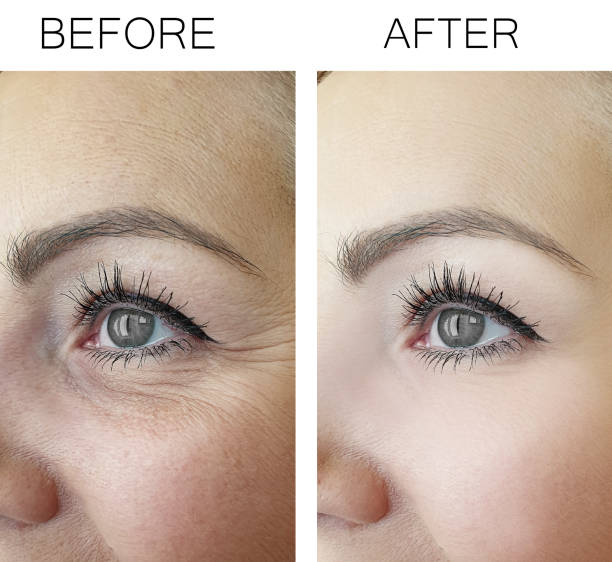
5. Puffiness Can Change Your Entire Appearance
Even when your skin itself looks healthy, puffiness can make your eyes appear tired.
Temporary puffiness may be influenced by factors such as lack of sleep, fluid retention, allergies, or lifestyle habits. Some people naturally have more pronounced under-eye puffiness than others.
A consistent sleep routine, appropriate hydration, and identifying personal triggers may help reduce the appearance of temporary puffiness.
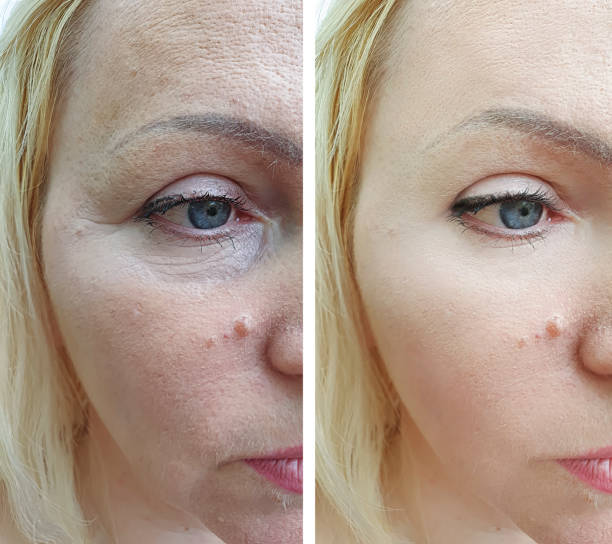
6. Your Skincare Routine May Be Missing Something
Using several skincare products doesn’t necessarily mean you’re addressing every aspect of visible skin aging.
Many routines focus heavily on the surface of the skin while overlooking broader factors associated with firmness, elasticity, hydration, and overall skin quality.
This is why it’s worth looking beyond simply adding another eye cream. Think about your complete approach to caring for your skin.
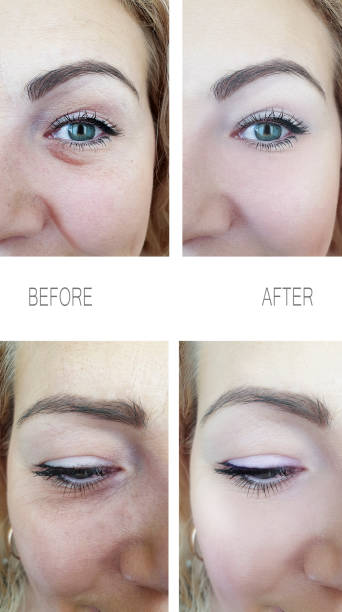
7. Stress Can Show Up On Your Face
Long periods of stress can affect sleep, daily habits, and how well you take care of yourself.
When you’re exhausted or under pressure, it can become harder to maintain healthy routines. The result may be an overall appearance that looks less refreshed.
Your skin doesn’t exist separately from the rest of your lifestyle. Sleep, nutrition, hydration, movement, and stress management can all play a role in how refreshed you look.
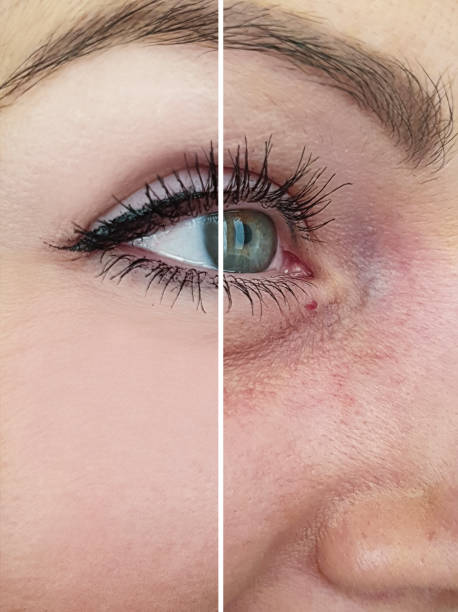
8. Your Diet May Not Be Supporting Your Skin
Healthy-looking skin needs adequate nutrition.
A varied diet containing protein, fruits, vegetables, healthy fats, and other essential nutrients provides the building blocks your body needs for normal skin function.
If your diet is consistently lacking in important nutrients, your overall skin appearance may reflect it. Supplements can be considered as part of a broader approach, but they shouldn’t replace a balanced diet.
9. You’re Focusing Only On The Surface
One of the biggest mistakes people make when trying to improve the appearance of aging skin is focusing exclusively on what they can see in the mirror.
Topical skincare can be valuable, but many people are also becoming interested in beauty-from-within approaches that support the body’s normal collagen production and overall skin health.
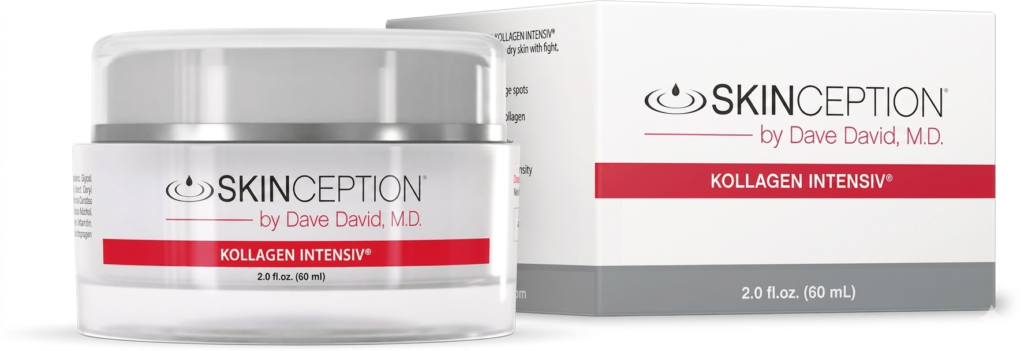
This is where collagen supplements, such as Kollagen Intensiv, may be worth investigating as part of a broader beauty routine.
Rather than expecting one product to transform your appearance overnight, think of it as one potential piece of a consistent, long-term approach to supporting healthy-looking skin.
10. You’re Expecting Overnight Results
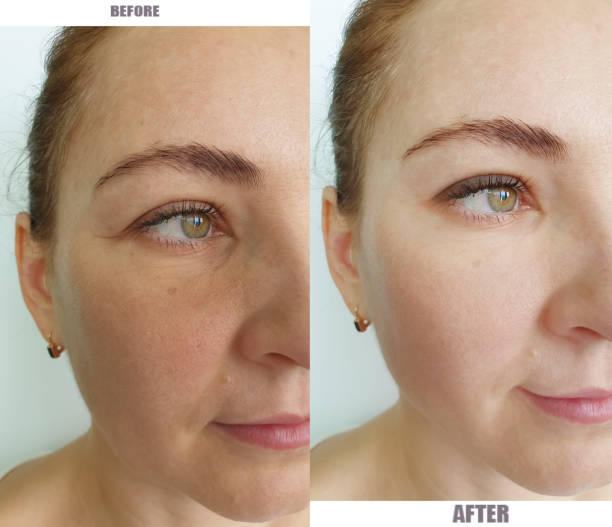
Perhaps the biggest reason your eye area still looks tired is simply that meaningful changes in the appearance of aging skin take time.
There is no magic product that can turn back the clock overnight.
Consistency matters. Protecting your skin from the sun, staying hydrated, getting sufficient sleep, eating well, maintaining a sensible skincare routine, and considering collagen support can all form part of a longer-term strategy.
Could Collagen Support Help Your Skin Look More Refreshed?
If your main concern is an eye area that looks dull, tired, dry, or increasingly lined, it may be time to look at your skin from a broader perspective.
Collagen naturally declines with age, and supporting your skin from both the outside and inside may be a more thoughtful approach than simply adding another product to your bathroom shelf.
Kollagen Intensiv is one collagen-focused option worth researching if you’re interested in adding collagen supplementation to your beauty routine.
The goal isn’t to chase perfection. It’s to support healthier-looking skin and build habits you can realistically maintain.
The Bottom Line
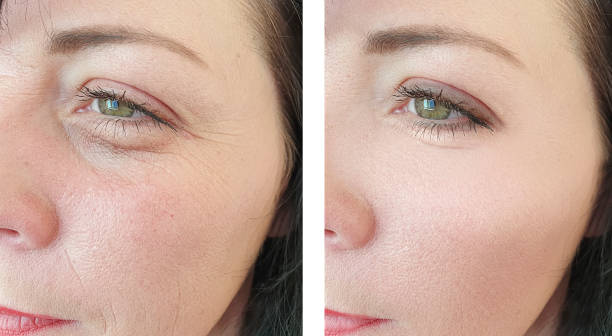
Your eyes may look tired for many different reasons—from dehydration and sun exposure to natural collagen loss, fine lines, puffiness, stress, and everyday lifestyle factors.
Instead of covering up the problem, understanding what may be contributing to it can help you make smarter choices.
If maintaining firmer, smoother, healthier-looking skin is your goal, start with the basics and stay consistent. And if you’re looking for additional support, exploring collagen supplementation could be another step worth considering.
Your eyes may be one of the first places to show visible signs of aging—but with the right long-term approach, you don’t have to ignore them.