Your eyes often reveal the earliest signs of ageing—but many everyday habits may be speeding up those changes without you realising it. Discover what could be affecting the delicate skin around your eyes and the simple adjustments that can help it look fresher for longer.

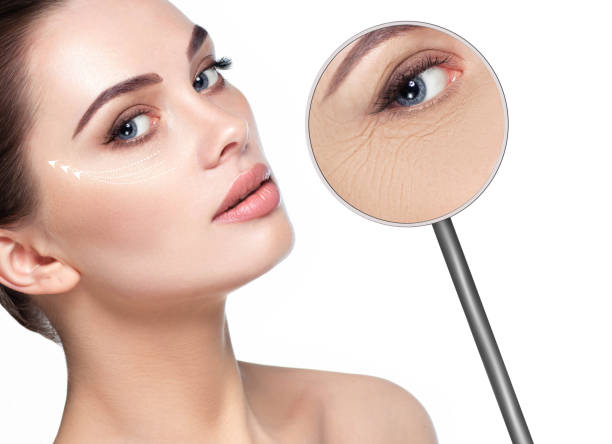
The skin around your eyes is one of the thinnest and most delicate areas on your face. Because it contains less collagen, fewer oil glands, and experiences constant movement from blinking and facial expressions, it’s often the first place where fine lines, puffiness, and a tired appearance begin to show.
While ageing is completely natural, many everyday habits can make the eye area appear older than it really is. The good news is that small changes to your routine can help support healthier-looking skin and keep your eyes looking brighter over time.
Let’s explore ten common mistakes that may be ageing the eye area—and what you can do instead.
Why The Eye Area Shows Aging First
The skin surrounding the eyes is constantly exposed to movement, environmental stressors, and daily wear. Over time, natural collagen production gradually declines, making the skin thinner and less resilient.
Other factors can also contribute, including:
- Sun exposure
- Lack of quality sleep
- Dehydration
- Lifestyle habits
- Daily skincare routines
- Natural changes that come with age
Understanding these influences is the first step toward making choices that better support the appearance of this delicate area.
Mistake #1: Forgetting Daily Sun Protection
Many people diligently apply sunscreen to their cheeks and forehead but unintentionally skip the eye area.
Ultraviolet (UV) rays can contribute to premature skin ageing, including the appearance of fine lines and uneven skin texture.
Choose a gentle facial sunscreen that’s suitable for use around the eyes, and wear sunglasses outdoors to provide additional protection.
Mistake #2: Rubbing Your Eyes Too Often
Whether it’s allergies, tiredness, or removing makeup, repeated rubbing places unnecessary stress on delicate skin.
Over time, frequent friction may contribute to:
- Increased puffiness
- Temporary redness
- Skin irritation
- A less refreshed appearance
Instead, gently pat the area with clean fingertips and treat the skin with care.
Mistake #3: Sleeping Too Little
Sleep is when your body performs many of its natural repair processes.
Consistently missing quality sleep may leave the eye area looking
- Puffy
- Dull
- Less vibrant
- More fatigued
Aim for consistent, restorative sleep whenever possible. Even small improvements to your sleep routine can make a noticeable difference in how refreshed your eyes appear.

Mistake #4: Ignoring Hydration
Skin that lacks moisture can appear rougher and make fine lines seem more noticeable.
Hydration comes from two directions:
- Drinking enough water throughout the day.
- Using moisturising skincare products that help maintain the skin’s moisture barrier.
Well-hydrated skin generally looks smoother and healthier.
Mistake #5: Using Harsh Skincare Products
Powerful exfoliants and active ingredients have their place, but the eye area often needs a gentler approach.
Products that are too strong may lead to irritation or dryness, making the skin appear less comfortable and more fragile.
When introducing new skincare products, apply them carefully and avoid placing potent ingredients too close to the eyes unless specifically designed for that purpose.
Mistake #6: Constant Squinting
Repeated facial expressions are a normal part of life, but frequent squinting caused by poor vision or bright sunlight can contribute to expression lines over time.
Simple solutions include:
- Wearing sunglasses outdoors.
- Updating your prescription glasses if needed.
- Reducing screen glare when working indoors.
These small adjustments may also help improve everyday comfort.

Mistake #7: Neglecting Collagen Support
As we age, the body’s natural collagen production gradually slows.
Because collagen helps support skin structure, this natural decline can influence how firm and smooth the eye area appears.
While no skincare product can stop ageing, many people choose products formulated to support healthier-looking skin. Ingredients that promote hydration and nourish the skin barrier may help improve the overall appearance of the delicate eye area with consistent use.
Mistake #8: Eating A Diet Low In Skin-Friendly Nutrients
Your skin reflects what’s happening inside your body.
A balanced diet that includes antioxidants, healthy fats, vitamins, and adequate protein supports overall skin health.
Foods commonly associated with healthy skin include:
- Colorful fruits
- Leafy vegetables
- Nuts and seeds
- Fatty fish
- Whole grains
These foods help provide nutrients your skin uses every day.
Why Many People Overlook These Everyday Habits
Many people immediately reach for another eye cream when they notice changes around their eyes.
However, skincare products are only one piece of the puzzle.
Daily habits—like sleep quality, sun protection, hydration, nutrition, and gentle skincare—often work together to influence how the eye area looks over time.
That’s why lasting improvements frequently come from a combination of healthy routines rather than relying on a single product.

Supporting Your Eye Care Routine
Healthy lifestyle habits create a strong foundation, but many people also choose to include targeted skincare in their routine.
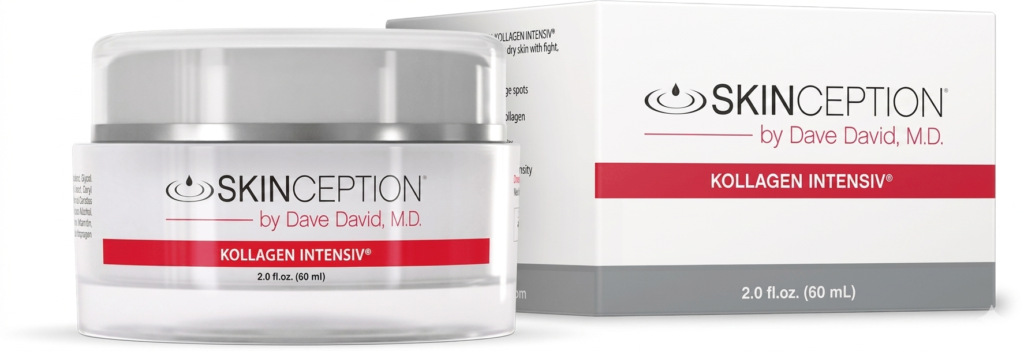
One option that has attracted attention is Kollagen Intensiv, a skincare cream formulated to support smoother, healthier-looking skin around the eyes and face.
Rather than replacing good skincare habits, it works best as part of a consistent daily routine alongside sun protection, hydration, and gentle skincare practices.
If you’re looking to enhance your routine, it may be worth learning more about how Kollagen Intensiv fits into a complete approach to caring for ageing skin.
Mistake #9: Being Inconsistent With Skincare
Many people switch products after only a week or two because they don’t see immediate changes.
Healthy-looking skin generally benefits from consistency.
Develop a simple routine that you can realistically maintain:
- Cleanse gently.
- Moisturise daily.
- Protect with sunscreen.
- Use targeted skincare consistently.
Small daily habits often produce better long-term results than constantly changing products.
Mistake #10: Waiting Until Changes Become Noticeable
One of the biggest misconceptions is that skincare only matters once visible ageing appears.
In reality, supporting skin health earlier may help maintain a fresher appearance over time.
Preventive habits aren’t about chasing perfection—they’re about caring for your skin before concerns become more noticeable.
Myth vs. Fact

Myth: Only older adults develop fine lines around the eyes.
Fact: Lifestyle, sun exposure, facial expressions, and genetics all influence how early changes become visible.
Myth: More expensive products always work better.
Fact: Consistency, appropriate ingredients, and healthy habits often matter more than price alone.
Myth: Drinking water instantly removes wrinkles.
Fact: Hydration supports overall skin health, but it doesn’t erase existing lines overnight.
Myth: Eye creams alone solve every concern.
Fact: Healthy skin is usually the result of multiple supportive habits working together.
Frequently Asked Questions
Can lifestyle really affect how old my eyes look?
Yes. Sleep, hydration, nutrition, sun protection, and skincare routines all influence the appearance of the skin around your eyes.
Is the eye area more delicate than the rest of the face?
Yes. The skin around the eyes is thinner and contains fewer oil glands, making it more susceptible to dryness and visible signs of ageing.
When should I start caring for the eye area?
It’s never too early to develop healthy skincare habits. Prevention and consistency are often easier than trying to address concerns later.
Can stress affect the appearance of my eyes?
Stress may contribute to poor sleep and fatigue, which can make the eye area appear less refreshed.
Should I use a separate eye product?
Some people prefer products specifically formulated for the delicate eye area because they’re designed with gentle ingredients suitable for thinner skin.

Key Takeaways
- The eye area naturally shows ageing earlier than many other parts of the face.
- Daily habits often influence how refreshed or tired the skin appears.
- Sun protection, hydration, sleep, nutrition, and gentle skincare all matter.
- Consistency typically produces better results than constantly changing routines.
- Products like Kollagen Intensiv may complement a healthy skincare routine when used consistently.
Final Thoughts
Beautiful-looking skin isn’t about perfection—it’s about consistency.
Many of the habits that influence the eye area happen quietly over months and years, which is why they’re so easy to overlook. Fortunately, even small improvements can add up over time.
By protecting your skin from the sun, staying hydrated, prioritising sleep, eating a balanced diet, and following a gentle skincare routine, you give your eye area the support it deserves.
If you’d like to take your routine one step further, consider learning more about Kollagen Intensiv and how it may help support smoother, healthier-looking skin around the eyes as part of your daily skincare regimen.
Click the link below to explore more details, see how it works, and decide whether it’s a good fit for your skincare goals. The best skincare decisions are informed ones—and your future self may thank you for starting today.
⭐⭐⭐⭐⭐ Trusted by Thousands of Happy Customers • 67-Day Money-Back Guarantee