Why your eye area may look older—even when you’re getting enough sleep
⭐⭐⭐⭐⭐ Trusted by 1000+ customers • 67-Day Money Back • 100% Guarantee
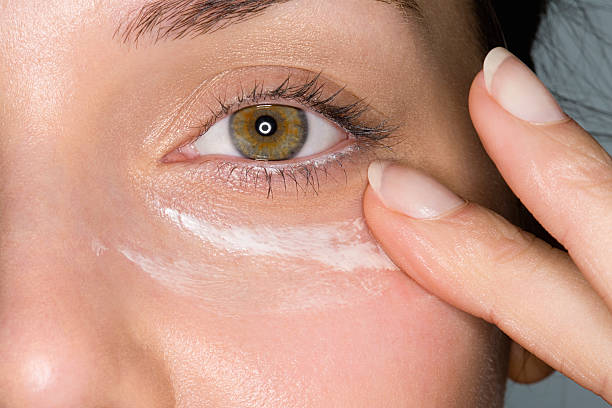
Have you ever looked in the mirror after what felt like a good night’s sleep and still thought, “Why do my eyes look so tired?”
You’re not alone.
Many people assume tired-looking eyes are simply the result of poor sleep. While sleep certainly plays a role, it isn’t the whole story.
The delicate skin around your eyes is one of the thinnest areas on your body, making it one of the first places where changes become noticeable. Small daily habits, environmental factors, and the natural aging process can all contribute to an appearance that seems less refreshed.
The good news?
Understanding what may be influencing the eye area is the first step toward building a skincare routine that supports healthier-looking skin.
Let’s look at some of the hidden factors that are often overlooked.

👀 The Skin Around Your Eyes Is Different
The skin beneath the eyes contains fewer oil-producing glands than many other parts of the face.
Because it’s thinner and naturally more delicate, it may:
- Show fine lines sooner
- Lose moisture more easily
- Reveal puffiness more quickly
- Make shadows appear more noticeable
This is one reason why many skincare routines include products specifically formulated for the eye area.
🌙 Sleep Is Only One Piece of the Puzzle
Getting enough sleep is important—but it doesn’t explain every case of tired-looking eyes.
Even people who consistently sleep well may notice the following:
- Mild puffiness
- Under-eye shadows
- Fine lines
- Crow’s feet
- A less refreshed appearance
That’s because many other factors influence how the eye area looks.
💧 Dehydrated Skin Can Look Less Smooth
When skin lacks moisture, it may temporarily appear:
- Drier
- Less plump
- More textured
- More likely to show fine lines
Staying hydrated and using moisturizers that help support the skin barrier may improve the overall appearance of the eye area.
☀️ Years of Sun Exposure Add Up
Sunlight plays a major role in visible skin aging.
Repeated UV exposure can contribute to:
- Fine lines
- Wrinkles
- Changes in skin texture
- Uneven-looking skin tone
Daily sunscreen and sunglasses are simple habits that can help protect this delicate area.
📱 Screen Time May Make Eyes Look More Fatigued
Long hours spent staring at computers and phones often lead to less frequent blinking.
This may leave your eyes feeling:
- Dry
- Irritated
- Strained
While screen time doesn’t directly cause wrinkles, tired-feeling eyes can contribute to a less refreshed appearance.
🧬 Genetics Matter More Than Many Realize
Some people naturally have the following:
- Darker under-eye pigmentation
- Deeper tear troughs
- More noticeable eye bags
These inherited traits are completely normal and often aren’t caused by anything you’ve done.
Understanding what’s genetic can help set realistic expectations when choosing skincare products.
🍽️ Lifestyle Habits Can Influence Puffiness
Temporary puffiness may be affected by:
- High sodium intake
- Alcohol
- Inconsistent sleep schedules
- Stress
These factors don’t affect everyone equally, but they can contribute to fluid retention around the eyes in some people.
😊 Repeated Facial Expressions
Smiling, laughing, and squinting are all part of everyday life.
Over time, repeated facial movement naturally contributes to expression lines such as crow’s feet.
These changes are a normal part of aging rather than something to fear—but many people choose skincare products that help keep the area feeling hydrated and looking smoother.
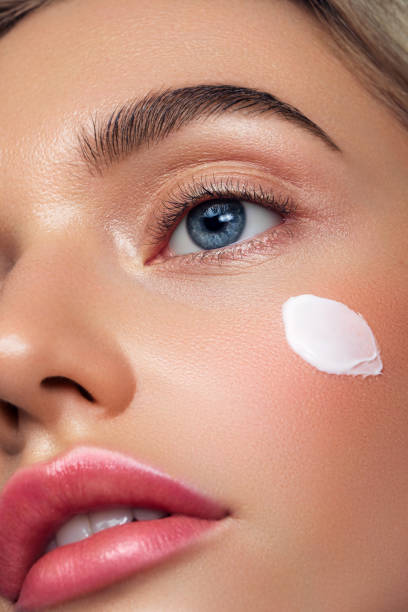
🧴 Your Skincare Routine Might Be Missing the Eye Area
Many people apply facial products everywhere except around their eyes.
Because this area has unique needs, some prefer using products specifically formulated for it.
When selecting an eye product, consider ingredients that focus on hydration and skin conditioning, and always follow the directions for use.
✨ Consistency Often Matters More Than Perfection
One of the biggest mistakes isn’t choosing the “wrong” product—it’s expecting dramatic overnight changes.
Healthy-looking skin is usually the result of consistent habits over time, including:
- Gentle cleansing
- Daily moisturizing
- Sun protection
- Healthy lifestyle choices
- Patience
Small routines practiced consistently often make a bigger difference than constantly switching products.
💡 Save These Tips for Later
If your eyes seem to look tired more often than you’d like, remember these key points:
✔ Sleep helps—but isn’t the whole story.
✔ Hydration supports smoother-looking skin.
✔ Sun protection matters every day.
✔ Lifestyle habits can influence puffiness.
✔ Genetics play an important role.
✔ The eye area benefits from gentle, targeted skincare.
Saving this guide gives you a quick reminder of the everyday habits that can support a fresher-looking appearance.

🌿 Considering an Eye Cream?
If you’re looking to add an eye product to your routine, it may be worth exploring options formulated for mature-looking skin.
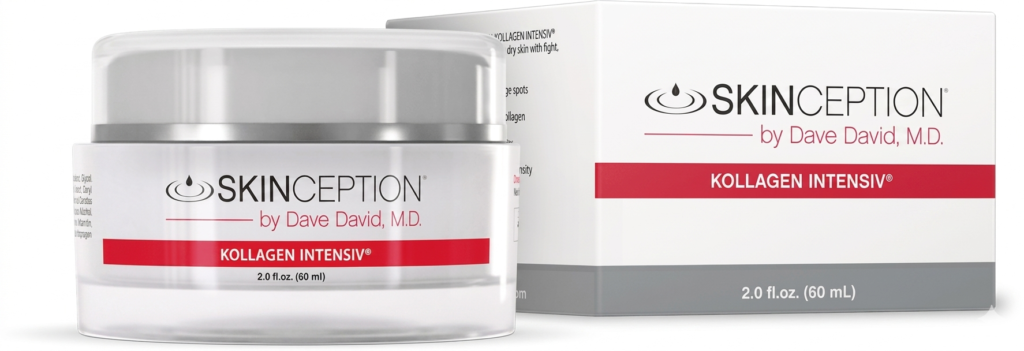
Some people choose Kollagen Intensiv as part of their daily skincare regimen because it’s designed specifically for the delicate eye area. As with any cosmetic product, individual experiences vary, and no skincare product can stop or reverse the natural aging process.
The best results generally come from combining a consistent skincare routine with healthy lifestyle habits and realistic expectations.
💙 Final Thoughts
Tired-looking eyes aren’t always about getting more sleep.
The appearance of the eye area reflects a combination of age, genetics, hydration, sun exposure, lifestyle habits, and skincare.
Understanding these factors can help you make informed choices and develop a routine that supports healthier-looking skin over time.
If you’re researching eye care products, take the time to compare ingredients, read directions carefully, and choose an option that fits your skincare goals. A thoughtful routine, practiced consistently, is often the most sustainable path toward a refreshed-looking appearance.