

Have your eyes started looking more tired than you feel? Perhaps dark circles seem more noticeable, puffiness lingers into the afternoon, or fine lines appear even when your skin is well moisturised. For many women, these changes become more apparent after 40, making it harder to maintain the fresh, rested appearance they are used to seeing in the mirror.
The good news is that your eye area can still benefit from thoughtful daily care. Although ageing naturally changes the skin around your eyes, simple habits involving hydration, sun protection, sleep and skincare can help support its appearance.
Understanding what causes these changes is the first step towards building an eye care routine that works with your skin rather than against it. Here are 10 practical eye care tips for women over 40 who want their eyes to look brighter, smoother and more refreshed.
1. Understand Why the Eye Area Changes After 40
The skin around your eyes is thinner and more delicate than the skin on many other parts of your face. As you age, your body produces less collagen and elastin, two proteins that help skin maintain its structure, firmness and flexibility.
This gradual decline can contribute to fine lines, reduced elasticity and a less plump appearance. Changes in facial fat distribution can also make hollows or under-eye shadows more noticeable.
Hormonal changes, particularly during perimenopause and menopause, may contribute to dryness and changes in skin texture.
Understanding these natural processes helps you set realistic expectations. The goal is not to eliminate every sign of ageing but to support healthier-looking skin and minimise factors that make tired eyes more noticeable.

2. Keep the Skin Around Your Eyes Hydrated
Dehydrated skin can make fine lines appear more pronounced, particularly around the eyes. Because this area has relatively few oil glands, it may become dry more easily than other parts of your face.
Choose a gentle moisturiser or eye cream containing ingredients such as hyaluronic acid, glycerin or ceramides. These ingredients help attract moisture, support the skin barrier or reduce moisture loss.
Apply your product with your ring finger, using light tapping movements rather than pulling or rubbing the skin.
Remember that hydration does not reverse structural ageing, but well-moisturised skin often looks smoother and more comfortable. Drinking enough water throughout the day also supports overall health, although drinking extra water will not necessarily eliminate under-eye wrinkles or dark circles.
3. Make Daily Sun Protection Non-Negotiable
Sun exposure is one of the most important environmental contributors to premature skin ageing. Ultraviolet radiation damages collagen and elastin, potentially contributing to fine lines, uneven pigmentation and reduced skin firmness.
Protecting the eye area is particularly important after 40, when these changes may already be becoming visible.
Make sun protection part of your morning routine by:
- Applying broad-spectrum SPF 30 or higher sunscreen to exposed skin.
- Wearing sunglasses that provide 100% UVA and UVB protection.
- Using a wide-brimmed hat when spending time outdoors.
- Reapplying sunscreen as directed, particularly during extended outdoor activities.
Choose a sunscreen formulated for the face or eye area if ordinary products cause irritation. Consistent protection helps limit further sun damage, even though it cannot erase existing wrinkles.
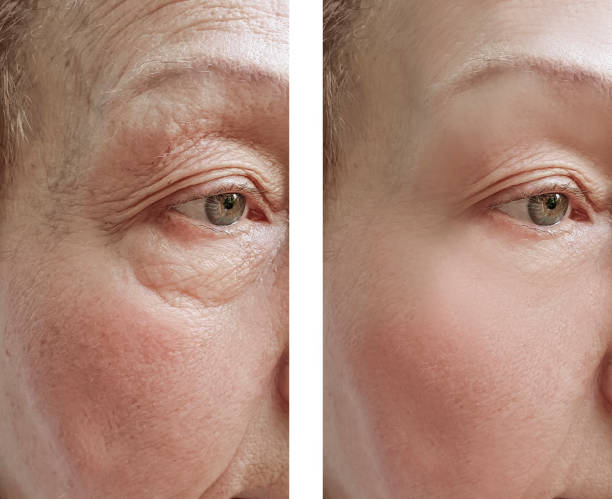
4. Address Dark Circles According to Their Cause
Dark circles can make you look exhausted even after a full night’s sleep. However, they do not always indicate fatigue.
Several factors can contribute, including genetics, pigmentation, allergies, visible blood vessels and shadows created by changes in under-eye volume.
The most effective approach depends on the underlying cause. A cool compress may temporarily reduce the appearance of puffiness, while a well-formulated moisturiser can improve dryness that makes the area look uneven.
If allergies cause itching or congestion, managing those symptoms may also help. Avoid rubbing your eyes, as repeated friction can irritate delicate skin.
Dark circles caused by pigmentation or facial anatomy may not respond significantly to ordinary eye creams. Understanding the cause can prevent you from wasting money on products that promise too much.

5. Reduce Morning Puffiness With Simple Habits
Waking up with puffy eyes is common, particularly after a salty meal, poor sleep or a night of alcohol consumption. Fluid can accumulate around the eyes while you lie down, creating temporary swelling.
To help reduce the appearance of morning puffiness, try these habits:
- Apply a clean, cool compress for several minutes.
- Sleep with your head slightly elevated if comfortable.
- Moderate your salt intake, especially in the evening.
- Stay hydrated throughout the day.
- Avoid rubbing your eyes when they feel irritated.
Some eye products containing caffeine may temporarily make puffiness less noticeable by affecting the appearance of superficial blood vessels.
Persistent, painful or one-sided swelling deserves medical assessment rather than simply being treated as a cosmetic concern.
6. Support Collagen With a Consistent Skincare Routine
Collagen provides structural support throughout the skin. As natural collagen production declines with age, skin may gradually lose some of its firmness and resilience.
A consistent skincare routine can help address certain visible signs of ageing. In addition to moisturising and sun protection, some women may benefit from topical retinoids, which have evidence supporting improvements in fine wrinkles and skin texture.
Introduce retinoid products gradually and follow professional advice, particularly if your skin is sensitive or dry. Avoid applying strong products too close to the eyes unless they are specifically intended for that area.
It is also worth remembering that skincare cannot completely restore lost collagen or reverse every age-related change. Consistency and realistic expectations are more useful than an elaborate routine filled with products.
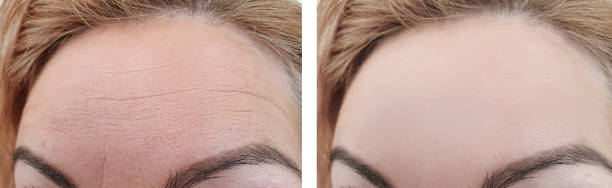
7. Prioritise Quality Sleep
Sleep affects how refreshed your face looks. Insufficient rest can contribute to a tired appearance, more noticeable under-eye shadows and puffiness in some people.
Aim for a regular sleep schedule and create a bedroom environment that encourages restful sleep. Reducing late-night screen use, limiting caffeine late in the day and allowing yourself enough time to unwind may help.
If you frequently wake up feeling exhausted despite getting adequate sleep, consider whether stress, sleep disturbances or another underlying issue could be contributing.
Eye creams can temporarily improve the appearance of dryness, but they cannot replace the restorative benefits of consistent, good-quality sleep.

8. Nourish Your Skin From Within
Your skin depends on a balanced supply of nutrients to maintain its normal structure and function. A varied diet provides the protein, vitamins, minerals and healthy fats needed to support overall skin health.
Include foods such as eggs, fish, legumes, yoghurt, nuts, seeds, colourful vegetables and fruit in your regular meals.
Vitamin C is particularly relevant because the body needs it to produce collagen. Protein supplies amino acids that the body uses to build and maintain its tissues.
Healthy fats also help support normal skin function, while fruit and vegetables provide antioxidants that help protect cells from oxidative stress.
No single food can prevent eye wrinkles, but a balanced diet provides a more reliable foundation for healthy-looking skin than restrictive eating or relying on one so-called beauty food.
9. Consider Kollagen Intensiv as Part of Your Beauty Routine
For women who are concerned about declining skin firmness and elasticity after 40, collagen-focused beauty products may be worth considering alongside everyday skincare and healthy lifestyle habits.
Kollagen Intensiv is a collagen-focused beauty product that may appeal to women looking to complement their existing approach to skin care. Before incorporating it into your routine, check its current ingredient list, formulation and directions so you understand what it contains and how it is intended to be used.
Collagen-related products should be viewed realistically. Evidence for collagen supplements suggests that some formulations may offer modest improvements in skin hydration or elasticity, although results vary and research findings are not uniform. These findings cannot automatically be applied to every collagen product, and they do not establish that a particular product will reduce dark circles, eliminate eye bags or reverse wrinkles.
If you are considering Kollagen Intensiv, think of it as one possible part of a broader beauty routine rather than a replacement for sun protection, moisturising, balanced nutrition and adequate sleep.
The most sensible approach is to evaluate the product’s ingredients, follow its stated directions and avoid expecting dramatic or guaranteed changes.
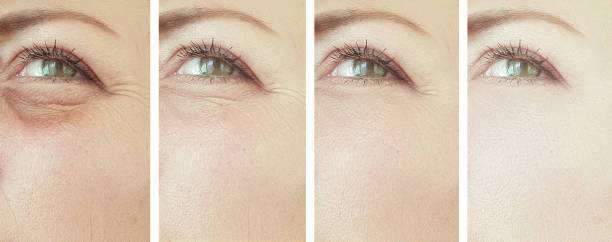
10. Be Gentle and Consistent With Your Eye Care
One of the most overlooked eye care tips for women over 40 is simply treating the area gently.
Pulling at the skin while removing makeup, using harsh cleansers or applying too many active ingredients can lead to irritation and dryness. These problems may make fine lines look more noticeable and leave the skin feeling uncomfortable.
Use a gentle cleanser, remove eye makeup carefully and introduce new products one at a time. If a product causes burning, redness or persistent irritation, stop using it.
You do not need a complicated collection of eye creams to care for ageing skin. A manageable routine that you follow consistently is often more practical than constantly switching products in search of immediate results.
If you notice sudden changes in your vision, persistent eye discomfort or unexplained swelling, seek appropriate medical advice.

A Fresh Approach to Eye Care After 40
Changes around your eyes are a normal part of getting older, but that does not mean you have to ignore them. With daily sun protection, adequate hydration, good sleep, balanced nutrition and gentle skincare, you can support the appearance and comfort of the delicate skin around your eyes.
Collagen-focused products such as Kollagen Intensiv may also be worth considering as part of an overall beauty routine, provided you understand the product and maintain realistic expectations.
Most importantly, remember that tired-looking eyes rarely have just one cause. Instead of chasing a quick fix for every fine line or shadow, focus on the habits that support your skin over time. A consistent, thoughtful approach can help you look after your eyes while embracing the natural changes that come with life after 40.
Don’t miss our next eye-care tip. Subscribe and have helpful advice delivered
straight to your inbox.