

Have you ever looked in the mirror after a full night’s sleep and wondered why your eyes still look tired? Dark circles, under-eye puffiness, fine lines, and dull-looking skin can make your face appear older or more exhausted than you actually feel.
The good news is that small changes to your daily eye care routine may help improve the appearance of the skin around your eyes. While some concerns are influenced by genetics and natural aging, consistent skincare, healthy lifestyle habits, and supporting your skin from within can all play a role.
If you’re looking for ways to achieve a fresher, more youthful-looking appearance, these 10 eye care practices are worth incorporating into your everyday routine.
1. Prioritize Quality Sleep
One of the simplest ways to support a less tired-looking appearance is to establish a consistent sleep routine.
Insufficient or disrupted sleep can make existing dark circles and puffiness appear more noticeable. It may also leave your complexion looking dull and your eyes less refreshed.
Aim for approximately seven to nine hours of sleep each night, when possible. Maintaining a regular bedtime and limiting screen exposure before bed may help support better sleep habits.
Although sleep won’t eliminate every cause of dark circles, it provides an important foundation for overall skin health.
2. Keep the Skin Around Your Eyes Hydrated
The skin surrounding your eyes is delicate and can be more susceptible to dryness. When the skin becomes dehydrated, fine lines may appear more noticeable, and the area can look less smooth.
Using a gentle, hydrating eye cream or moisturizer can help support the skin’s moisture barrier.
Look for skincare ingredients such as
- Hyaluronic acid for hydration.
- Glycerin to help attract and retain moisture.
- Ceramides to support the skin barrier.
Apply products gently, avoiding unnecessary rubbing or pulling around the eyes.
Well-hydrated skin can appear smoother and more supple, although topical hydration does not permanently remove wrinkles.

3. Use Cold Compresses for Morning Puffiness
Waking up with puffy eyes can be frustrating, particularly when you’re trying to look refreshed.
A cool compress placed gently over closed eyes for a few minutes may temporarily reduce the appearance of puffiness. Cool temperatures can cause blood vessels to constrict and may help soothe the area.
Avoid applying ice directly to your skin. Instead, use a clean, cool washcloth or a properly designed cooling eye mask.
Remember that persistent puffiness may have several causes, including genetics, allergies, sleep patterns, and fluid retention.
4. Protect Your Eyes From Sun Exposure
Daily sun protection is essential for maintaining healthier-looking skin as you age.
Ultraviolet (UV) exposure contributes to skin aging and can affect collagen and elastin, proteins that help support the skin’s structure and elasticity.
Over time, repeated sun exposure may contribute to fine lines, uneven pigmentation, and changes in skin texture.
Consider making these habits part of your routine:
- Apply broad-spectrum SPF 30 or higher to exposed skin.
- Wear sunglasses that provide UV protection.
- Use a wide-brimmed hat when spending extended periods outdoors.
Protecting your skin consistently is more useful than relying on occasional intensive skincare treatments.

5. Avoid Rubbing Your Eyes
Do you frequently rub your eyes when you’re tired, itchy, or experiencing irritation?
Repeated rubbing can irritate the delicate skin around your eyes. It may also aggravate existing inflammation and contribute to discomfort.
Instead, try addressing the underlying cause. If allergies or dryness are involved, appropriate treatment and gentle eye care may help.
When removing makeup, use a gentle product and avoid pulling at the skin. Small adjustments to how you handle the eye area can make a difference to your daily skincare habits.
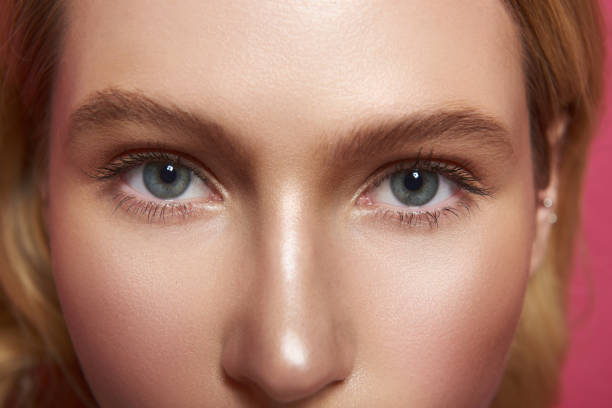
6. Support Your Skin’s Collagen As You Age
Collagen is a structural protein that helps provide skin with firmness and support. As we age, the body produces less collagen, and the skin gradually loses some of its elasticity and resilience.
This natural process can contribute to the development of fine lines, wrinkles, and changes in skin texture, including around the eyes.
While skincare cannot stop the aging process, a balanced approach may help support the appearance and overall health of your skin.
Adequate protein intake, sun protection, hydration, and a nutrient-rich diet are all relevant considerations when looking after aging skin.
7. Consider Collagen Supplements As Part Of Your Routine
If you’re already using skincare products but want to explore additional options, collagen supplements may be worth considering.
Kollagen Intensiv is one potential option for people interested in incorporating collagen into their beauty routine.
Collagen supplements are designed to provide collagen peptides or other collagen-derived ingredients. Some research suggests that certain oral collagen supplements may support aspects of skin hydration and elasticity, although results vary between products, individuals, and studies.
It’s important to maintain realistic expectations. A supplement is not a guaranteed solution for dark circles, eye bags, or wrinkles, and evidence for specific products should be considered carefully.
Kollagen Intensiv may be considered as part of a broader skincare approach rather than a replacement for healthy lifestyle habits or professional advice.
8. Eat Foods That Support Skin Health
Your daily diet can influence how well your body supports normal skin maintenance.
A varied diet containing protein, fruits, vegetables, and healthy fats helps provide nutrients involved in skin function.
Vitamin C, for example, contributes to normal collagen formation. Foods such as citrus fruits, berries, capsicum, and broccoli can help you obtain this nutrient.
Other useful dietary choices include:
- Eggs, fish, beans, and other protein sources.
- Colorful vegetables and fruits.
- Nuts and seeds.
- Adequate fluids throughout the day.
No single food can reverse skin aging, but consistent nutrition supports your overall health and skincare goals.

9. Manage Stress and Daily Screen Habits
Long periods of screen use can contribute to eye discomfort and visual fatigue, although they don’t necessarily cause permanent dark circles or wrinkles.
If you spend much of your day looking at a computer or phone, try taking regular breaks. The 20-20-20 approach involves looking at something approximately 20 feet away for 20 seconds every 20 minutes.
Managing stress and maintaining healthy daily routines may also support better sleep and overall well-being.
These habits won’t transform your appearance overnight, but they can contribute to a more balanced approach to eye and skin care.
10. Follow a Consistent Skincare Routine
One of the biggest mistakes people make is constantly switching between products in search of immediate results.
A consistent routine allows you to evaluate how your skin responds over time.
A simple morning routine might include:
- Gentle cleansing.
- Hydrating moisturizer.
- Broad-spectrum sunscreen.
In the evening, cleanse your skin, apply suitable skincare products, and moisturize as needed.
If you’re using active ingredients such as retinoids, introduce them carefully and follow product instructions. Some ingredients can irritate the delicate eye area, so avoid applying them too close to the eyes unless specifically formulated for that purpose.

Can These Practices Help You Look More Refreshed?
The appearance of tired eyes is influenced by more than just skincare. Genetics, pigmentation, facial anatomy, allergies, sleep, and natural aging can all play a role.
Some changes, such as improved hydration or temporarily reduced puffiness, may be noticeable relatively quickly. Other skincare benefits require consistent use over time, and certain concerns may not respond significantly to home care.
The key is to focus on realistic improvements rather than expecting one product or practice to address every concern.
Final Thoughts
Achieving a less tired-looking appearance starts with understanding what your skin needs and building habits you can maintain.
From protecting your eyes against UV exposure to improving hydration, prioritizing sleep, and supporting your skin’s collagen, these 10 eye care practices offer practical ways to care for the delicate area around your eyes.
Kollagen Intensiv may be an option to consider within a broader beauty routine, particularly if you’re interested in exploring collagen supplementation. However, it should be viewed as one part of your overall approach rather than a guaranteed answer to wrinkles, dark circles, or puffiness.
Consistent care, realistic expectations, and patience are essential when working toward healthier-looking, more refreshed skin.
Stay ahead of common signs of aging around the eyes. Subscribe for more.
helpful tips and advice.