Have you ever looked in the mirror and wondered why your eyes suddenly look tired, swollen, or older than you feel? Puffy eyes can be surprisingly stubborn—and sometimes, getting more sleep doesn’t seem to make much difference.
The good news is that you don’t necessarily need an elaborate eye-care routine. A few simple daily habits can help your under-eye area look fresher while supporting healthier-looking skin over time.
If puffy eyes are something you regularly notice, here are 10 eye care habits worth trying—and one often-overlooked factor that may also be worth considering.

Why Do Your Eyes Look Puffy?
The skin around your eyes is thinner and more delicate than much of the skin on your face. That makes changes in hydration, circulation, sleep, and skin structure particularly noticeable.
Temporary puffiness can be associated with things such as:
- Lack of sleep or disrupted sleep
- Eating a salty meal
- Seasonal allergies
- Dehydration
- Crying
- Sleeping with your face positioned downward
- Normal changes that occur with age
As we get older, skin also gradually loses some of its firmness and elasticity. Collagen production naturally declines with age, which can contribute to changes in the appearance of the skin around the eyes.
That means addressing puffy-looking eyes isn’t always about one quick fix. Consistent habits can make a difference to how your eye area looks and feels.
1. Prioritize Consistent Sleep
One of the simplest eye care habits is also one of the easiest to overlook.
Poor or inconsistent sleep can leave your eyes looking tired and puffy the following day. Aim for a regular sleep schedule and give your body enough time to properly rest.
If you regularly wake up with noticeably puffy eyes, pay attention to whether it happens more often after nights of poor sleep.
2. Stay Properly Hydrated
Dehydration can make skin appear dull and less refreshed.
Drinking enough water throughout the day supports overall hydration, while using a gentle moisturizer around the eye area can help prevent the skin from feeling dry.
Don’t expect water alone to eliminate puffiness, but keeping your body and skin adequately hydrated is a sensible part of an overall eye-care routine.

3. Try a Cool Compress
A cool compress can be a simple morning ritual when your eyes look swollen.
Place a clean, cool cloth over closed eyes for several minutes. Avoid putting ice directly against your skin, particularly around the delicate eye area.
It’s a small step, but it can feel refreshing when your eyes look particularly tired after waking.
4. Watch Your Salt Intake
Have you noticed that your face sometimes looks puffier after certain meals?
High-sodium foods can encourage temporary water retention in some people. If morning puffiness is a recurring concern, consider paying attention to how your eyes look after particularly salty meals.
You don’t need to eliminate salt completely. Instead, focus on maintaining a balanced diet and avoiding consistently excessive sodium intake.

5. Don’t Rub Your Eyes
Rubbing your eyes can irritate the delicate skin surrounding them, especially if you have allergies or itchy eyes.
Instead, try to identify what is causing the irritation. If allergies are involved, appropriate allergy management may help reduce the temptation to rub.
Being gentle with the eye area is one of the easiest habits you can adopt.

6. Protect Your Skin From the Sun
Sun exposure contributes to visible skin aging, including changes in texture, firmness, and the appearance of fine lines.
Because the skin around your eyes is particularly delicate, sun protection should be part of your daily skincare routine.
Wear sunglasses when appropriate and use a broad-spectrum sunscreen carefully as directed, avoiding direct contact with the eyes.
7. Be Gentle When Removing Makeup
Pulling or rubbing the skin around your eyes can cause unnecessary irritation.
When removing eye makeup, use a suitable, gentle makeup remover and take your time. Avoid aggressively scrubbing the area, particularly when removing stubborn mascara or eyeliner.
Your eye area doesn’t need harsh treatment to be clean.
8. Give Your Skin Consistent Moisture
Dry-looking skin can make fine lines and texture around the eyes more noticeable.
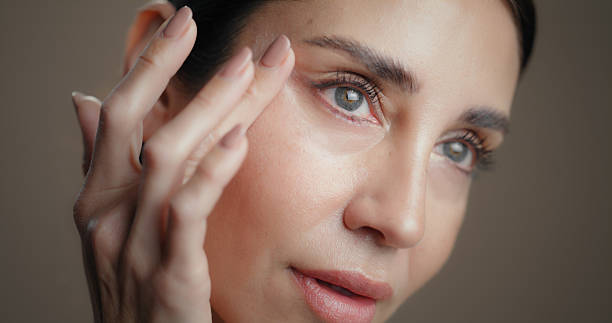
A gentle, eye-area-appropriate moisturizer can help support the skin’s moisture barrier and leave the area looking smoother and more comfortable.
Consistency matters more than constantly switching between different products.
9. Pay Attention to Your Overall Skin Health
Your eyes don’t exist separately from the rest of your skin.
A balanced diet, adequate hydration, regular sleep, sun protection, and a consistent skincare routine all contribute to healthier-looking skin.
Collagen is another factor worth understanding. Collagen provides structural support within the skin, while natural collagen production tends to decline as we age. Changes in collagen and skin elasticity can affect how youthful, firm, and smooth the skin appears.

10. Consider Supporting Collagen From Within
If you’re already following good skincare habits but still feel that your skin looks less firm or youthful than you’d like, you may want to look beyond topical products.
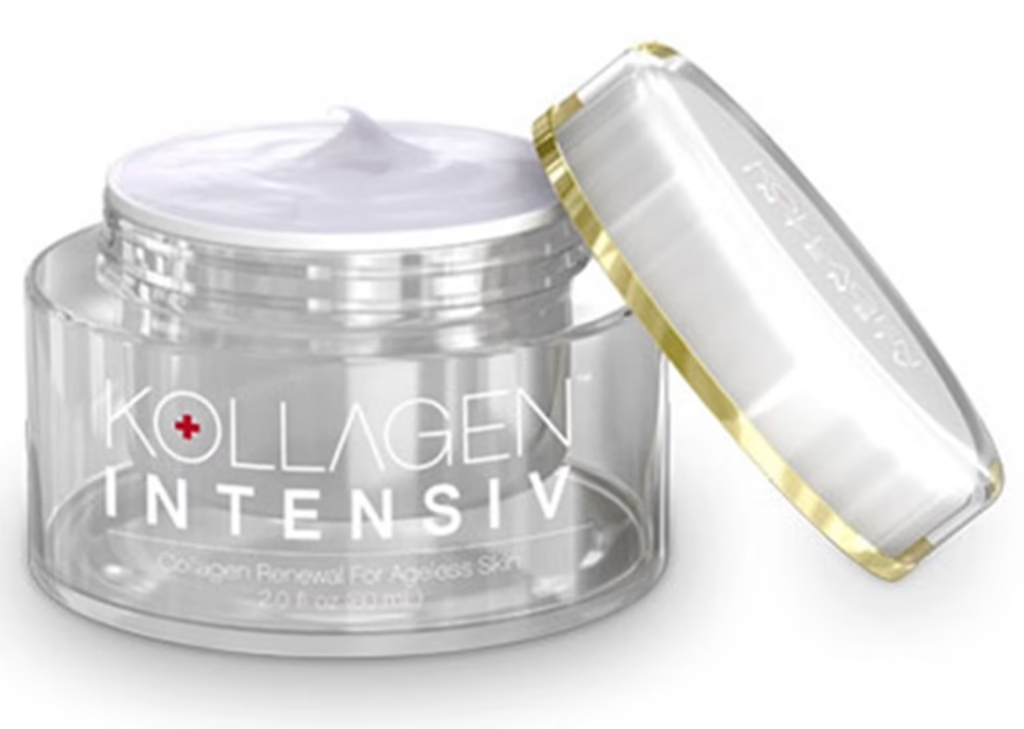
This is where a collagen supplement such as Kollagen Intensiv may be worth exploring.
Kollagen Intensiv is designed to support the body’s collagen supply and is marketed as a beauty-focused collagen formula. Rather than treating it as a miracle solution for puffy eyes, it’s more useful to think of it as one potential part of a broader approach to supporting healthy-looking skin as you age.

Why Consider Trying Kollagen Intensiv?
Someone might consider Kollagen Intensiv if they’re looking for a convenient way to add collagen supplementation to their existing beauty routine.
Potential reasons include:
- Supporting skin’s collagen levels
- Helping support the appearance of skin firmness and elasticity
- Complementing a consistent skincare routine
- Taking a more comprehensive approach to age-related skin changes
It’s important to keep expectations realistic. A collagen supplement isn’t a substitute for sleep, hydration, sun protection, or healthy lifestyle habits, and individual results can vary.
The Bottom Line
Puffy-looking eyes can have many causes, and there’s no single habit that works for everyone. But small changes—better sleep, adequate hydration, gentle skincare, sun protection, and paying attention to your daily routine—can all be worthwhile.
And if you’re also concerned about the gradual loss of firmness and elasticity that comes with aging, supporting collagen from within may be another option to investigate.
The goal isn’t to chase overnight changes. It’s to build simple, consistent habits that support healthier-looking skin—and give your eyes a fresher, more rested appearance over time.
Clinically tested 354% wrinkle reduction ⭐⭐⭐⭐⭐