
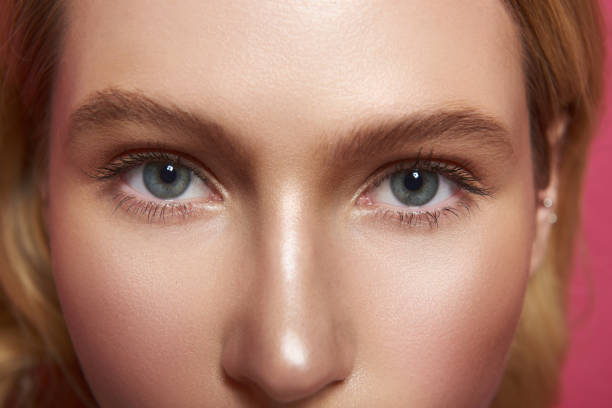
Your eyes can make you look tired even when you feel completely fine. Dark circles, morning puffiness, fine lines, dryness, and a generally fatigued appearance can all make the skin around your eyes seem older than you would like.
The good news is that your daily beauty routine does not have to be complicated. Small, consistent habits can help you take better care of the delicate skin around your eyes while supporting the overall appearance of healthier-looking skin.
As skin ages, natural collagen production gradually declines. Hydration and elasticity can also change, making fine lines and other visible signs of ageing more noticeable. Lifestyle factors can add to the problem.
Here are 10 practical eye care habits worth incorporating into your everyday routine.

1. Get Consistent, Quality Sleep
One of the simplest places to start is your sleep routine.
Insufficient or irregular sleep can contribute to a tired-looking appearance, including puffiness and more noticeable dark circles. While everyone’s sleep needs are different, maintaining a consistent sleep schedule can support your overall appearance as well as your general wellbeing.
A regular bedtime and a relaxing evening routine may be more useful than constantly searching for another beauty product.
2. Stay Hydrated Throughout the Day
Hydration plays an important role in how skin looks and feels.
When your body is not getting enough fluids, your skin can appear less fresh and more dry. The delicate area around the eyes may make signs of dehydration particularly noticeable.
Rather than relying on large amounts of water at once, make hydration part of your normal daily habits. Drinking fluids regularly and eating water-rich foods can complement your skincare routine.
3. Protect Your Skin From Sun Exposure
Daily sun protection is one of the most important long-term habits for maintaining youthful-looking skin.
Repeated UV exposure contributes to visible skin ageing and can affect the appearance of fine lines, uneven pigmentation, and loss of firmness. The skin around the eyes is especially delicate.
Using broad-spectrum sunscreen as appropriate, wearing sunglasses, and seeking shade when the sun is strong can all help reduce unnecessary exposure.

4. Be Gentle When Removing Makeup
The skin surrounding your eyes is thinner and more delicate than many other areas of the face.
Rubbing aggressively to remove mascara or eye makeup can create unnecessary irritation and mechanical stress. Instead, use a suitable makeup remover and allow it to loosen the product before gently wiping it away.
Being gentle may seem like a small detail, but your eye area benefits from consistent care rather than rough treatment.

5. Avoid Constantly Touching or Rubbing Your Eyes
It can be tempting to rub your eyes when they feel tired, itchy, or irritated. However, frequent rubbing can irritate the surrounding skin and make your eyes look even more tired.
If you notice yourself touching your eyes regularly, consider what may be triggering it. Dryness, allergies, screen fatigue, or environmental irritants may be contributing factors.
Addressing the underlying issue is often more helpful than repeatedly rubbing the area.

6. Give Your Eyes Regular Screen Breaks
Long periods of screen use can leave your eyes feeling strained and your overall appearance looking fatigued.
Try taking regular breaks during extended computer or phone sessions. Looking away from the screen periodically and allowing your eyes to rest can make your day more comfortable.
This is particularly useful if your beauty routine involves spending hours on a phone or computer, because tired eyes can affect the way your entire face appears.
7. Choose Skincare That Supports Hydration
Dry-looking skin can make fine lines appear more prominent.
A simple skincare routine focused on maintaining moisture can help the skin look smoother and more comfortable. Look for products formulated for the delicate eye area if you choose to use a dedicated eye cream.
Remember that more products do not necessarily mean better results. A consistent, uncomplicated routine is often easier to maintain.

8. Pay Attention to Collagen and Skin Ageing
Collagen is an important structural protein in the skin. It contributes to its firmness, strength, and overall structure.
As we get older, the body naturally produces less collagen. Changes in collagen, hydration, and skin elasticity can contribute to visible signs of ageing such as fine lines and a gradual loss of firmness.
You cannot stop natural ageing, but you can support your skin through sensible skincare, good nutrition, sun protection, adequate sleep, and other healthy lifestyle habits.

9. Maintain a Balanced Diet
Your skin benefits from the nutrients your body receives every day.
A varied diet containing adequate protein, fruits, vegetables, and other nutrient-rich foods provides building blocks that support normal body functions, including those involved in maintaining healthy skin.
Instead of focusing on one “miracle” food, think about your overall eating pattern. Consistency matters more than perfection.
10. Consider Collagen Support as Part of Your Routine
If concerns about fine lines, firmness, or the overall appearance of ageing skin are becoming more noticeable, you may also consider whether a collagen supplement fits into your broader beauty routine.
Kollagen Intensiv is one option designed around collagen supplementation. It can be considered alongside everyday habits such as staying hydrated, eating a balanced diet, protecting your skin from the sun, and maintaining a consistent skincare routine.
The important thing is to keep expectations realistic. A collagen supplement is not a substitute for sleep, sun protection, nutrition, or good skincare, and individual experiences can vary.
For someone looking to make collagen support part of a broader approach to maintaining healthy-looking skin, it may be worth considering as one component rather than viewing it as a quick fix for dark circles, puffiness, or wrinkles.
Why Your Eye Care Routine Matters
The appearance of your eyes is influenced by much more than the products sitting on your bathroom shelf.
Sleep, hydration, sun exposure, nutrition, stress, screen habits, skincare, natural ageing, and genetics can all play a role. Dark circles may also have different causes from person to person, which is why one approach does not work equally well for everyone.
The most useful routine is one you can maintain consistently.
Rather than trying to completely transform your appearance overnight, focus on protecting the delicate eye area and supporting your skin over time.

A Simple Daily Approach
You do not need ten complicated steps every morning and night. Start with the habits that are easiest to maintain:
- Stay adequately hydrated.
- Prioritise consistent sleep.
- Use appropriate sun protection.
- Remove makeup gently.
- Avoid unnecessary eye rubbing.
- Take breaks from prolonged screen use.
- Keep your skin moisturised.
- Eat a varied, nutrient-rich diet.
- Support your skin as it naturally ages.
- Consider collagen supplementation if it fits your personal beauty routine.
Small habits can add up when they become part of everyday life.
Conclusion
Tired-looking eyes, dark circles, puffiness, and fine lines can be frustrating, particularly when they make you look older or more exhausted than you actually feel.
While no single beauty habit can address every cause, taking a broader approach can make your routine more thoughtful and sustainable. Protecting your skin from the sun, staying hydrated, sleeping well, eating sensibly, being gentle with the eye area, and supporting collagen and skin health can all have a place in a balanced beauty routine.
The goal is not to fight every sign of ageing. It is to take consistent care of your skin and give it the support it needs as you move through each stage of life.
Clinically Proven: 354% Wrinkle Reduction ⭐⭐⭐⭐⭐
