The eyes are often one of the first places where signs of aging become noticeable. Even when the rest of your face still looks relatively youthful, changes around the eyes can make you look more tired, stressed, or older than you feel.
From fine lines and dryness to puffiness and a less refreshed appearance, these changes can develop gradually. Understanding what is happening around the eye area can help you make smarter choices about your skincare and overall skin-support routine.
Here are 10 common eye-area changes women often notice with age—and why they may become more noticeable over time.
1. Fine Lines Become More Visible
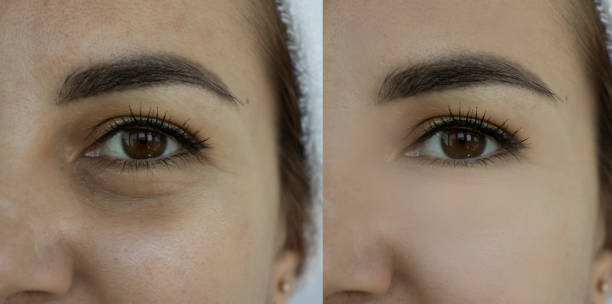
Fine lines around the eyes are among the most common changes associated with aging skin.
The skin surrounding the eyes is naturally delicate, and repeated facial movements such as smiling and squinting contribute to expression lines. Over time, these lines can become more noticeable even when your face is relaxed.
Sun exposure, environmental stress, and changes in skin hydration can also affect how pronounced fine lines appear.
2. Under-Eye Skin Can Look Drier
You may notice that the skin beneath your eyes no longer looks as smooth or supple as it once did.
As skin ages, its ability to retain moisture can change. When the skin becomes dehydrated, tiny lines and texture can appear more obvious.
This is one reason why a well-rounded approach to skin hydration and nourishment can become increasingly important as you get older.
3. Dark Circles May Look More Noticeable
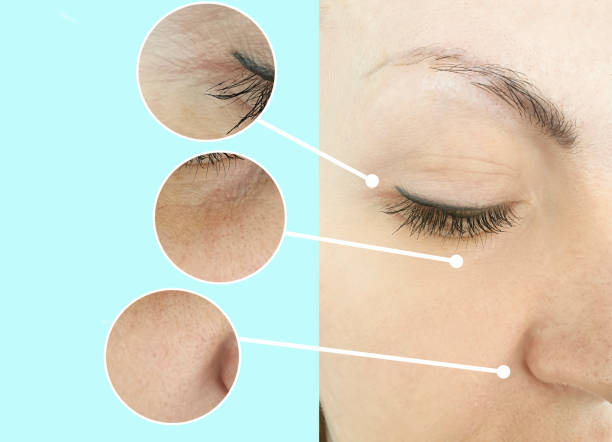
Dark circles can have many causes, including genetics, pigmentation, lack of sleep, shadows created by facial structure, and changes in the skin beneath the eyes.
With age, thinning skin and changes in the tissues around the eyes can sometimes make the area appear darker or less even.
That can create the impression of tiredness even after a good night’s sleep.
4. Puffiness Can Become More Apparent
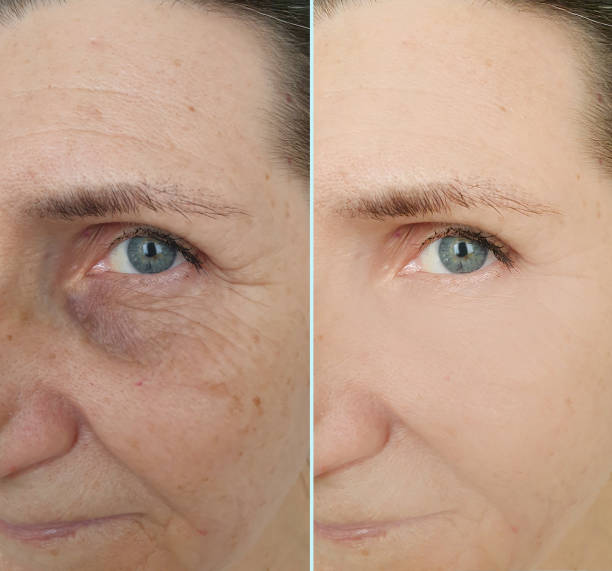
Morning puffiness is something many women experience at different ages, but the appearance can change over time.
Changes in the tissues around the eyes, fluid retention, sleep patterns, allergies, and lifestyle factors can all contribute to under-eye puffiness.
When the area becomes more prone to swelling or shadowing, the eyes may appear less refreshed.
5. The Skin May Lose Some of Its Firm Appearance
Youthful-looking skin is associated with structural proteins such as collagen and elastin, which contribute to skin’s firmness and elasticity.
As we age, natural collagen production decreases. This can contribute to changes in skin texture and firmness, including around the eyes.
You may notice that the area looks slightly less tight or resilient than it did years earlier.
6. Crow’s Feet Can Become More Defined
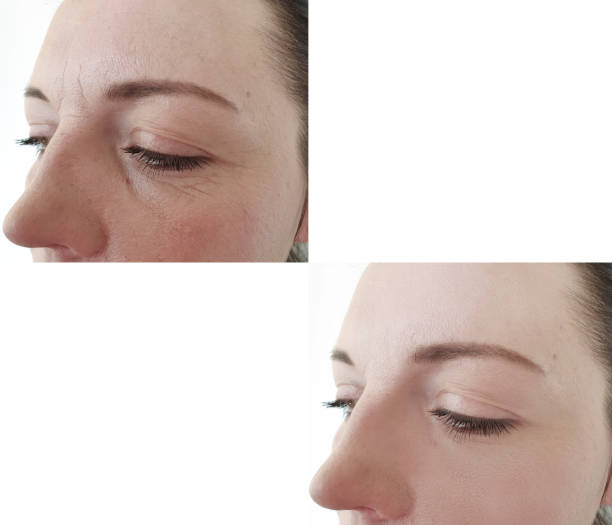
Those little lines extending outward from the corners of the eyes are commonly called crow’s feet.
They are strongly connected with repeated facial expressions, particularly smiling and squinting. Over many years, these repeated movements can contribute to lines becoming more established.
Rather than trying to eliminate every expression line, the goal can be to support healthier-looking, well-hydrated skin as part of a consistent beauty routine.
7. The Under-Eye Area May Look Less Smooth
Another change women sometimes notice is a difference in the overall texture of the skin beneath the eyes.
Instead of appearing smooth and even, the area may develop a slightly crepey or uneven appearance. Reduced moisture and age-related changes in skin structure can make this texture more noticeable.
This is also why simply applying heavier makeup does not always solve the problem. Sometimes makeup can actually draw attention to dry texture.
8. Shadows Around the Eyes Can Increase
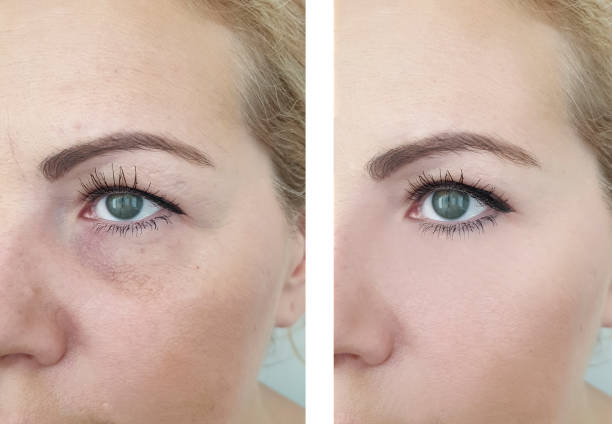
Not every dark-looking under-eye is caused by pigmentation.
Changes in facial volume and the natural contours around the eyes can create shadows that make the area appear darker. As the face changes with age, these shadows may become more noticeable.
This can make someone look tired even when tiredness isn’t actually the problem.
9. The Eyes Can Develop a More Tired-Looking Appearance
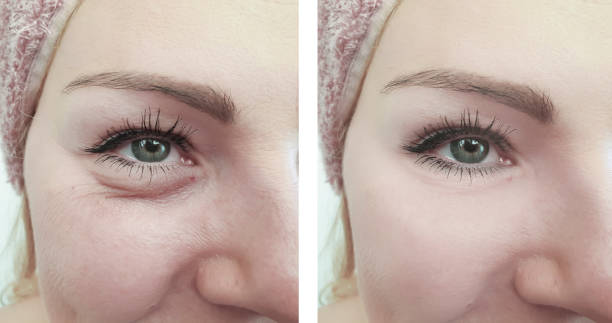
Perhaps one of the most frustrating changes is when your eyes simply don’t look as fresh as they used to.
A combination of fine lines, dryness, puffiness, dark circles, and changing contours can contribute to an overall tired-looking appearance.
This is why focusing on one isolated concern may not always give you the result you’re hoping for. The eye area is affected by multiple factors at the same time.
10. Your Skincare Needs May Change
One of the biggest lessons about aging skin is that the routine that worked in your 20s may not feel as effective later.
As skin changes, women may place greater emphasis on hydration, sun protection, gentle skincare, adequate nutrition, and ingredients that support the appearance and structure of healthy-looking skin.
Collagen is particularly interesting because it is an important structural protein in the body and plays a major role in skin.
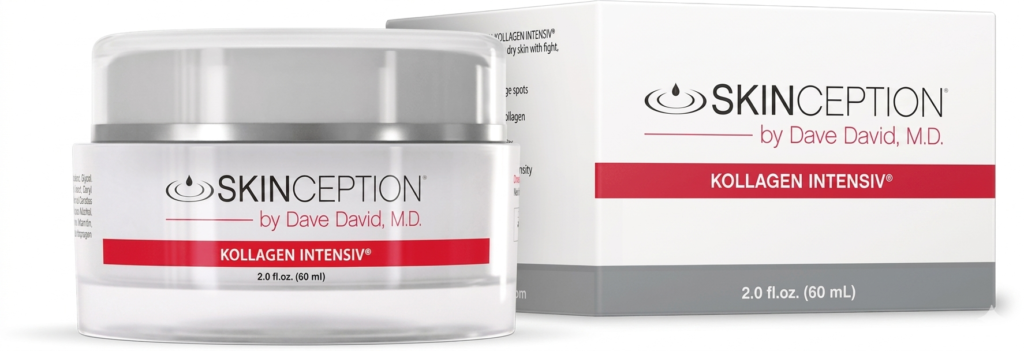
Where Does Kollagen Intensiv Fit In?
This is where a product such as Kollagen Intensiv may become part of a broader beauty routine.
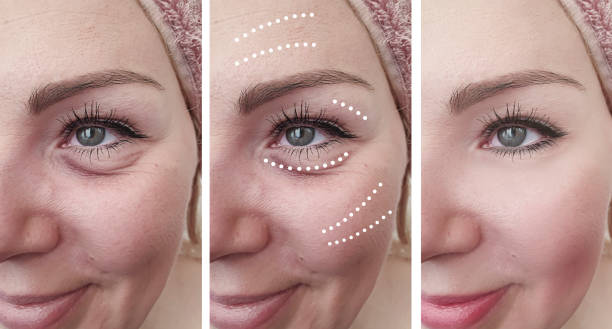
Rather than thinking of collagen as a quick fix for one specific problem—such as dark circles or wrinkles—it makes more sense to think about collagen support as part of an overall approach to maintaining healthy-looking skin as you age.
The goal isn’t to stop the aging process. It’s to support your skin as its needs change.
A consistent routine that includes sun protection, hydration, balanced nutrition, adequate sleep, appropriate skincare, and a quality collagen-focused supplement can be a more sensible long-term strategy than constantly chasing individual imperfections.
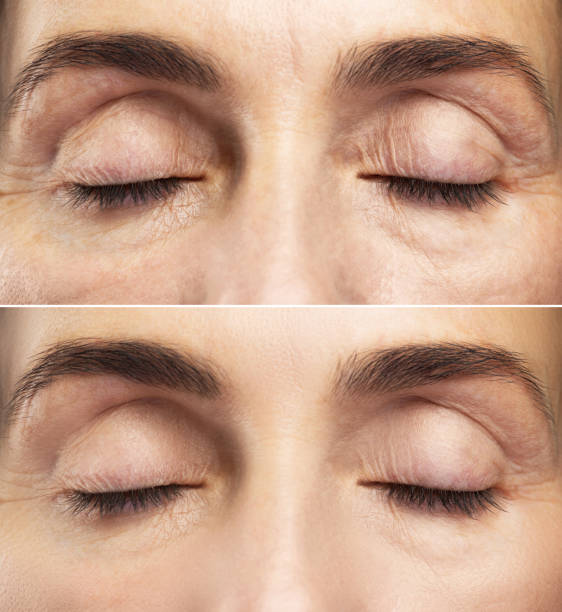
What Should You Do About Aging Around the Eyes?
Seeing changes around your eyes doesn’t mean something is wrong. Aging is a normal biological process, and everyone’s skin changes at a different pace.
Instead of focusing on looking exactly as you did years ago, consider focusing on keeping your skin looking as healthy, hydrated, and cared for as possible.
Protect your skin from excessive sun exposure. Stay consistent with your skincare. Pay attention to hydration and nutrition. And consider whether adding collagen support fits into your personal routine.
Final Thoughts
The eye area can reveal many of the subtle changes that happen as women get older—from fine lines and dryness to puffiness, shadows, and changes in firmness.
The good news is that understanding these changes can help you make better decisions about your skincare instead of reacting to every new line or change with another product.
Aging can’t be switched off, but healthy-looking skin can still be supported.
And sometimes, the most effective approach isn’t about finding one magical cream. It’s about building a consistent routine that supports your skin from multiple directions—including giving your body the nutritional support it needs to maintain healthy skin over time.
If you’ve noticed your eyes looking different with age, you’re not imagining it. These 10 common eye-area changes can help explain why your eyes may look more tired, dry, lined, or less refreshed than they once did.