

Have you ever looked in the mirror after a full night’s sleep and wondered why your eyes still look tired? Dark circles, puffy under-eyes, fine lines, and a dull appearance can make your face look less refreshed than you feel. Even when you follow a good skincare routine, these changes can sometimes be surprisingly difficult to manage.
The reason is that the appearance of your eyes depends on more than just sleep. Hydration, daily habits, environmental exposure, genetics, and the natural ageing process can all influence the delicate skin surrounding your eyes.
Understanding these everyday factors can help you make better choices for a fresher-looking appearance while supporting your skin’s health as you age.
1. Not Getting Enough Quality Sleep
Sleep plays an important role in how refreshed your face looks. When you regularly get insufficient rest, your skin may appear duller, while dark circles and puffiness can become more noticeable.
Poor sleep can also affect the body’s normal recovery processes, which help maintain healthy-looking skin.
Although everyone’s sleep needs differ, most adults benefit from around seven to nine hours each night. Maintaining a consistent bedtime and creating a relaxing evening routine may help improve both sleep quality and the appearance of tired eyes.

2. Not Drinking Enough Water
Hydration can influence how smooth and supple your skin appears. When your body needs more fluids, the skin may look less plump, making existing fine lines around the eyes more noticeable.
The delicate under-eye area is particularly vulnerable because its skin is naturally thinner than skin on many other parts of the face.
Drinking water regularly throughout the day supports normal bodily functions and helps maintain hydration. Moisturising the skin can also reduce dryness and temporarily improve its appearance.
However, drinking extra water will not necessarily eliminate genetic dark circles or persistent under-eye bags.
3. Natural Collagen Loss With Age
Collagen is a structural protein that helps give skin its firmness and support. As you grow older, your body gradually produces less collagen, and existing collagen fibres change.
These changes can contribute to reduced elasticity, fine lines, and skin that appears thinner or less firm around the eyes.
Sun exposure and other environmental factors can accelerate visible skin ageing. While collagen loss is a normal part of ageing, a consistent skincare routine and healthy lifestyle habits can help support the skin’s appearance over time.
Some people also explore collagen-focused beauty products, including Kollagen Intensiv, as part of a broader approach to maintaining smoother, healthier-looking skin.
4. Too Much Sun Exposure
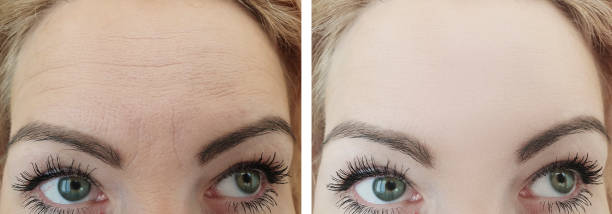
Sunlight can affect the skin in ways that become more noticeable over time. Ultraviolet (UV) radiation contributes to premature skin ageing, including wrinkles, changes in pigmentation, and reduced skin elasticity.
Because the skin around your eyes is delicate, it can be particularly susceptible to visible signs of sun damage.
Protecting this area involves more than applying moisturiser. Consider wearing sunglasses that provide UV protection, using a broad-spectrum sunscreen suitable for the eye area, and seeking shade when the sun is strongest.
Consistent sun protection is one of the most useful long-term habits for maintaining a more youthful-looking appearance.
5. Excessive Salt in Your Diet
Have you noticed that your eyes sometimes look puffier in the morning than they do later in the day?
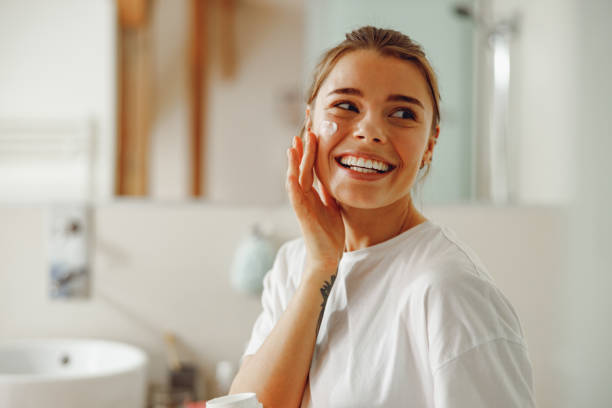
One possible explanation is fluid retention. Eating a particularly salty meal can encourage your body to retain water, which may contribute to temporary puffiness around the eyes.
Reducing excessive sodium intake and choosing a balanced diet with vegetables, fruit, whole grains, and suitable protein sources can support general health.
Morning puffiness can also result from sleep position, allergies, or normal changes in fluid distribution, so salt is only one possible factor.
6. Rubbing Your Eyes Too Often
Rubbing your eyes might feel satisfying when they itch or feel tired, but repeated friction can irritate the delicate surrounding skin.
Frequent rubbing may also worsen inflammation and make existing discolouration more noticeable, particularly if you have allergies or sensitive skin.
Instead of rubbing, try addressing the underlying irritation. A cool compress may help soothe temporary puffiness, while appropriate allergy management can reduce itching.
When removing makeup or applying skincare, use gentle movements rather than pulling or stretching the skin.
7. Screen Time and Eye Strain
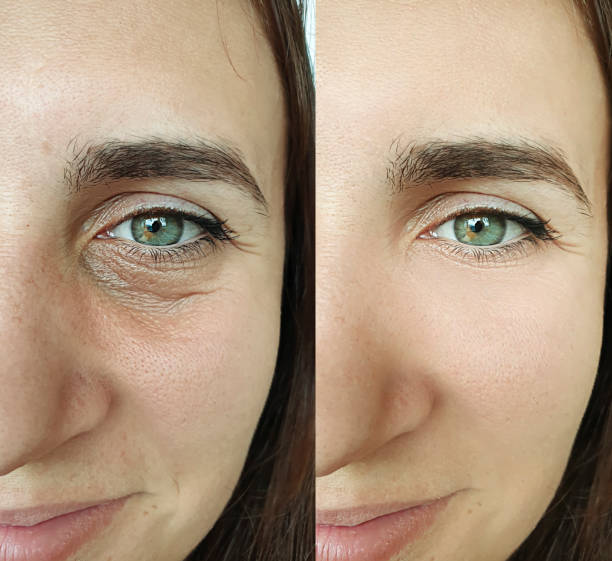
Spending long periods looking at computers, phones, or tablets can contribute to eye strain, dryness, and discomfort. You may also blink less frequently while concentrating on a screen.
Although screen time does not directly cause every type of dark circle or wrinkle, tired or irritated eyes can make you feel and look less refreshed.
To reduce discomfort, try the 20-20-20 approach: every 20 minutes, look at something approximately 20 feet away for 20 seconds.
Adjusting screen brightness, taking regular breaks, and getting enough sleep can also help your eyes feel more comfortable throughout the day.

8. Allergies and Nasal Congestion
Seasonal allergies and other sensitivities can contribute to puffy eyes and dark-looking under-eye areas.
Allergic reactions may cause inflammation, itching, and congestion. Rubbing the eyes can make these effects worse, while congestion may contribute to darker-looking skin beneath the eyes.
If allergies are a recurring problem, identifying triggers and discussing suitable treatment with a healthcare professional may help.
Persistent swelling, particularly when it affects only one eye or occurs alongside pain or vision changes, should be assessed by a medical professional.
9. Skipping Moisturiser
The skin around the eyes naturally contains fewer oil glands than some other areas of the face. As a result, it can become dry and make fine lines more apparent.
When the skin lacks sufficient surface moisture, it may look less smooth, even when deeper wrinkles are relatively minor.
A gentle moisturiser suitable for the eye area can help support the skin barrier and reduce moisture loss. Ingredients such as glycerin and hyaluronic acid are commonly used to attract and retain moisture.
Moisturising will not reverse collagen loss, but it can temporarily improve the appearance of dehydration-related fine lines.
10. Everyday Stress and Lifestyle Habits
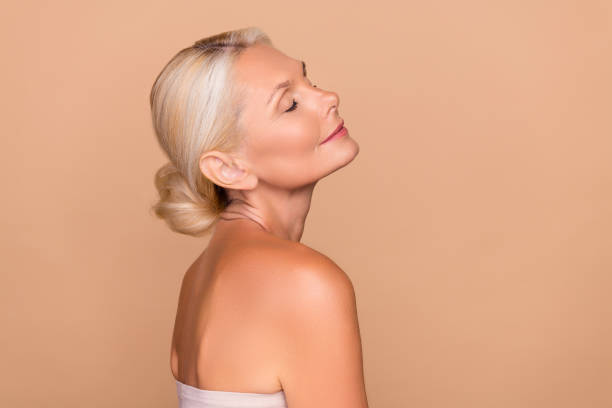
Ongoing stress can affect sleep quality, daily routines, and general wellbeing. When combined with smoking, excessive alcohol consumption, or an inconsistent diet, these habits may contribute to a less refreshed appearance.
Smoking is particularly relevant to skin ageing because it can damage collagen and elastin, the proteins that help maintain skin structure and flexibility.
Small, sustainable changes can make a difference to your overall routine:
- Make time for regular physical activity.
- Eat a varied diet rich in essential nutrients.
- Maintain consistent sleep and hydration habits.
- Avoid smoking and limit alcohol consumption.
- Follow a gentle skincare routine suited to your skin.
These habits support general health while helping you maintain healthier-looking skin over time.
Why Consider Kollagen Intensiv in Your Beauty Routine?
When tired-looking eyes are accompanied by fine lines, dryness, or changes in skin firmness, it is understandable to look for ways to support a smoother, more refreshed appearance.
Kollagen Intensiv is a beauty product that may appeal to people interested in addressing visible signs of ageing as part of their skincare routine.
Its suitability depends on the specific formulation, ingredients, and directions for use. Before choosing any anti-ageing product, review its ingredient list and consider whether it matches your skin type and individual needs.
It is also important to maintain realistic expectations. No beauty product can guarantee the removal of dark circles, eliminate under-eye bags, or completely restore collagen lost through ageing.
The most sensible approach is to combine appropriate skincare with habits that support your skin over the long term. If a product fits your needs, it can be considered one element of that routine rather than a replacement for sleep, sun protection, hydration, and a balanced lifestyle.

The Key to Fresher-Looking Eyes
Tired-looking eyes do not always mean you need more sleep or a more expensive skincare routine. Sometimes, the appearance of your under-eye area reflects several everyday factors working together, from dehydration and allergies to sun exposure and natural collagen loss.
Start by identifying the habits most relevant to you. Protect your skin from UV radiation, moisturise consistently, avoid rubbing your eyes, and pay attention to sleep and hydration.
Remember that genetics, facial structure, and natural ageing also influence how your eyes look. While these factors cannot all be changed, understanding them can help you make more informed skincare choices.
With realistic expectations and consistent daily care, you can support your skin’s health and work towards a fresher, more rested appearance at every stage of life.
Curious about better ways to care for aging eyes? Subscribe for more tips and
insights.