

Your eyes can look tired even when you feel perfectly rested. Dark circles, morning puffiness, fine lines and dry-looking skin around the eyes can make your face appear older or more exhausted than you really are. While expensive eye creams often promise a quick fix, some of the most overlooked ways to care for the delicate eye area begin with everyday habits.
The skin around your eyes is thinner and more delicate than much of the skin on your face. It is also affected by sleep quality, sun exposure, hydration, facial expressions and the natural decline in collagen as you age. Over time, these factors can influence skin elasticity, texture and the appearance of fine lines.
The good news is that a few simple adjustments to your daily routine may help your eye area look fresher and better cared for. Here are ten everyday eye-care habits worth paying more attention to.
1. Make Consistent Sleep a Priority
A late night can show up around your eyes surprisingly quickly. Insufficient sleep may contribute to puffiness, more noticeable dark circles and a generally tired appearance.
During sleep, your body carries out important maintenance and recovery processes. Regular, adequate rest supports overall skin health, even though it cannot completely prevent the natural effects of ageing.
Aim for a consistent sleep schedule and approximately seven to nine hours of sleep each night if you are an adult. Keeping your bedroom comfortable and limiting stimulating activities before bedtime can also help.
If your eyes frequently look tired despite getting enough rest, remember that genetics, allergies and natural changes in pigmentation may also play a role.

2. Protect the Delicate Eye Area From Sun Exposure
Sun protection is one of the most important habits for maintaining youthful-looking skin. Ultraviolet radiation contributes to premature skin ageing by damaging collagen and elastin, the proteins that help skin maintain its structure and flexibility.
Because the skin around the eyes is particularly delicate, repeated exposure can contribute to fine lines, uneven pigmentation and a less firm appearance over time.
Make broad-spectrum sunscreen part of your morning skincare routine, following the product’s directions. Wear sunglasses that provide appropriate UVA and UVB protection, and consider a wide-brimmed hat when spending time outdoors.
Take care when applying sunscreen near your eyes to avoid irritation. Consistent protection is more valuable than relying on occasional intensive skincare treatments.
3. Drink Water Regularly Throughout the Day
Hydration plays an important role in how skin looks and feels. When your body needs fluids, you may notice that your skin appears less comfortable or that fine lines associated with dryness seem more pronounced.
Drinking enough water supports normal bodily functions, including those involved in maintaining healthy skin. However, drinking extra water beyond your needs will not necessarily eliminate dark circles or reverse established wrinkles.
Your fluid requirements vary according to activity, climate and individual circumstances. Drinking regularly throughout the day and eating water-rich foods can help you maintain adequate hydration.
For the skin itself, a gentle moisturiser can also help reduce water loss and improve the appearance of dryness around the eyes.
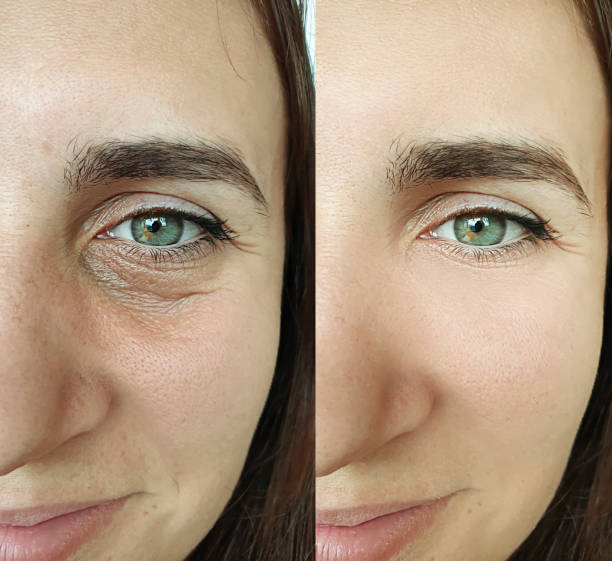
4. Be Gentle When Removing Eye Makeup
Rubbing your eyes aggressively can irritate the delicate skin and contribute to redness and discomfort. Repeated pulling and stretching may also be an unhelpful habit for skin that naturally becomes thinner with age.
Instead of scrubbing away mascara or eyeliner, use a gentle makeup remover suitable for the eye area.
Apply it with a soft cotton pad, allow it time to loosen the makeup, and wipe carefully without dragging the skin. Avoid harsh cleansers and fragranced products if they cause irritation.
Removing makeup before bed also helps keep your skincare routine consistent. A gentle approach protects comfort while allowing you to cleanse effectively.
5. Reduce Morning Puffiness With Simple Changes
Waking up with puffy eyes can be frustrating, particularly when you want your skin to look refreshed. Temporary puffiness may result from fluid accumulation around the eyes, disrupted sleep, allergies or consuming a particularly salty meal.
A cool compress can provide temporary relief and help the area feel more comfortable. Use a clean, cool washcloth for several minutes rather than applying ice directly to the skin.
You might also find it helpful to maintain a regular sleep schedule and avoid excessive salt intake.
Remember that persistent or sudden swelling is not always a cosmetic issue. Seek medical advice if swelling is unexplained, painful, affects your vision or occurs alongside other concerning symptoms.

6. Support Your Skin With a Balanced Diet
Healthy-looking skin depends on more than the products you apply to it. Your body needs a variety of nutrients to support normal tissue maintenance and collagen production.
Vitamin C, for example, is essential for collagen formation. Protein supplies amino acids used to build and maintain body tissues, while healthy fats contribute to normal skin function.
Build meals around a varied selection of foods, including:
- Citrus fruits, berries and other vitamin C sources.
- Eggs, fish, legumes and other protein-rich foods.
- Colourful vegetables that provide a range of vitamins and antioxidants.
- Nuts, seeds and other sources of beneficial fats.
No single food can erase under-eye circles or stop wrinkles from forming. However, a balanced diet provides a practical foundation for maintaining skin health as you age.
7. Give Collagen Loss the Attention It Deserves
Collagen is a structural protein that helps skin maintain its firmness and support. As we grow older, natural collagen production changes, while existing collagen can gradually break down. Sun exposure and other lifestyle factors can contribute to this process.
These changes may make fine lines more noticeable and affect the skin’s elasticity, including around the eyes.
Although collagen loss is a normal part of ageing, everyday skincare habits can help support the appearance of your skin. Sun protection, adequate nutrition, moisturising and avoiding smoking are useful starting points.
It is also important to maintain realistic expectations. No skincare product or supplement can completely stop ageing, and improvements in skin appearance vary from person to person.
Understanding collagen helps explain why a consistent beauty routine often matters more than searching for one miracle ingredient.
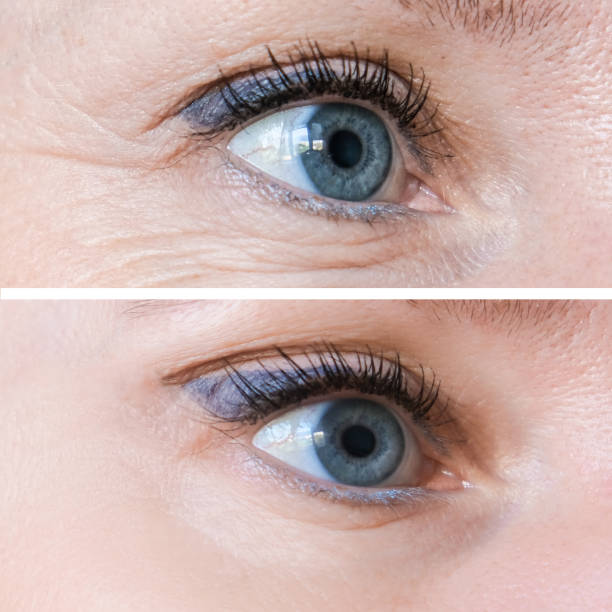
8. Take Regular Breaks From Screens
Long periods spent looking at computers, tablets and phones can contribute to digital eye strain. You might notice dry eyes, blurred vision, headaches or a tired feeling after concentrating on a screen for hours.
These symptoms do not necessarily mean your skin is ageing faster, but eye discomfort can make you more aware of the appearance of tired eyes.
Try the 20-20-20 rule: every 20 minutes, look at something approximately 20 feet away for at least 20 seconds.
Blink regularly, adjust screen brightness to a comfortable level and position your screen appropriately. If dryness persists, an eye care professional can help determine whether additional treatment is needed.
9. Choose Skincare That Supports Skin Elasticity
A complicated skincare routine is not essential for caring for the eye area. In many cases, a few well-chosen products used consistently are more practical than repeatedly switching between intensive treatments.
A gentle moisturiser can improve skin hydration and temporarily soften the appearance of fine lines caused by dryness. Ingredients such as hyaluronic acid help attract and retain moisture, while certain retinoids may improve the appearance of fine lines over time.
However, the skin around the eyes can be sensitive. Introduce active ingredients cautiously, follow product instructions and discontinue products that cause irritation.
Avoid applying products too close to the eyes unless they are specifically suitable for that area. If you have persistent irritation or a skin condition, professional guidance can help you choose appropriate products.

10. Consider Kollagen Intensiv as Part of Your Beauty Routine
Alongside daily skincare and healthy lifestyle habits, some people explore beauty supplements or specialised products as part of their approach to maintaining youthful-looking skin.
Kollagen Intensiv may be an option worth considering for people interested in supporting their broader beauty routine. Its suitability depends on the specific formulation, ingredients and directions provided with the product.
Collagen-focused products are often marketed around skin hydration, elasticity and the appearance of fine lines. Research into certain oral collagen peptides suggests that supplementation may offer modest improvements in some skin hydration and elasticity measures, although the evidence is mixed and results are not guaranteed. Findings from studies of particular ingredients should not automatically be applied to every collagen product.
It is also important to understand that a beauty product cannot selectively restore collagen around the eyes or guarantee that dark circles and puffiness will disappear.
If you are considering Kollagen Intensiv, review its ingredient list, check the recommended use and consider whether it fits your individual needs. If you have allergies, take medication or have a medical condition, seek appropriate professional advice before introducing a supplement.
The most sensible approach is to view it as one possible part of an overall beauty routine rather than a replacement for sunscreen, good nutrition, sufficient sleep and suitable skincare.
Small Eye Care Habits Can Make a Meaningful Difference
Caring for the skin around your eyes does not have to involve an elaborate routine or an expensive collection of products. Consistent sleep, sun protection, hydration, gentle cleansing and balanced nutrition all contribute to a sensible approach to skin health.
It is equally important to recognise that dark circles, puffiness and fine lines have different causes. Genetics, pigmentation, allergies and natural aging can influence how your eye area looks, so the same routine will not produce identical results for everyone.
Start with the habits that are easiest to maintain, and give your routine time to become part of your everyday life. Whether you focus on improving your skincare, supporting your skin’s natural collagen or exploring Kollagen Intensiv, a realistic and consistent approach is the best foundation for keeping your eye area looking healthy and refreshed.
Your eyes deserve attention too. Subscribe for more practical eye-care tips
and advice