

Have you ever looked in the mirror and wondered why your eyes appear tired, puffy, or older than you feel? Eye bags can make your face look less refreshed, even after a good night’s sleep. Sometimes they appear suddenly, while other times they gradually become more noticeable as the years pass.
The surprising thing is that under-eye puffiness is not always caused by a lack of sleep. Your daily habits, natural ageing process, skin elasticity, hydration levels, and even your family history can all influence the appearance of the delicate skin beneath your eyes.
Understanding what contributes to eye bags is the first step towards making informed choices about your skincare routine and supporting a fresher-looking appearance.

1. Natural Ageing and Changes in Skin Elasticity
One of the most common factors affecting eye bags is the natural ageing process. As you get older, your skin gradually produces less collagen and elastin, two important proteins that help maintain its firmness and flexibility.
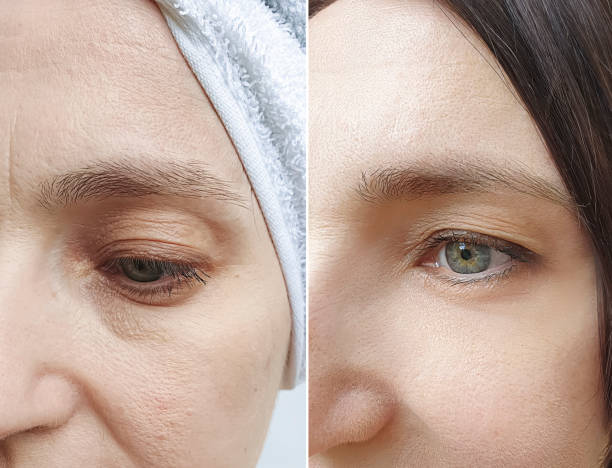
The skin beneath your eyes is particularly thin, making changes in its structure more noticeable. Over time, the tissues supporting the area can weaken, while the fat around the eyes may shift forward and create a fuller appearance.
These changes can make under-eye bags more prominent, even when you are sleeping well and maintaining a healthy lifestyle.
Although ageing cannot be stopped, a consistent skincare routine and healthy daily habits can help support the overall appearance of your skin.
2. Not Getting Enough Quality Sleep
A restless night can leave you looking less refreshed the following morning. When you do not get enough quality sleep, fluid can accumulate around the eyes, contributing to temporary puffiness.
Lack of sleep may also make existing dark circles appear more noticeable. When the skin looks paler or more tired, the blood vessels beneath the thin under-eye area can become easier to see.
To support a more rested appearance, try to maintain a regular sleep schedule and aim for the amount of sleep that leaves you feeling refreshed. For most adults, that means approximately seven to nine hours each night.
A cool compress in the morning may also help reduce temporary puffiness.

3. Excess Salt in Your Diet
Your diet can influence how much fluid your body retains. Eating a meal containing a large amount of sodium, particularly late in the evening, may contribute to fluid retention and make under-eye puffiness more noticeable the following day.
Processed foods, packaged snacks, takeaway meals, and salty sauces can all contribute to your daily sodium intake.
You do not need to eliminate every favourite food. Instead, consider balancing your meals with vegetables, fruit, whole grains, and other minimally processed foods.
Small dietary adjustments may help support your general wellbeing while reducing one potential contributor to temporary facial puffiness.
4. Dehydration and Changes in Skin Appearance
Hydration plays an important role in maintaining healthy-looking skin. When your body needs more fluids, your skin may appear less plump or refreshed, making fine lines and uneven texture more noticeable.
However, drinking extra water will not necessarily eliminate established eye bags. These can also result from changes in underlying tissues, genetics, or age-related skin laxity.
A sensible approach is to drink water regularly throughout the day and pay attention to your body’s needs, particularly during hot weather or after exercise.
Using a moisturiser suitable for the delicate eye area may also help improve surface hydration, leaving the skin feeling softer and temporarily making fine lines less noticeable.

5. Genetics and Family History
Sometimes, eye bags have very little to do with your lifestyle. If your parents or other close relatives have prominent under-eye bags, you may be more likely to develop them yourself.
Genetics can influence the structure of your face, the distribution of fat around your eyes, skin thickness, and how early visible signs of ageing appear.
This explains why some people develop noticeable under-eye bags in their twenties or thirties, while others experience very few changes until much later in life.
When genetics plays a significant role, skincare may help improve the appearance and condition of the surrounding skin, but it cannot necessarily change the underlying anatomy.
Understanding this can help you set realistic expectations and avoid spending money on products that promise more than skincare can deliver.
6. Allergies and Irritation Around the Eyes
Allergies can cause itching, watering, redness, and swelling around the eyes. Seasonal pollen, dust, pet dander, and other allergens may trigger these symptoms.
Rubbing itchy eyes can make matters worse by irritating the delicate skin and contributing to inflammation. Persistent irritation may also make the area appear darker or more uneven.
Avoid rubbing your eyes, and consider whether particular environmental triggers coincide with your symptoms. If allergies are a recurring problem, a pharmacist or healthcare professional can help you explore suitable treatment options.
Sudden or persistent swelling should not automatically be attributed to ageing or ordinary eye bags, particularly when it occurs alongside pain, redness, or vision changes.

7. Sun Exposure and Premature Skin Ageing
Sun exposure is another factor that can affect the appearance of the skin around your eyes. Ultraviolet radiation contributes to the breakdown of collagen and elastin over time, potentially increasing the appearance of fine lines, wrinkles, and skin laxity.
Because the under-eye area is delicate, protecting it deserves attention throughout the year.
Consider wearing sunglasses that provide UV protection, applying broad-spectrum sunscreen carefully around the eye area according to the product instructions, and seeking shade when the sun is strong.
Consistent sun protection will not remove existing eye bags, but it can help reduce further UV-related skin damage.
8. Smoking and Other Lifestyle Habits
Smoking exposes the body to substances that can contribute to oxidative stress and damage the structures that help keep skin firm. It is also associated with premature skin ageing and the development of more visible wrinkles.
Other lifestyle factors, including excessive alcohol consumption and irregular sleep patterns, may influence hydration, sleep quality, or temporary facial puffiness.
You do not have to change everything overnight. Reducing smoking, limiting alcohol, staying physically active, and establishing a more consistent sleep routine are practical steps that support overall health as well as healthier-looking skin.
Over time, these habits may help your complexion look more refreshed, although they cannot guarantee that established under-eye bags will disappear.

9. Hormonal Changes and Fluid Retention
Hormonal fluctuations can influence how the body manages fluid, and some people notice changes in facial puffiness at different stages of life.
For example, hormonal changes associated with the menstrual cycle or menopause may coincide with changes in fluid retention or skin appearance.
As oestrogen levels decline during menopause, skin can also become drier and less elastic. Together with age-related collagen loss, these changes may make fine lines and under-eye concerns more noticeable.
Maintaining a balanced diet, getting adequate rest, and following a suitable skincare routine can help support your skin during these changes.
If swelling is new, persistent, severe, or accompanied by other unexplained symptoms, seek medical advice rather than assuming hormones are responsible.

10. Your Skincare Routine and Collagen Support
The products you use can influence how hydrated, smooth, and comfortable the skin around your eyes looks.
Harsh cleansers, excessive exfoliation, and fragranced products that irritate your skin may make the area look red, dry, or more textured. On the other hand, a gentle cleanser and an appropriate moisturiser can help support the skin’s protective barrier.
Collagen is particularly relevant when discussing skin ageing. This structural protein helps support skin firmness, but its production naturally declines with age.
A well-rounded beauty routine focuses on protecting the collagen you have while supporting the skin’s hydration and overall condition. Ingredients such as glycerin and hyaluronic acid can help attract and retain moisture in the skin, while sunscreen helps protect against UV-related damage.
Kollagen Intensiv may also be worth considering as part of an overall beauty routine for people interested in supporting the appearance of ageing skin. As with any skincare product, its suitability depends on its ingredients, formulation, and the individual’s skin needs.
It is important to keep expectations realistic. A cosmetic product may help improve aspects of skin appearance, but it should not be assumed to restore lost collagen, eliminate under-eye bags, or reverse changes in the tissues beneath the eyes.
Building a More Refreshed-Looking Eye Area
Eye bags can develop for several reasons, from genetics and natural ageing to poor sleep, allergies, sun exposure, and temporary fluid retention. Often, more than one factor contributes to the appearance of the under-eye area.
The most useful approach is to focus on what you can influence: getting sufficient sleep, eating a balanced diet, staying hydrated, protecting your skin from the sun, and choosing gentle skincare products that suit your needs.
Kollagen Intensiv can be considered alongside these everyday habits as part of a broader approach to skin care, rather than as a guaranteed solution for puffiness or ageing.
Remember that healthy-looking skin is not about achieving a perfectly smooth face or eliminating every sign of age. It is about understanding your skin, caring for it consistently, and making informed choices that help you look and feel your best.
Give your eyes a little more attention. Subscribe for useful tips on eye care
and aging.