The Hidden Everyday Habits That Can Make Your Eyes Look More Tired—and What You Can Do About Them
The eyes are often the first feature people notice, and they’re also one of the first areas to reveal signs of aging. Even if the rest of your complexion looks healthy, changes around the eyes can make you appear more tired, stressed, or older than you actually are.
The good news is that many of the factors that contribute to older-looking eyes are influenced by everyday habits, skincare choices, and lifestyle factors. While aging is a natural process, understanding what affects this delicate area can help you make informed decisions that support smoother, brighter, and healthier-looking skin.
If you’ve ever wondered why your eyes seem to look different in the mirror than they did a few years ago, you’re not alone. Let’s explore ten common causes and discover practical ways to care for one of the most delicate areas of your face.

Why Your Eye Area Ages Differently
The skin surrounding the eyes is significantly thinner than the skin on most other parts of the face. It also contains fewer oil glands and experiences constant movement every time you blink, smile, squint, or express emotion.
Because of these unique characteristics, the eye area is often where fine lines, puffiness, and changes in skin firmness become noticeable first.
Fortunately, understanding the causes allows you to take steps that support healthier-looking skin over time.
1. Natural Collagen Loss
One of the biggest contributors to older-looking eyes is the gradual decline of collagen and elastin.
These structural proteins help keep skin firm, smooth, and resilient. As we age, our bodies naturally produce less collagen, making the skin around the eyes appear thinner and less supported.
You may begin noticing:
- Fine lines
- Crepey texture
- Less firmness
- A more tired appearance
Supporting your skin with a consistent skincare routine may help improve the appearance of this delicate area over time.
2. Sun Exposure
Many people protect the rest of their face with sunscreen but forget the eye area.
Years of ultraviolet (UV) exposure can gradually contribute to visible skin aging by affecting collagen and elastin.
Daily protection matters—even on cloudy days.
Helpful habits include:
- Wearing sunglasses outdoors
- Applying a gentle SPF around the orbital bone
- Seeking shade during peak sunlight hours
These small steps may help preserve healthier-looking skin over time.
3. Poor Sleep Quality
Sleep is when your skin performs many of its natural repair processes.
Consistently getting inadequate or poor-quality sleep may contribute to:
- Puffy eyes
- Dull-looking skin
- More noticeable fine lines
- Darker-looking under-eye shadows
Creating a relaxing bedtime routine and aiming for consistent sleep each night can make a visible difference in how refreshed your eyes appear.
4. Dehydrated Skin
Dehydrated skin often looks less smooth and more textured.
Because the skin beneath the eyes is already thin, even mild dehydration can make fine lines appear more noticeable.
Signs of dehydration around the eyes include:
- Tightness
- Dry texture
- Dullness
- More visible wrinkles
Drinking enough water and using hydrating skincare ingredients can help improve the appearance of dryness.
5. Repeated Facial Expressions
Smiling, laughing, and squinting are all part of everyday life—and that’s perfectly normal.
However, repeated facial movements over many years gradually contribute to expression lines, especially around the outer corners of the eyes.
While these lines often reflect a life full of happy moments, protecting your skin from excessive sun exposure and keeping it well moisturized may help soften their appearance.
6. Rubbing Your Eyes Too Often
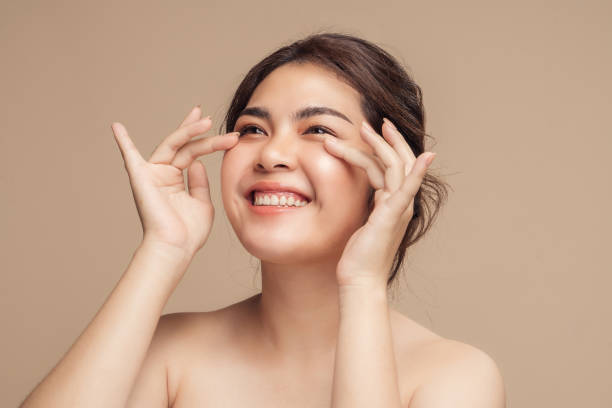
Many people rub their eyes without thinking about it.
Unfortunately, frequent rubbing may place unnecessary stress on delicate skin and contribute to irritation or temporary puffiness.
Instead, if your eyes feel itchy or tired:
- Use a cool compress
- Address allergies if present
- Remove makeup gently
- Pat skincare products instead of rubbing
Gentle handling goes a long way.
7. Everyday Lifestyle Choices
Several daily habits can influence how the skin around your eyes looks over time.
Examples include:
- Smoking
- Chronic stress
- Poor nutrition
- Limited physical activity
- Excessive alcohol consumption
Healthy lifestyle choices support your entire body—including your skin.
A balanced diet rich in colorful fruits, vegetables, healthy fats, and protein provides nutrients your skin uses every day.
8. Skipping Eye-Specific Skincare
Some people focus only on cleansing and moisturizing their face while overlooking products designed specifically for the eye area.
Since this skin has unique needs, gentle formulations may help provide extra hydration and support.
Look for products containing ingredients such as the following:
- Peptides
- Hyaluronic acid
- Antioxidants
- Niacinamide
- Moisturizing botanical extracts
Consistency is often more important than using numerous products.
9. Environmental Stressors
Daily exposure to pollution, dry indoor air, and changing weather conditions can gradually affect the skin’s appearance.
These environmental factors may contribute to moisture loss and make tired-looking eyes appear more noticeable.
Simple habits can help reduce their impact:
- Cleanse your skin each evening
- Moisturize regularly
- Use antioxidant-rich skincare
- Avoid excessively hot water when washing your face
Small daily routines often produce the best long-term results.
10. Ignoring Early Signs
Many people wait until fine lines or under-eye concerns become more noticeable before changing their skincare routine.
Supporting the skin earlier often leads to better long-term maintenance than trying to address concerns after they’ve become more established.
Healthy habits are easier to maintain than dramatic overhauls later.
Common Mistakes That Can Make Eyes Look Older
Even with good intentions, certain habits may unintentionally highlight signs of aging.
Some of the most common include the following:
- Sleeping with makeup on
- Using harsh cleansers
- Skipping daily sunscreen
- Pulling or stretching the skin while applying products
- Not moisturizing consistently
- Forgetting to wear sunglasses outdoors
Making small adjustments can have a meaningful impact over time.
Why Many People Overlook This Issue
When people think about skincare, they often focus on the forehead, cheeks, or jawline.
The eye area, however, requires different care because it is thinner and experiences constant movement throughout the day.
It’s also common to assume that tired-looking eyes are simply an unavoidable part of getting older. While aging cannot be stopped, many visible changes are influenced by lifestyle, environmental exposure, and skincare habits that are within your control.
Recognizing these factors early allows you to build a routine that supports healthier-looking skin for years to come.
Myth vs. Fact
Myth: Expensive skincare always works better.
Fact: Ingredients, consistency, and proper application matter far more than the price tag.
Myth: Only older adults need eye care.
Fact: Preventive skincare can benefit adults of many ages by helping maintain skin hydration and overall appearance.
Myth: Drinking more water instantly removes wrinkles.
Fact: Hydration supports healthy skin, but visible aging is influenced by many factors including collagen, sun exposure, genetics, and skincare habits.
Myth: You should rub eye cream into the skin.
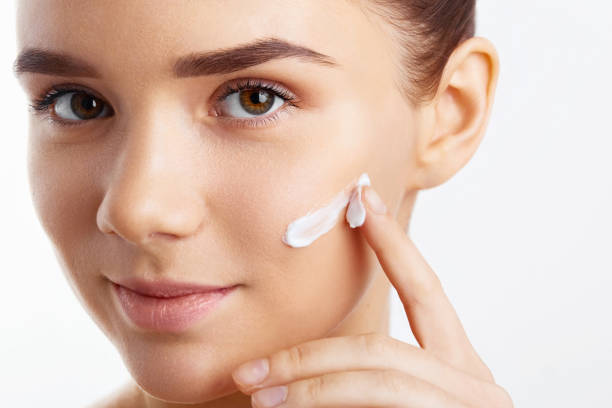
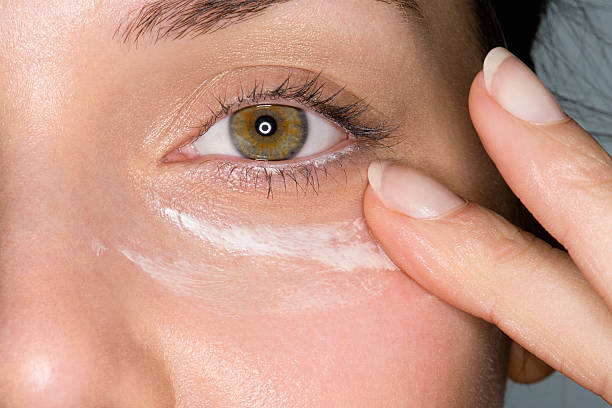
Fact: Gently tapping products into place is typically kinder to the delicate eye area than rubbing.
Supporting Healthier-Looking Skin Around the Eyes
A well-rounded routine doesn’t have to be complicated.
Many people choose to combine healthy lifestyle habits with skincare products specifically formulated for the delicate eye area.
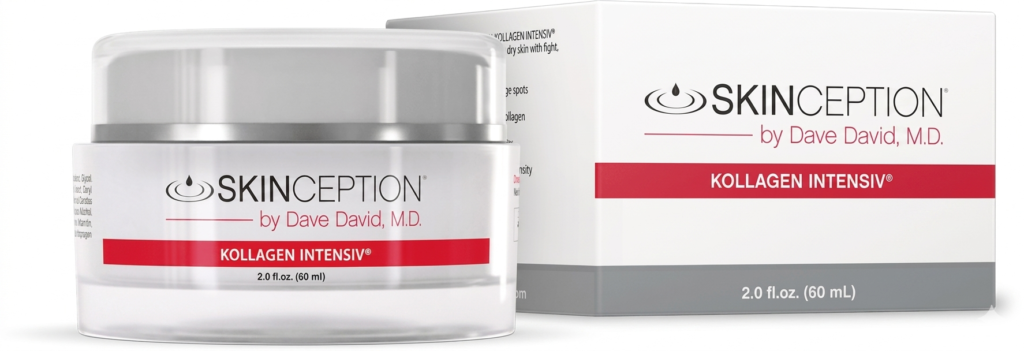
One option worth considering is Kollagen Intensiv. It is designed to support the appearance of smoother, firmer, and more hydrated skin around the eyes and face. Rather than replacing good skincare habits, it can complement a consistent routine that includes sun protection, gentle cleansing, and daily moisturization.
As with any skincare product, results can vary from person to person, but consistency is often the key to seeing gradual improvements in your skin’s appearance.
Frequently Asked Questions
Can tired-looking eyes make me appear older?
Yes. Puffiness, dryness, fine lines, and darker-looking under-eye areas can contribute to a less refreshed appearance.
At what age should I start caring for the eye area?
Many skincare professionals recommend establishing healthy habits in early adulthood, although it’s never too late to begin.
Does sunscreen really matter around the eyes?
Yes. Daily sun protection is one of the most effective ways to support healthier-looking skin over time.
Is hydration important for under-eye skin?
Absolutely. Well-hydrated skin generally appears smoother and healthier than dry, dehydrated skin.
Can lifestyle habits affect the appearance of my eyes?
Yes. Sleep, nutrition, stress management, and smoking can all influence how your skin looks over time.
Key Takeaways
- The eye area is naturally one of the first places to show visible signs of aging.
- Daily habits often have a greater impact than people realize.
- Sun protection, hydration, and gentle skincare can help support healthier-looking skin.
- Consistency usually delivers better long-term results than occasional treatments.
- Products formulated for the delicate eye area, such as Kollagen Intensiv, can complement a balanced skincare routine.
Conclusion
Older-looking eyes are rarely caused by just one factor. Instead, they’re usually the result of a combination of natural aging, environmental exposure, lifestyle habits, and daily skincare choices.
The encouraging news is that many of these influences are within your control. Small, consistent changes—such as protecting your skin from the sun, staying hydrated, getting enough sleep, and using gentle, targeted skincare—can help your eyes maintain a brighter, healthier-looking appearance over time.
If you’re looking to enhance your routine even further, learning more about Kollagen Intensiv may be worthwhile. It can serve as a supportive addition to a comprehensive skincare regimen focused on the delicate eye area.
Take the time to care for your eyes today. The habits you build now can help you enjoy skin that looks refreshed, cared for, and naturally radiant for years to come.
⭐⭐⭐⭐⭐ Trusted by Thousands of Happy Customers • 67-Day Money-Back Guarantee