
Puffiness isn’t always just about sleep—your daily habits, lifestyle, and even your skin’s natural changes may all play a role in how refreshed your eyes appear.
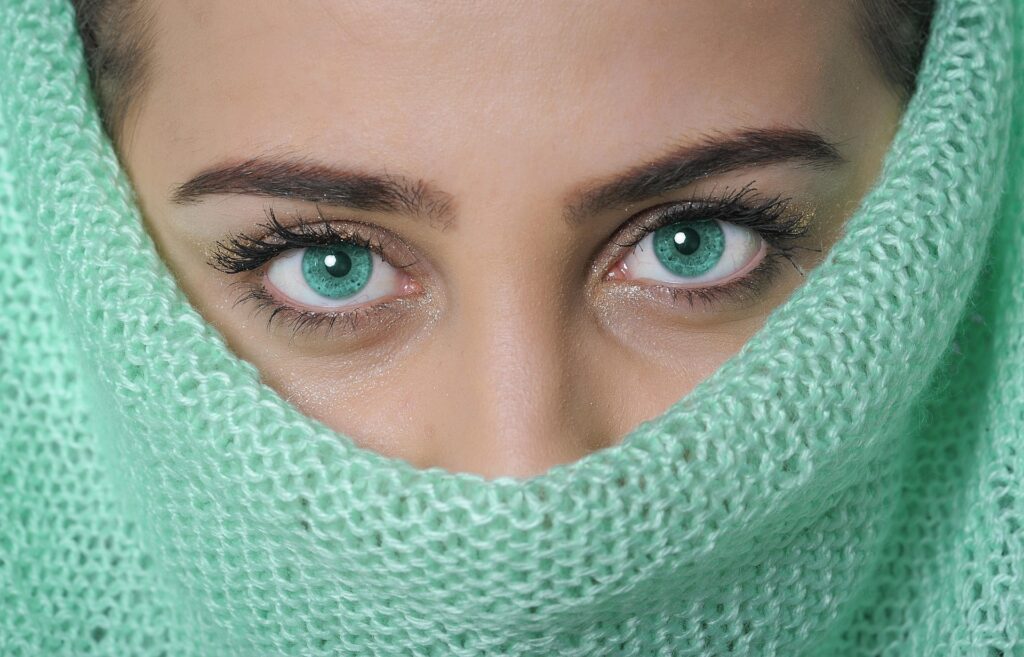
Few beauty concerns can make you look as tired as puffy under-eyes. Even after a full night’s sleep, many people notice swelling beneath the eyes that seems determined to stick around. While occasional puffiness is completely normal, persistent under-eye fullness can leave you wondering whether something else is contributing to the problem.
The skin around the eyes is one of the thinnest and most delicate areas of the face, making even small changes more noticeable. Factors such as hydration, sleep quality, allergies, diet, and the natural aging process can all influence how this area looks from day to day.
Understanding what may be contributing to under-eye puffiness is the first step toward choosing habits and skincare that support a fresher, more rested appearance.
Why the Under-Eye Area Is So Prone to Puffiness
The tissue beneath your eyes is naturally soft and contains tiny blood vessels, fat pads, and fluid that help protect this delicate area. Because the skin is so thin, even minor changes can quickly become visible.
As we get older, the structures that support the under-eye area gradually change. Skin may become less firm, muscles naturally lose some strength, and the distribution of fat beneath the eyes can shift. These normal age-related changes may make puffiness appear more noticeable than it once did.
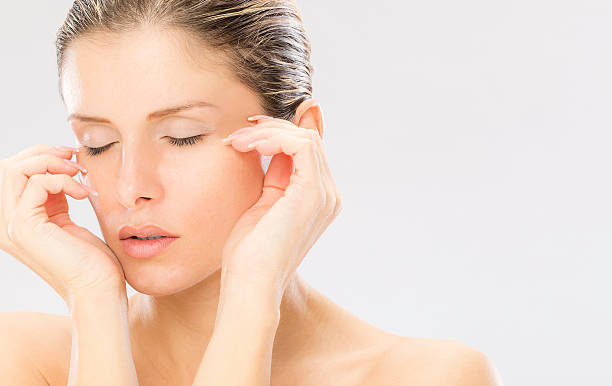
1. Overnight Fluid Build-Up
One of the most common reasons for puffy eyes is simply how fluid moves while you sleep.
Lying flat for several hours allows fluid to collect around the eye area. Many people notice their eyes appear puffier first thing in the morning before gradually improving as they spend more time upright.
This temporary swelling is usually harmless and often becomes less noticeable after moving around for a while.
2. Too Much Salt in Your Diet
Salty foods encourage the body to retain more water, which may contribute to puffiness in different areas—including beneath the eyes.
Restaurant meals, processed snacks, takeaway foods, and packaged meals often contain surprisingly high amounts of sodium. If under-eye puffiness seems worse after these meals, your diet could be playing a role.
Balancing salt intake while staying well hydrated may help support a healthier-looking appearance.
3. Allergies and Irritation
Seasonal allergies don’t just affect your nose—they often affect your eyes too.
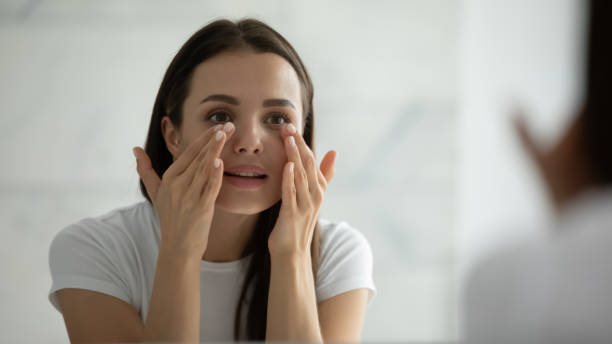
When allergies trigger inflammation, rubbing itchy eyes can make puffiness even more noticeable. Everyday irritants such as dust, pollen, pet dander, or certain cosmetics may also contribute to swelling around the eye area.
If puffiness regularly appears alongside itching or watery eyes, irritation may be worth considering.
4. Natural Skin Changes with Age
As collagen and elastin naturally decline over time, skin gradually loses some of its firmness and elasticity.
These normal changes may allow the tissues beneath the eyes to become more visible, creating the appearance of fullness or bags that weren’t present years earlier.
Although aging cannot be stopped, consistent skincare and healthy lifestyle habits may help support smoother-looking skin.

5. Lack of Quality Sleep
It’s not always the number of hours you sleep that matters—it can also be the quality of that sleep.
Interrupted sleep, inconsistent schedules, or poor sleep habits may contribute to a tired-looking eye area. While sleep alone isn’t responsible for every case of puffiness, it remains an important part of overall skin health.
Creating a regular bedtime routine can benefit both your well-being and your appearance.

6. Daily Lifestyle Habits
Several small habits can gradually influence how the under-eye area looks.
These include:
- Spending long hours staring at screens.
- Not drinking enough water.
- Smoking.
- Excessive alcohol consumption.
- Chronic stress.
Individually, these factors may seem minor, but together they can contribute to skin that appears less refreshed over time.

Supporting a Fresher-Looking Eye Area
Because under-eye puffiness often has multiple contributing factors, there isn’t a single solution that works for everyone. Instead, taking a well-rounded approach usually makes the most sense.
Simple habits such as getting consistent sleep, staying hydrated, managing allergies where appropriate, reducing excessive salt intake, and protecting your skin from daily environmental stressors can all support healthier-looking skin over time.
Alongside these habits, many people choose to include targeted skincare products in their routine to care for the delicate eye area. Products designed for mature-looking skin may help improve the overall appearance of tired-looking eyes as part of a consistent skincare routine.
For readers who are looking to explore additional skincare options, Kollagen Intensiv is one product that focuses on the visible appearance of aging skin. Rather than serving as a quick fix, it can be considered as part of a broader routine that includes healthy daily habits and regular skincare. Learning more about how the product is intended to fit into an overall skincare regimen can help you decide whether it aligns with your personal goals.

Conclusion
Puffy under-eyes are often influenced by more than one factor. From natural aging and overnight fluid retention to diet, allergies, lifestyle habits, and sleep quality, several everyday influences may affect how refreshed your eyes appear.
The encouraging news is that understanding these possible contributors allows you to make informed choices that support healthier-looking skin over time. Small improvements in daily habits, combined with a consistent skincare routine, may help the eye area appear smoother and more rested.
If you’re interested in exploring skincare specifically designed for the visible signs of aging around the eyes, learning more about Kollagen Intensiv could be a worthwhile next step as part of your overall beauty routine.
⭐⭐⭐⭐⭐Kollagen Intensiv™ 74 reviews