Before searching for another eye cream, it may be worth asking whether you’re treating the symptom or overlooking what could be making dark circles appear more noticeable in the first place.

Dark circles are one of the most searched beauty concerns, yet they’re also one of the most misunderstood. Many women assume that tired-looking eyes are simply the result of poor sleep or getting older. While those factors certainly play a role, they’re rarely the whole story.
The skin around your eyes is incredibly delicate, making it one of the first places to show visible changes over time. Lifestyle habits, genetics, daily routines, and even the condition of your skin can all influence how prominent dark circles appear.
That’s why the most important question isn’t, “What’s the best product?” Instead, it’s this:
What’s actually contributing to the appearance of my dark circles?
Once you understand the answer, you’re in a much better position to choose habits—and skincare—that genuinely support healthier-looking skin.
Why Dark Circles Don’t Always Have Just One Cause
It’s tempting to look for a single explanation, but dark circles often develop from several overlapping factors rather than one obvious issue.
For some women, genetics mean the under-eye area naturally appears darker. Others notice changes as collagen levels gradually decline with age, making the skin thinner and allowing underlying blood vessels to become more visible.
Daily lifestyle habits can also influence how rested your eyes appear. Long hours in front of screens, inconsistent sleep, dehydration, and environmental stressors may all contribute to an eye area that looks less refreshed.
Understanding these influences helps explain why what works for one person may not produce the same results for someone else.

The First Question: Is It Actually Pigmentation, Shadows, or Skin Changes?
Not every dark circle is created by the same thing.
Pigmentation
Some women naturally have more pigment beneath the eyes, particularly if it runs in the family. Sun exposure over time may also make existing pigmentation appear more noticeable.
Shadows
Loss of skin firmness and natural facial volume can create subtle shadows beneath the eyes. These shadows may look like dark circles even when skin tone hasn’t changed significantly.
Visible Blood Vessels
Because under-eye skin is extremely thin, tiny blood vessels beneath the surface may become easier to see. This often creates a bluish or purple appearance rather than true pigmentation.
Recognising which of these seems most relevant to you can help guide more realistic expectations and smarter skincare choices.

Everyday Habits That Can Make Dark Circles Look More Noticeable
Even when genetics are involved, daily habits can influence how prominent the eye area appears.
Sleep Quality
It’s not simply about the number of hours you sleep. Interrupted or poor-quality sleep may leave the eye area looking less refreshed the following day.
Hydration
Well-hydrated skin generally appears smoother and healthier. When skin becomes dehydrated, fine lines and shadowing can become more noticeable.
Sun Protection
The skin around the eyes receives daily UV exposure, which contributes to visible signs of ageing over time. Wearing sunglasses and applying appropriate sun protection around the eye area can help support healthier-looking skin.

Gentle Skincare
Rubbing the eyes aggressively when removing makeup or cleansing can place unnecessary stress on delicate skin. Gentle handling helps support the appearance of this fragile area.
Why Quick Fixes Often Lead to Disappointment
Many beauty products promise dramatic improvements in a short period of time.
The reality is that visible skin changes usually happen gradually. Healthy-looking skin is typically supported by consistent daily habits rather than overnight solutions.
If dark circles are influenced by genetics or natural structural changes beneath the skin, expecting a single cream to completely erase them can lead to unrealistic expectations.
Instead, many women achieve greater satisfaction by focusing on improving the overall appearance of the skin rather than searching for a miracle cure.
Patience, consistency, and realistic goals often produce a more positive skincare experience.

Building a Routine That Supports Brighter-Looking Eyes
Rather than chasing every new beauty trend, it can be helpful to focus on simple habits that support the appearance of the eye area over time.
That might include:
- Maintaining a consistent skincare routine.
- Prioritising good-quality sleep whenever possible.
- Staying hydrated throughout the day.
- Protecting delicate skin from excessive sun exposure.
- Choosing skincare designed specifically for the eye area.
For women who are concerned about visible signs of skin ageing around the eyes, including fine lines, loss of firmness, or a tired-looking appearance, it may also be worthwhile exploring products formulated to support the look and feel of mature skin.
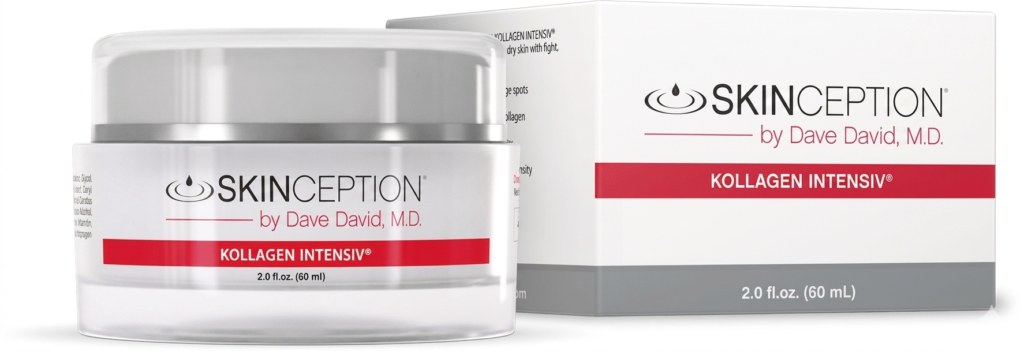
One option some people choose to learn more about is Kollagen Intensiv. Rather than expecting instant transformation, many skincare enthusiasts prefer taking the time to understand how a product fits into an overall routine and whether its approach aligns with their personal skincare goals. Looking beyond marketing claims and considering how a product complements consistent daily care can help you make a more informed decision.

Final Thoughts
Dark circles aren’t always telling the same story from one person to the next. Sometimes they’re influenced by pigmentation, sometimes by shadows, and often by a combination of everyday habits and natural skin changes that occur over time.
Asking the right question first—“What’s really contributing to the appearance of my dark circles? “—can help you move beyond trial and error and make more thoughtful skincare decisions.
If you’re exploring ways to support healthier-looking, more refreshed skin around the eyes, learning more about products such as Kollagen Intensiv may be a logical next step. Understanding how it fits within a consistent skincare routine can help you decide whether it’s worth considering as part of your long-term approach to caring for the delicate eye area.
⭐⭐⭐⭐⭐Kollagen Intensiv™ 74 reviews