The shadows under your eyes aren’t always caused by lack of sleep. As skin changes over time, several everyday factors can make dark circles appear more visible than they once did.

The first time many people notice dark circles becoming more obvious, they often blame a few late nights or a stressful week. But if the shadows seem to linger no matter how much rest you get, there’s often more going on beneath the surface.
The delicate skin around the eyes naturally changes as we get older. These gradual changes can affect how light reflects from the skin, how blood vessels show through, and how supported the under-eye area appears. Combined with lifestyle habits and environmental factors, it’s easy to see why dark circles may become more noticeable over time.
Understanding what’s contributing to this change is the first step towards choosing a skincare routine that supports healthier-looking, brighter under-eye skin.
1. Skin Naturally Becomes Thinner
The skin beneath the eyes is already among the thinnest on the body. As we age, it gradually loses some of its thickness, making the tiny blood vessels underneath more visible. This increased transparency can create the appearance of darker shadows, even when nothing else has changed.
2. Collagen Levels Gradually Decline
Collagen helps provide structure and firmness throughout the skin. Over time, natural collagen production slows, leaving the under-eye area looking less smooth and resilient.
With less support beneath the surface, shadows may become more pronounced, especially in certain lighting.
3. Volume Loss Changes Facial Contours
Ageing doesn’t only affect the skin—it also changes the fat pads that support the face.
As natural volume decreases around the eyes and cheeks, small hollows may develop beneath the lower eyelids. These hollows create shadows that can easily be mistaken for darker pigmentation.

4. Sun Exposure Can Increase Pigmentation
Years of sun exposure may encourage uneven pigmentation around the eyes. Even if you’ve always been careful outdoors, cumulative UV exposure can gradually contribute to skin that appears darker or less even in tone.
Daily sun protection remains one of the simplest habits for helping maintain a more even-looking complexion.
5. Blood Vessels Become Easier to See
Because under-eye skin becomes thinner with age, the network of tiny blood vessels beneath it often becomes more visible.
Depending on your natural skin tone, these vessels may create bluish, purple, or darker-looking circles.

6. Dry Skin Reflects Less Light
Hydrated skin reflects light more evenly than dry skin.
As skin becomes drier with age, the eye area may lose some of its natural radiance. This reduced reflectivity can make existing shadows appear deeper and more noticeable than they really are.
7. Changes in Sleep Quality Can Add to the Effect
Many adults experience lighter or more interrupted sleep as they get older.
Poor sleep doesn’t directly create permanent dark circles, but it can make the under-eye area look puffier, duller, or more fatigued, increasing the visibility of existing shadows.

8. Everyday Eye Rubbing Can Take a Toll
Allergies, dry eyes, or simply rubbing tired eyes can place repeated stress on this delicate area.
Over time, frequent friction may contribute to irritation or uneven-looking skin, making dark circles appear more noticeable.
9. Genetics Still Matter
Some people naturally have more noticeable dark circles regardless of age.
If darker under-eyes run in your family, ageing skin may simply make an inherited feature more visible rather than creating an entirely new concern.

10. Lighting Can Reveal More Than You Realise
Many people notice their dark circles most in bright bathrooms, office lighting, or daylight.
As facial contours change over time, overhead lighting can cast stronger shadows beneath the eyes, making circles seem much darker than they appear in softer lighting.
Supporting a Brighter-Looking Eye Area
Although ageing is a natural process, there are several habits that may help the under-eye area maintain a healthier appearance.
Consistent sun protection, gentle cleansing, regular moisturising, staying hydrated, and avoiding unnecessary rubbing can all support the delicate skin around the eyes. Prioritising quality sleep and maintaining an overall healthy lifestyle may also contribute to skin that looks more refreshed.
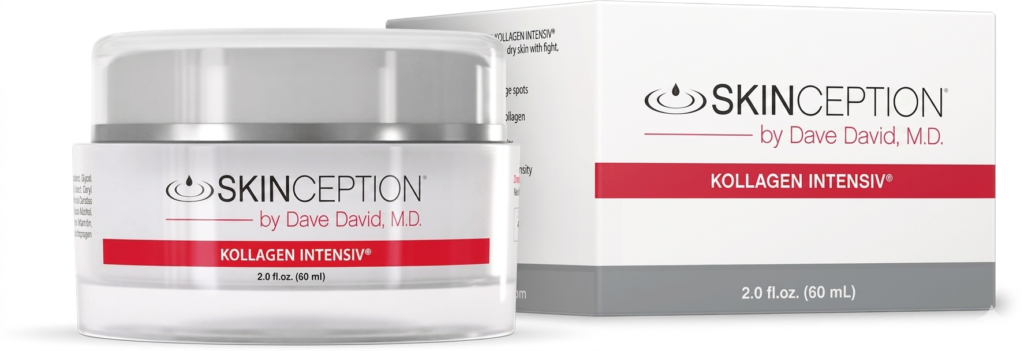
For those looking to expand their skincare routine, products specifically formulated for the eye area can also be worth exploring. One option many people choose to learn more about is Kollagen Intensiv, a skincare product designed for mature-looking skin and the delicate eye area.
Rather than expecting any single product to completely reverse the natural ageing process, it’s often more realistic to look for products that complement consistent skincare habits and help improve the overall appearance of tired-looking skin. Taking time to understand how a product fits into your routine can help you decide whether it’s suitable for your individual skincare goals.
Final Thoughts
Dark circles rarely have a single cause, especially as we get older. Thinner skin, collagen loss, facial volume changes, dryness, sun exposure, genetics, and everyday habits can all contribute to making the under-eye area appear darker than it once did.
The encouraging news is that understanding these factors allows you to make more informed skincare choices. Small, consistent habits often have a greater impact than quick fixes.
If you’re interested in learning more about skincare options that may complement a healthy routine for mature-looking skin, exploring Kollagen Intensiv could be a helpful next step. Understanding how it fits into your overall approach may help you decide whether it’s an option worth considering for your own skincare goals.
⭐⭐⭐⭐⭐Kollagen Intensiv™ 74 reviews